






 Portuguese
  Spanish


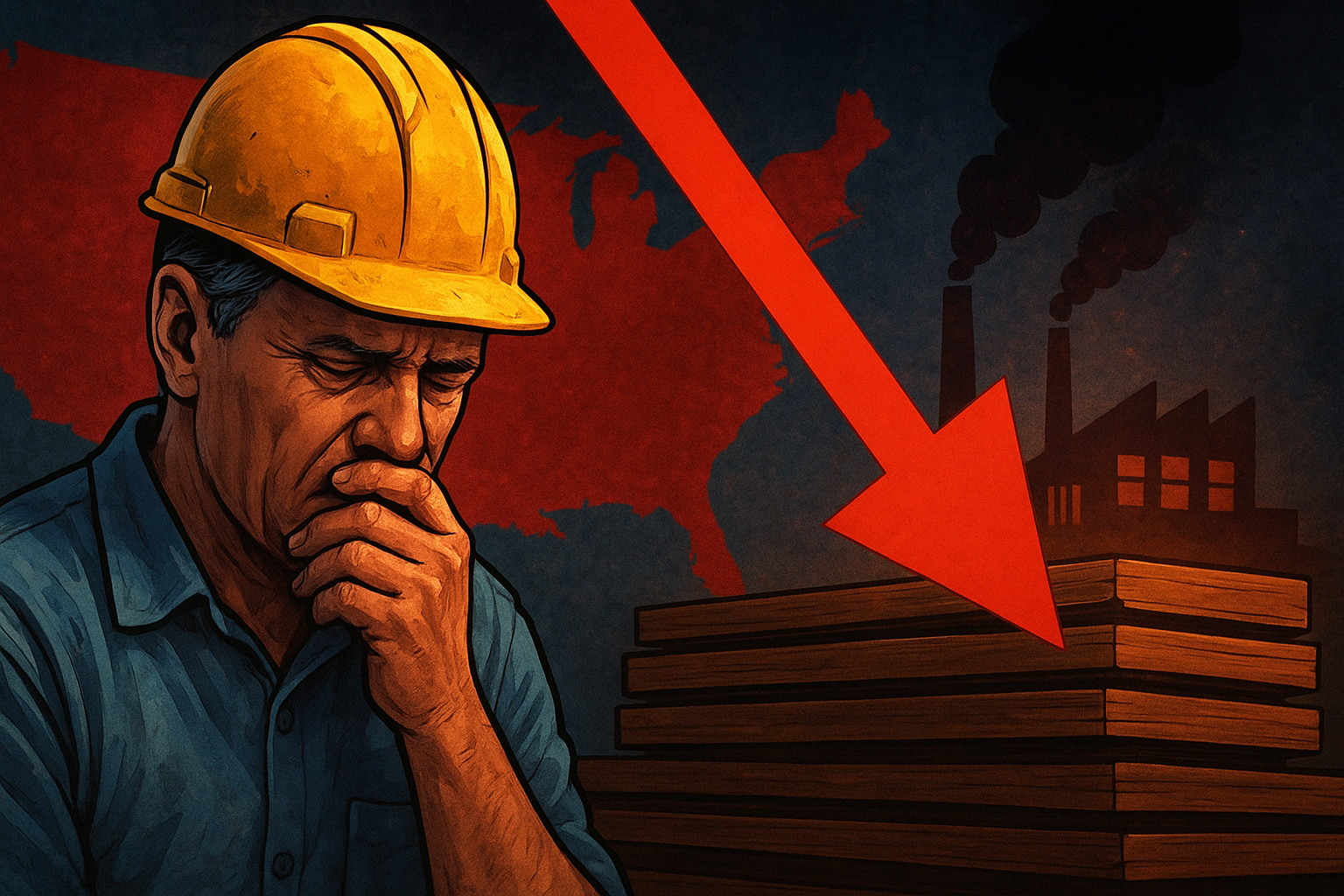


Brazil Pays The Price Of Trump’s Tariff: Crisis In The Timber Sector, Factories Idled And Workers Laid Off En Masse.
Tariff Already Causes Damage In Brazil
The 50% tariff imposed by Donald Trump on Brazilian products completed just over a month and has already plunged the Economy Into Crisis. The most affected sector is the timber sector, which has seen exports plummet and thousands of workers lose their jobs.
According to the Brazilian Association of Mechanically Processed Wood Industry (Abimci), in just 37 days there have already been 4,000 layoffs, 5,500 employees have been placed on collective vacations, and 1,100 have had their contracts suspended.
-
Brazil’s 2026 Tax Refund: Record 9.58 Million Filers in Largest Payout Ever, But a Key Detail on Priority Recipients Draws Nationwide Attention

-
Itaú Alters Hybrid Work Model, Increasing Office Days from 2028, Prompting Employees to Adjust to New Routine
-
Facing Labor Shortage, Japan Plans to Invest $34 Million to Attract Foreign Workers in Construction, Healthcare, Industry, and Commerce

-
Brazilian City Makes Remarkable Leap, Becomes 4th Wealthiest in the Country with GDP of R$ 134.1 Billion




The impact is immediate because the United States is the largest destination for Brazilian manufactured wood. With no outlet, manufacturers of frames, floors, and doors are already feeling the brutal drop in demand.
Exports Plummet With The Tariff
The numbers confirm the damage. In August, processed wood exports fell between 35% and 50% compared to July. Brazil’s economy suffers because the U.S. accounts for half of the sector’s purchases and, in some segments, absorbs up to 100% of national production.
Last year, Americans imported US$ 1.6 billion in manufactured wood from Brazil. Now, contracts are being canceled and new agreements are simply not materializing.
Timber Sector Calls For Government Action
The superintendent of Abimci, Paulo Pupo, states that representatives of the entity have gone to Brasília several times in search of solutions. In meetings with the Minister of Industry and Commerce, Geraldo Alckmin, they heard goodwill, but no practical measures.
Pupo warns: “It is the federal government’s responsibility to advance (in negotiations) to stop the large number of layoffs we are experiencing.”
The pressure intensifies because the small municipalities in the South of the country, especially in Paraná and Santa Catarina, directly depend on the wood industry. With each week without an agreement, more jobs are at risk.
Serious Consequences For The Brazilian Economy
The tariff threatens not only the timber sector but also the associated production chain. Transport companies, sawmills, and carpentry shops are already facing a drop in orders. If the surcharge continues, Abimci predicts an additional 4,500 layoffs in the next 60 days.
Furthermore, there is a risk of a contraction in investments. Companies in the sector have delayed expansion plans and even maintenance of machinery. This reduces Brazil’s competitiveness in the international market.
Donald Trump Targets Brazil And Increases Trade Pressure
Trump’s decision was justified by the U.S. government as protection for the local industry. But, in practice, it directly affects a strategic partner in bilateral trade.
Brazil, dependent on exports to the U.S., is now seeking alternatives, but there are no equivalent markets that can quickly absorb this production.
Meanwhile, workers are living in uncertain times. In communities where wood is the primary source of income, the crisis translates into indebted families and stagnant local commerce.
Uncertain Future For The Timber Sector
If nothing changes, the tariff could trigger a domino effect on the economy. The pressure is already visible in unemployment figures and the decline in municipal revenue.
The challenge for the federal government will be to negotiate quickly with the U.S. to avoid an even greater social and economic tragedy.
The sector calls for urgency. After all, each day without a solution increases the impact on factories, ports, and, especially, the lives of thousands of Brazilian workers.








