Portuguese
  Spanish


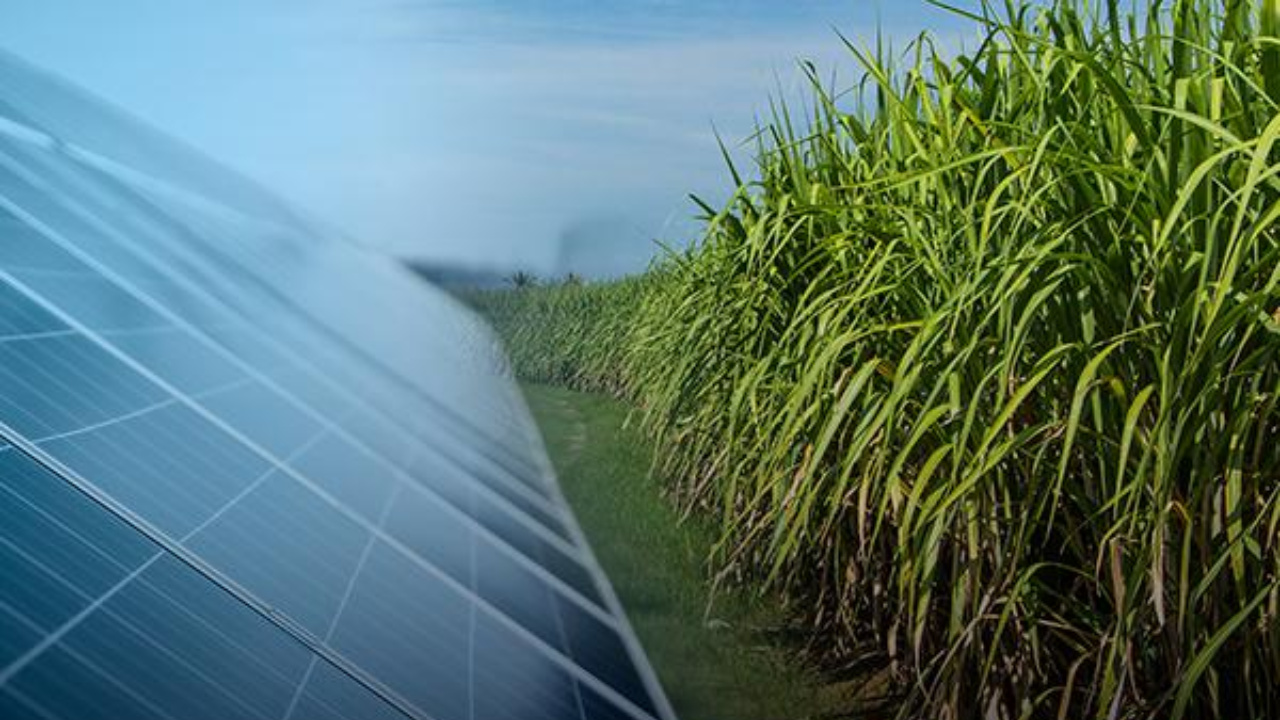

Technology Developed at UFPB Uses Sugarcane Bagasse Ash in Solar Energy Applications, Obtains INPI Patent, and Opens Space for New Renewable Energy Businesses in Brazil.
The advancement of solar energy in Brazil increasingly relies on scientific innovation and the intelligent use of resources available in the country. In this context, researchers at Federal University of Paraíba (UFPB) developed a technology capable of transforming sugarcane bagasse ash into a high-value material for applications in the renewable energy sector.
The initiative represents a significant step towards integrating environmental sustainability, academic research, and economic development.
The study was conducted at the Center for Alternative and Renewable Energies (Cear) of UFPB and resulted in a patent granted by the National Institute of Industrial Property (INPI). Thus, the technology now has the potential not only to be scientific but also commercial, creating opportunities for new businesses linked to the solar energy chain.
-
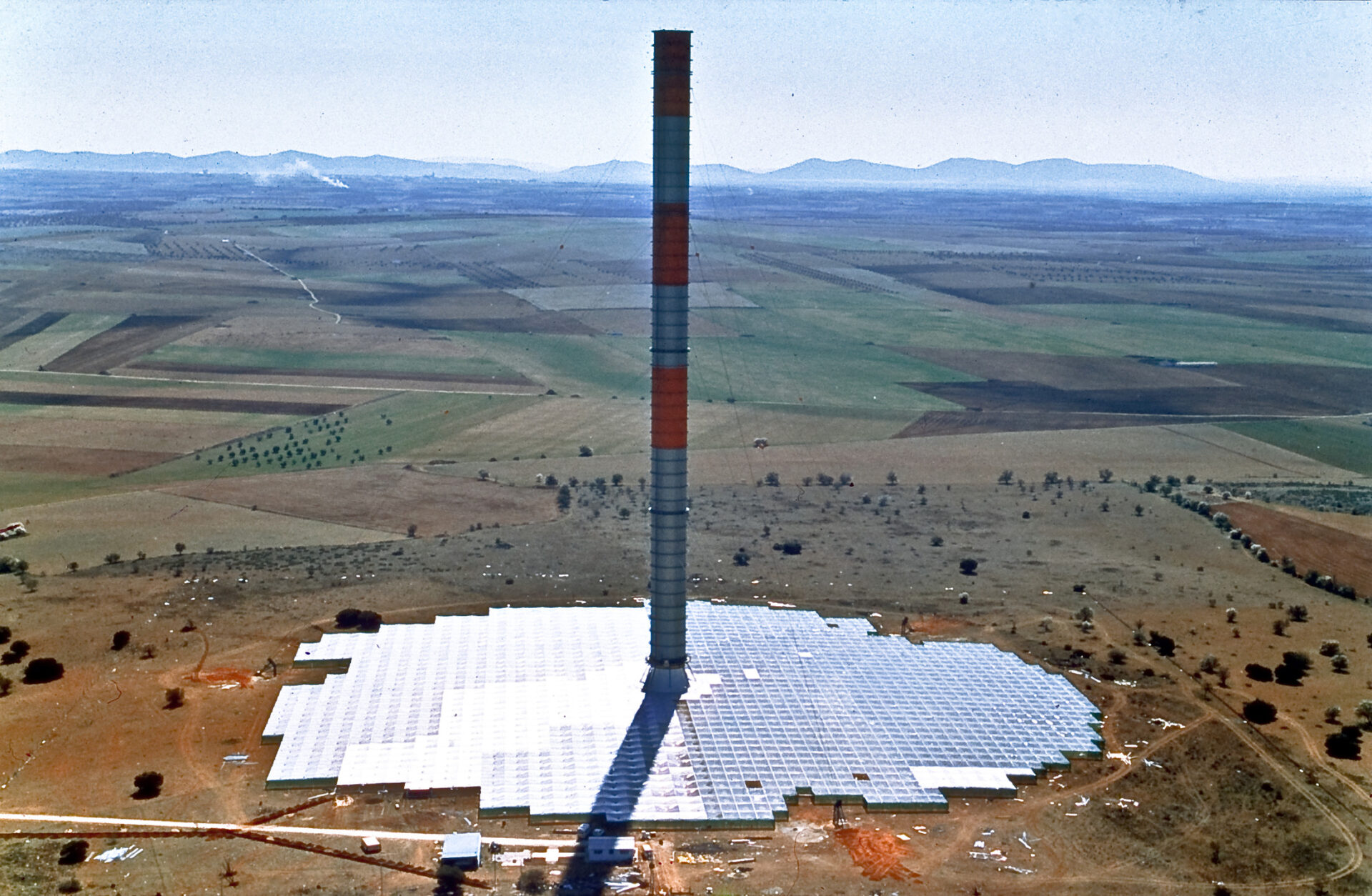
Solar Chimney in Spain Harnessed Sun to Generate Electricity for 7 Years Without Burning Fuel

-
Solar energy reaches 55 GW, becoming the second largest power source in Brazil’s energy mix

-
Solar energy can increase property value by up to 10% and become a selling point.
-
Solar and wind energy surpass natural gas for the first time in the world and accelerate energy revolution



UFPB Research Unites Innovation, Sustainability, and Energy Transition
The project’s coordination was led by Professor Kelly Gomes from Cear/UFPB, in partnership with doctoral student in Mechanical Engineering Ithyara Dheylle Machado. The group also included the participation of Renewable Energy Engineering students Gabriela Oliveira Galvão, João Victor Furtado, and Saraswati Visnu Andrade, in addition to Professor José Félix, who is part of the same research center.
From the beginning, the goal was to seek technological solutions capable of efficiently reusing agro-industrial waste. Sugarcane bagasse, widely used as an energy source in mills, generates large volumes of ash after burning. Traditionally, this material has limited use, which increases environmental and logistical challenges.
Waste Volume Reinforces the Importance of the Solution for Solar Energy
Data from the Industrial Solid Waste Inventory of Paraíba, prepared by Sudema, indicate that sugarcane bagasse is the largest agro-industrial solid waste in the state. The estimated generation reaches 1.3 million tons. In light of this scenario, the use of ash arises as a strategic alternative to reduce environmental impacts and expand the circularity of resources.
By transforming this waste into raw material for applications in solar energy, the technology developed at UFPB contributes to a more sustainable model of energy production. Additionally, it strengthens the connection between the sugar-energy sector and the renewable energy market.
Technical Process Increases Solar Absorption Efficiency
The method created by the researchers involves processing the ash through specific adjustments in grinding parameters. This control results in obtaining particles with characteristics suitable for increasing the efficiency of solar radiation absorption. The material can be employed in selective solar technologies responsible for converting radiation into thermal energy.


This application broadens the range of solutions available for thermal solar systems, which play a significant role in the clean energy matrix. Thus, the innovation not only reuses waste but also contributes to the technical performance of existing solar technologies.
INPI Patent Strengthens the Renewable Energy Market
The granting of the patent by INPI represents an important milestone for the project. With intellectual protection, the technology now has the potential to be transferred to the productive sector, stimulating partnerships with companies and investors interested in sustainable solutions.
“The work demonstrates the potential to combine sustainability and science, transforming a waste from the agro-industry into a technological input for the renewable energy sector,” explains Professor Kelly Gomes.
According to the researcher, in addition to the positive environmental impact, the innovation can generate economic and social benefits. At the same time, it helps to consolidate Brazil as an international reference in solar energy, energy transition, and the development of sustainable markets linked to green technologies.