Portuguese
  Spanish


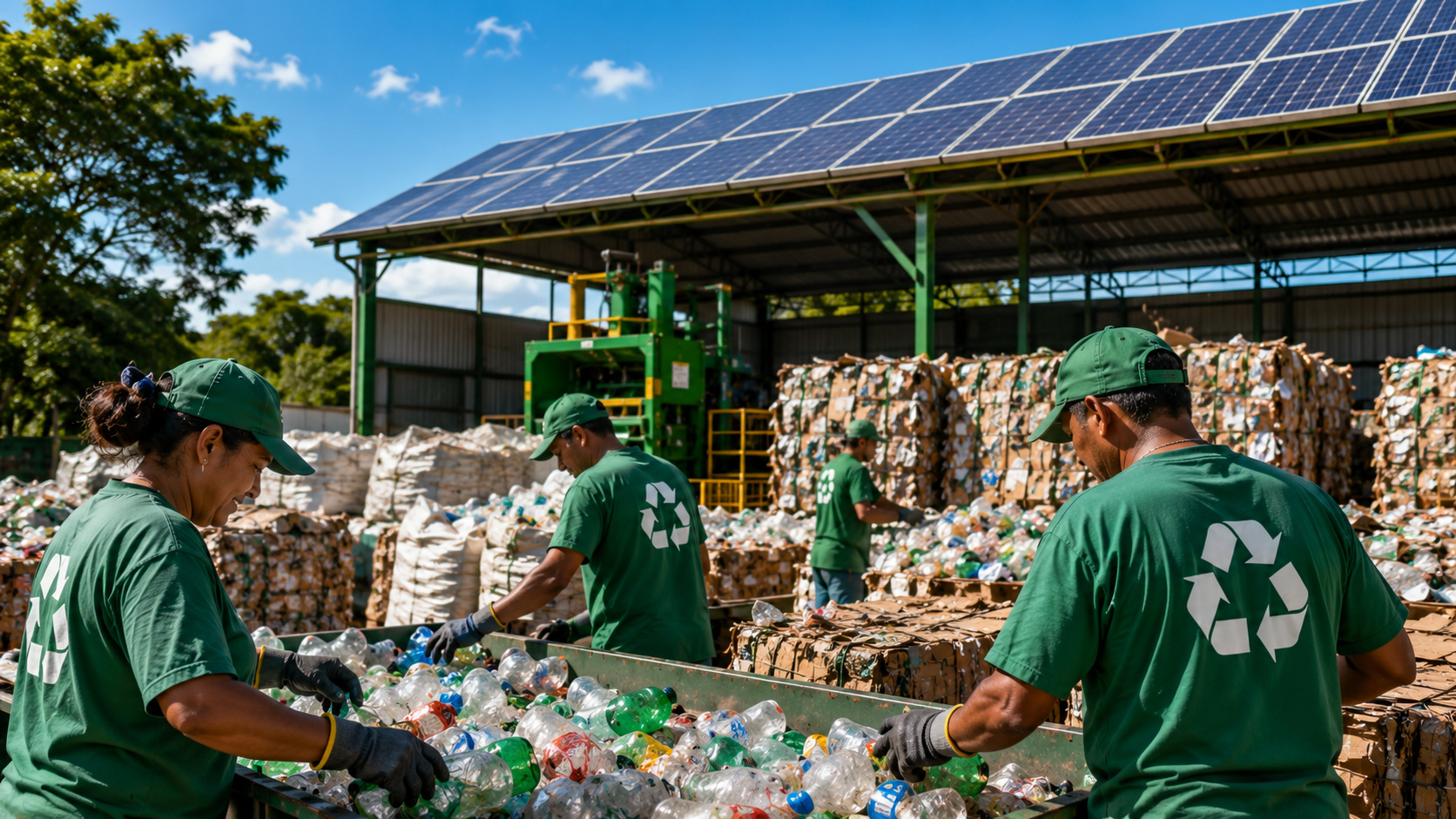

The City Hall of Montes Claros decided to install solar energy in recycling cooperatives to reduce costs, increase income for waste pickers, and encourage sustainability.
The City Hall of Montes Claros has initiated a bidding process to acquire and install 2 photovoltaic solar energy kits for the city’s recycling associations. The proposal aims to reduce operational expenses of the warehouses used by the waste pickers, increase the income of the families involved, and strengthen sustainability actions in the Minas Gerais municipality.
According to a G1 article on May 18, 2026, the equipment will be installed in two warehouses located in the Vera Cruz neighborhood and the Industrial District. According to the municipal administration, the expectation is to achieve up to 95% savings on electricity bills. The project will be conducted by the Directorate of Popular Housing and Citizenship, linked to the Municipal Department of Social Development.
The initiative is expected to benefit residents of the Vitória I, Vitória II, Rio do Cedro, Monte Sião I, Monte Sião II, Minas Gerais, Monte Sião IV, and Recanto das Águas residential areas, all linked to the Minha Casa, Minha Vida program.
-
World’s Largest Engie Solar Plant in Brazil Highlights Billion-Dollar Energy Waste Issue: Company Considers Batteries and Bitcoin Mining to Avoid Wasting Production

-
Over 60 Tractors Take to the Streets in Lopera as Solar Parks Compete with Olive Groves, Affecting 13,000 to 100,000 Trees According to Conflicting Reports

-
Brazil’s Vitória Airport to Launch Solar Plant Covering Area of 10 Soccer Fields, Boosting Clean Energy and Cutting Costs
-
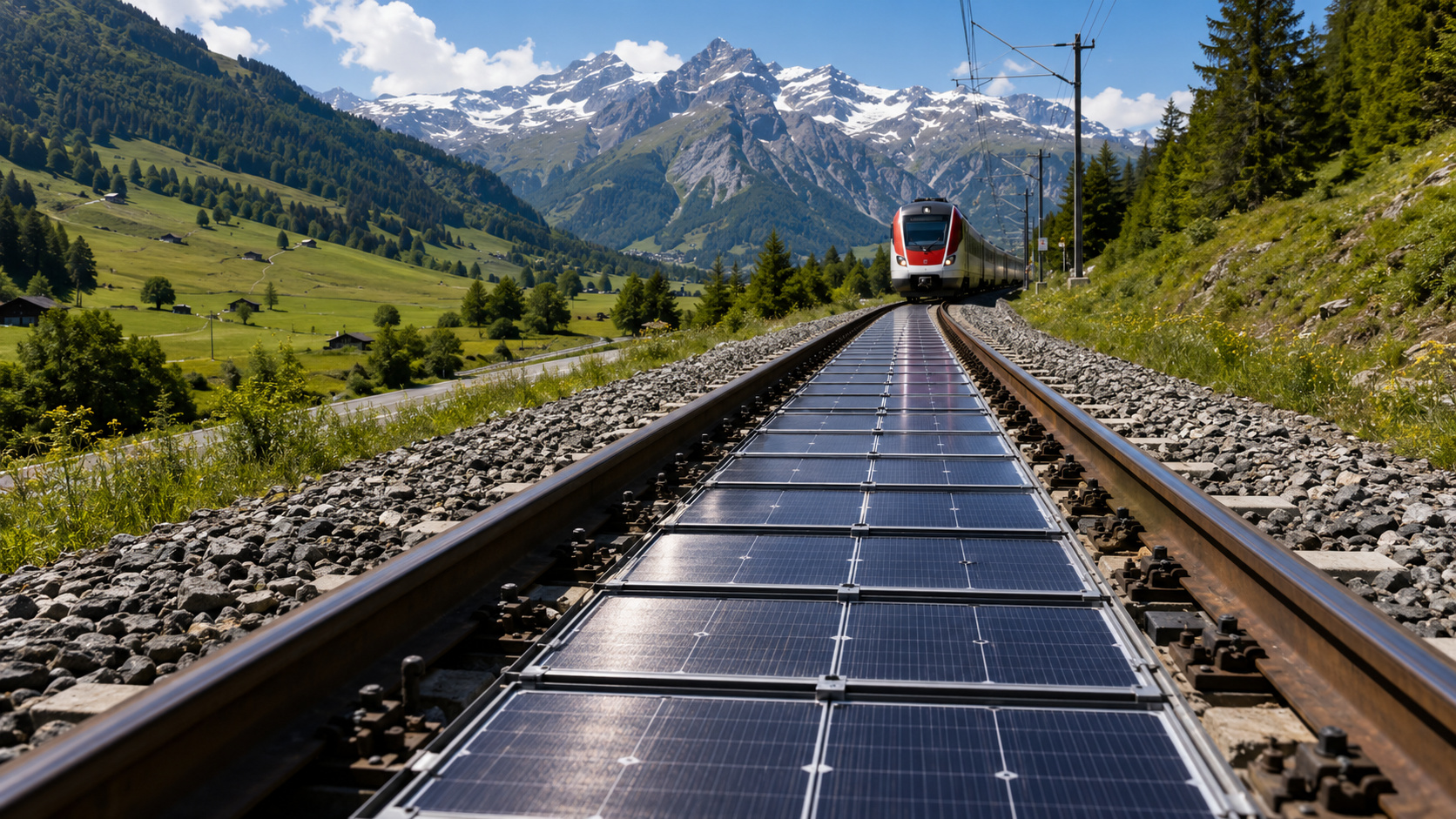
Switzerland Converts Train Tracks into Solar Power Plants with Removable Panels to Generate Energy Without Using Additional Land


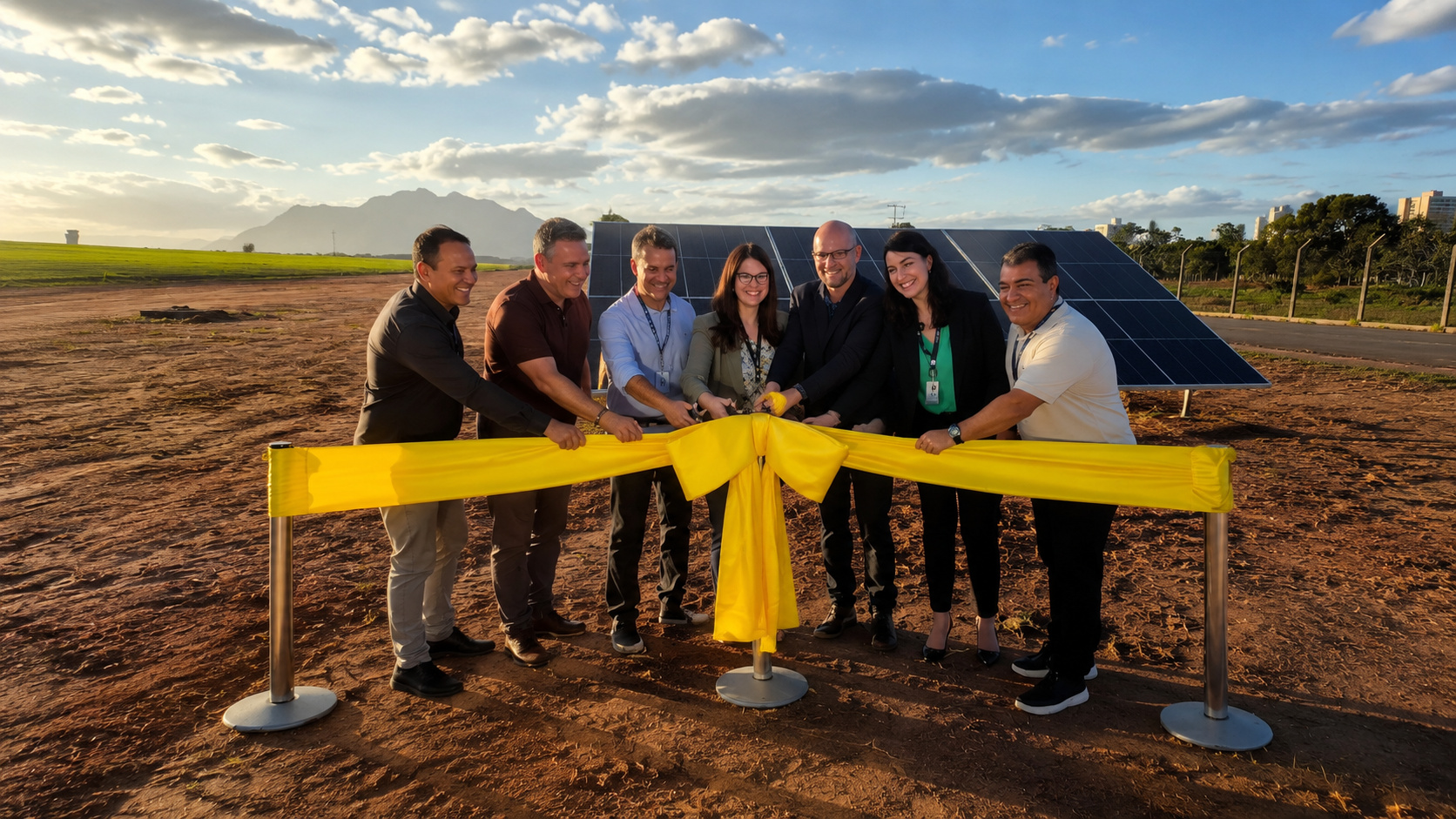
Solar energy reduces costs and strengthens recycling in Montes Claros
The installation of solar energy systems can transform the routine of the recycling associations served by the City Hall. The warehouses use equipment that requires high electricity consumption, especially during the process of sorting and pressing recyclable materials.
Among the equipment used by the waste pickers are:
- Hydraulic presses;
- Cargo elevators;
- Machines for making brooms with PET bottles;
- Waste sorting equipment.
With the reduction of operational expenses, more resources are available to improve working conditions and expand the capacity of the cooperatives.
In addition to financial savings, solar energy presents low maintenance costs and long lifespan. Photovoltaic systems can operate for more than 25 years, making this type of investment a sustainable and economically advantageous alternative.


City Hall bets on social inclusion to strengthen waste pickers
The project by the Municipality of Montes Claros involves not only energy sustainability. The proposal also has a strong social impact, especially for families that rely on recycling as their main source of income.
The Directorate of Popular Housing and Citizenship will be responsible for social work with the residents of the housing complexes served. The goal is to strengthen community ties and encourage greater financial autonomy for the waste pickers.
In practice, the savings generated by solar energy can directly reflect on the income of families involved in cooperatives. This happens because the fixed costs of associations tend to decrease significantly.
According to the Institute of Applied Economic Research (IPEA), thousands of Brazilian workers are active in the recycling sector, playing a fundamental role in the collection and reuse of solid waste.
Waste Pickers Gain More Efficiency with Support from the Municipality
The routine of waste pickers requires adequate structure to ensure productivity and safety. In many Brazilian cities, cooperatives face difficulties in keeping equipment running due to the high cost of electricity.
In this scenario, the initiative by the Municipality of Montes Claros emerges as an alternative capable of offering:
- Reduction in energy bills;
- Greater financial stability for cooperatives;
- Better utilization of recyclable waste;
- Encouragement of the green economy;
- Strengthening of collective work.
With lower costs, associations can invest in internal improvements and expand service capacity. Experts point out that projects related to solar energy help cooperatives become more financially sustainable, reducing dependence on emergency resources.
Solar Energy Advances in Brazil and Gains Space in Public Projects
In recent years, solar energy has established itself as one of Brazil’s main renewable sources. Data from the Brazilian Photovoltaic Solar Energy Association (ABSOLAR) show accelerated growth of distributed generation in different regions of the country.
The advancement occurs mainly due to factors such as:
- Reduction in installation costs;
- Savings on electricity bills;
- Environmental sustainability;
- Low maintenance requirements;
- Prolonged equipment lifespan.
Brazilian cities have been adopting photovoltaic solutions in schools, hospitals, public buildings, and social projects. In Montes Claros, the investment directed at waste pickers expands this movement of integration between sustainability and social inclusion.
Another important point is the reduction of environmental impacts. The generation of solar energy does not produce direct emissions of polluting gases, contributing to more sustainable practices in urban areas.
Recycling generates income and reduces environmental impacts
Recycling plays a strategic role in the economy and environmental preservation. Materials such as plastic, glass, paper, and metal return to the production chain, reducing the improper disposal of waste.
Waste pickers occupy a central position in this process. They are responsible for collecting, sorting, and directing recyclable materials for industrial reuse.
According to the National Movement of Recyclable Material Collectors (MNCR), a large portion of the recyclable waste recovered in Brazil passes through the hands of these workers.
Besides generating income, recycling contributes to:
- Reduction of waste volume in landfills;
- Less exploitation of natural resources;
- Energy savings in the industry;
- Reduction of urban pollution.
Therefore, initiatives by the City Hall aimed at strengthening cooperatives have an impact that goes beyond the economic aspect.
Montes Claros unites sustainability, economy, and social development
The initiative by the City Hall of Montes Claros demonstrates how public policies can unite social development and environmental sustainability in a practical way.
With the 2 solar energy kits planned in the project, the associations’ warehouses will be able to reduce expenses by up to 95%, according to an estimate released by the municipal administration. This scenario can increase the operational capacity of cooperatives and strengthen the work of waste pickers.
The project also reinforces the importance of recycling for the local economy and environmental preservation. By investing in clean energy, the municipality creates a sustainable alternative capable of generating continuous social benefits for hundreds of families.
The expectation is that similar actions will advance in other Brazilian cities, especially in projects aimed at productive inclusion, income generation, and modernization of recycling cooperatives.
With information from G1