Portuguese
  Spanish


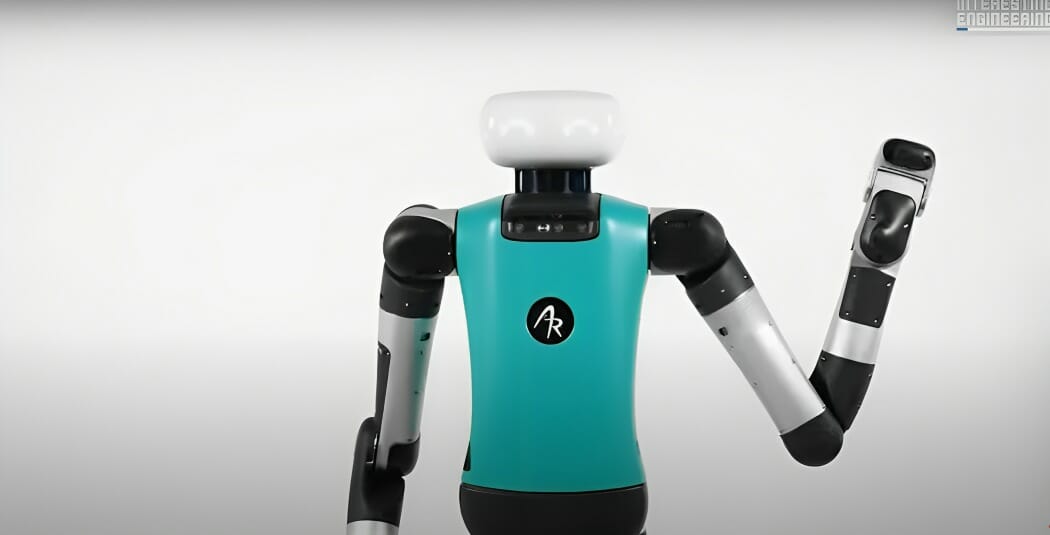

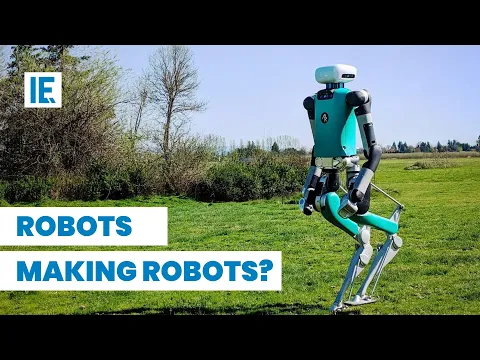
Following the wave of innovations in the field of robotics, Agility Robotics announced the opening of the world’s first factory focused on the production of humanoid robots. The news comes after the success of the Digit robot, famous for its similarity to humans in terms of movement and appearance.
The initiative goes beyond a simple robot assembly line. Agility Robotics’ plan is to use this specialized factory to accelerate production, making humanoid robots more accessible for applications across various industries. The factory will have cutting-edge machinery and advanced technologies to achieve unprecedented levels of precision.
Implications and Benefits
According to the company, the use of humanoid robots can significantly reduce human errors in various tasks. The factory aims to create new job opportunities in areas such as supervision, maintenance, and programming, countering the common belief that automation eliminates jobs.

Future Applications
Agility Robotics already anticipates that the robots produced in the factory will have applications beyond the factory floor. Sectors such as healthcare, logistics, and even disaster relief are on the horizon.
-
A Japanese governor single-handedly stalled the construction of the world’s fastest train for nine years, and only now has he agreed to allow a tunnel excavated at a depth of 1,400 meters.

-
Almost 1 billion euros, two gigafactories, and a million-dollar public investment, Chinese company aims to turn Spanish city into Europe’s new battery hub.

-
Advancement in the industry: Brazilian company creates ultralight material comparable to steel and paves the way for hydrogen cylinders up to 70% lighter, with a direct impact on logistics, the energy industry, and national competitiveness – learn about Forza Composites

-
In Brazil’s backyard: Tesla, by Elon Musk, announces official operations in Uruguay, where electric vehicles already make up 20% of new cars but still leaves out the largest market in the region.


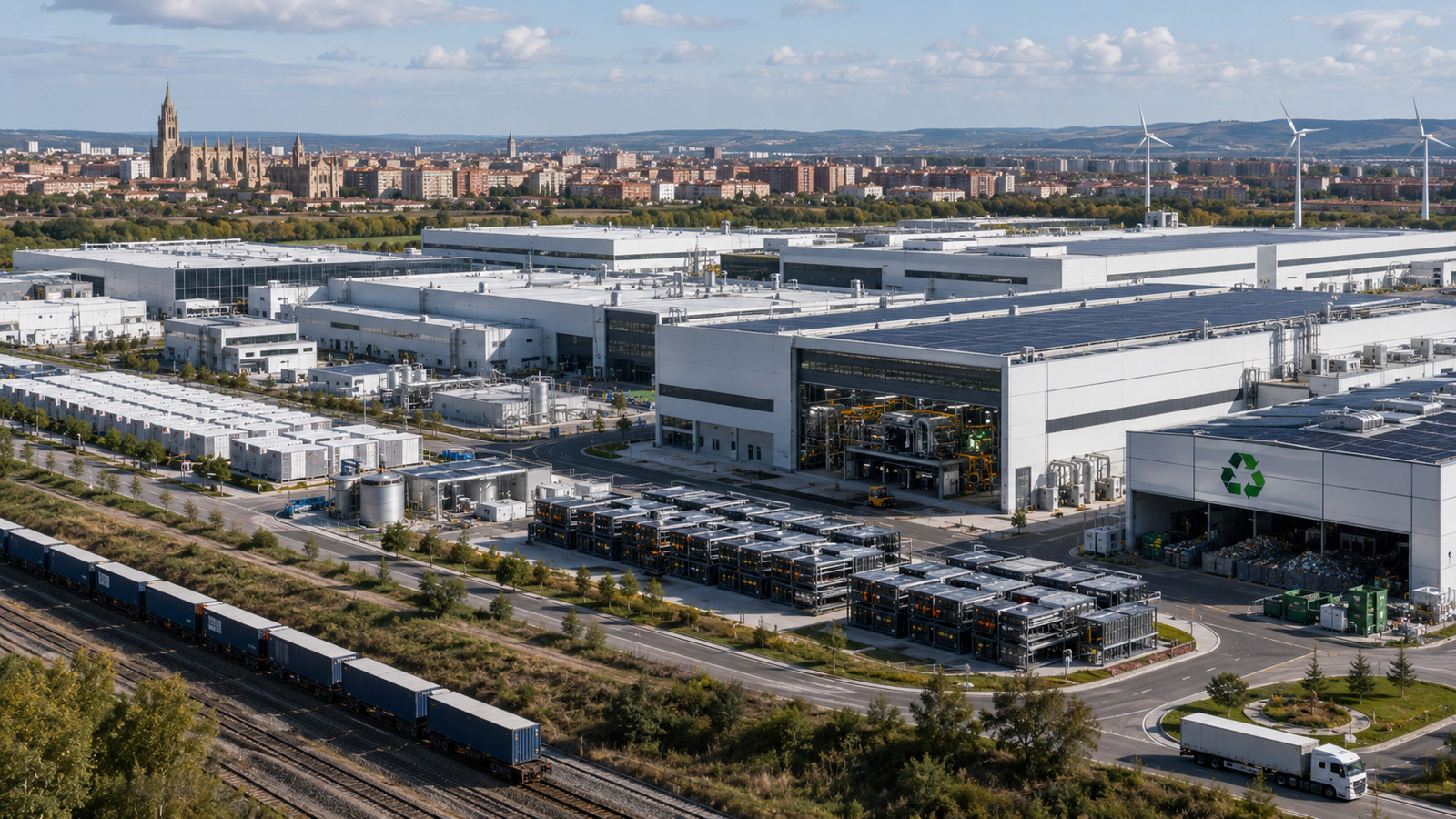


Humanoid robots can be used in surgeries, package delivery, and even rescue operations, significantly expanding the reach of current robotics.
Technological advancement also brings questions about ethics and safety. How these robots will be implemented without infringing on human rights or compromising safety is a question that the company and society will still need to address.