Portuguese
  Spanish


Measure announced by the Central Bank of Cuba takes effect this Saturday (6), after a foreign bank restricts operations with international cards in reaction to the US decree published on May 1, expanding the effects of sanctions on payments, revenues, and commercial activities on the island
According to G1, Cuba will suspend, starting this Saturday (6), transactions with Visa and Mastercard cards, following the tightening of United States sanctions against the country.
The Central Bank of Cuba announced the decision this Wednesday (3) and attributed the measure to restrictions imposed by a foreign bank responsible for processing the operations.
According to the Cuban monetary authority, this bank limited its activities after a US decree published on May 1. The text significantly expanded sanctions on trade with the island.
-
European Parliament Approves Digital Euro, Aiming to Challenge Visa and Mastercard’s Dominance and Transform Payments Across Europe by 2029

-
Israel finds Hezbollah militarized tunnel over 200 meters long under village, with 4 missile launch shafts, 12 chambers, anti-tank missiles, drones, and weapons depots at a depth of 25 meters.

-
Ukraine launches largest drone attack on Moscow since 2022, Russia claims to have intercepted nearly 200 aircraft near the capital, Kapotnya refinery targeted again, and offensive reignites alert about war reaching the Russian energy heart just a few kilometers from the Kremlin.

-
Truck drivers, freight, and fines from 2022 take center stage in politics: Chamber approves MP with amnesty, mandatory tracking by CIOT, million-dollar penalties, and new minimum wage for those who spend more than 24 hours on the road.



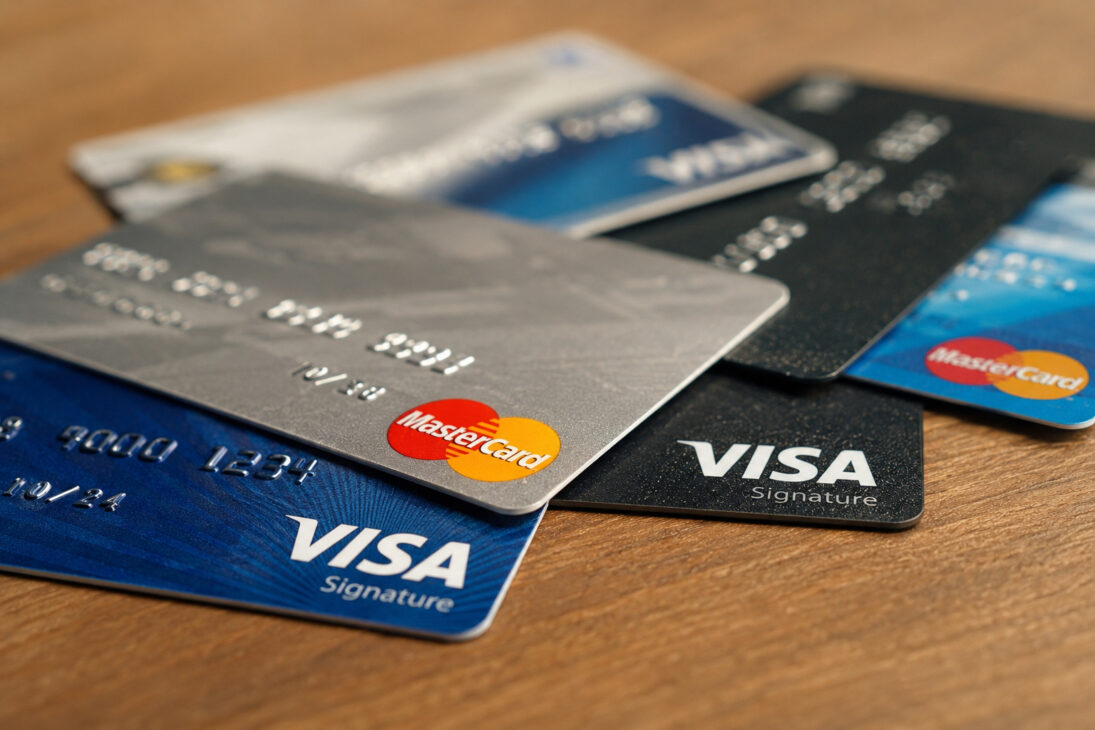
As a result, Cuba will no longer receive revenues from the sale of goods and services paid with internationally recognized cards. Among them are Visa and Mastercard, two of the main brands used in global financial operations.
Central Bank of Cuba cites direct impact on the country’s revenues
The Central Bank of Cuba states that the decision directly affects the country’s ability to process international payments through credit cards.
“As a result of this decision, Cuba will no longer be able to receive revenues from the sale of goods and services through internationally recognized cards, such as Visa and Mastercard,” declared the body.
The suspension thus creates a new obstacle for commercial activities that depend on payments with international cards. The measure also comes at a time of increased economic pressure on the country.
According to the bank, a foreign financial institution adopted the restriction following the American decree. The US sanctions thus began to have direct effects on payment processing on the island.
US Decree Published in May Expanded Trade Restrictions
The United States decree, published on May 1st, expanded sanctions related to trade with Cuba.
Foreign companies began to review their presence in the country since the publication of the measure. Investors also sought to reduce exposure to Cuban institutions sanctioned by the American government.

In recent weeks, the tightening of sanctions has led companies from different sectors to leave Cuba. Among them are hotel chains, airlines, and global shipping companies.
The suspension of transactions with Visa and Mastercard thus represents another practical consequence of this scenario of restrictions.
Foreign Companies Distance Themselves from Sanctioned Institutions
The advance of sanctions changed the behavior of international companies operating in Cuba.
According to the base text, hotel chains, airlines, and global shipping companies have left the country in recent weeks. Foreign investors also began to avoid ties with island institutions affected by American sanctions.
The impact, therefore, is not limited to the financial sector. The measure also reaches tourism, transportation, trade, and services linked to foreign presence in Cuba.
The most immediate point involves payments with international cards. Starting Saturday (6), Cuba will stop processing transactions made with Visa and Mastercard.
US Sanctions Pressure Financial Operations in Cuba
The suspension announced by the Cuban Central Bank places international financial operations at the center of the dispute between Cuba and the United States.
Although Cuba communicated the measure, the origin of the restriction is linked to the decision of the foreign bank that processed the transactions. This bank limited its activities following the American decree of May 1st.
Consumers, companies, and service providers who depend on international cards are now facing new limitations in the country.
Cuba also loses a source of income linked to the sale of goods and services paid through global brands. Given this scenario, to what extent does the