






 Portuguese
  Spanish
  3 min of reading
  9 comments


Chinese Giant Moves Card Market with Support from Brazilian Fintech Left and Challenges American Dominance
UnionPay, the largest card operator in the world, is preparing for its official entry into Brazil in 2025.
The arrival of the Chinese company, which holds about 40% of global card transactions, will be made possible through a partnership with the national fintech Left.
Left, which stands for Economic Freedom in Fintech, will handle the issuance of the cards.
-
The neighboring country of Brazil that reduced the working hours and increased the minimum wage by 23.7% had to hire 787,000 extra workers to cover the reduced hours, and even so, it records unemployment at a historic low.

-
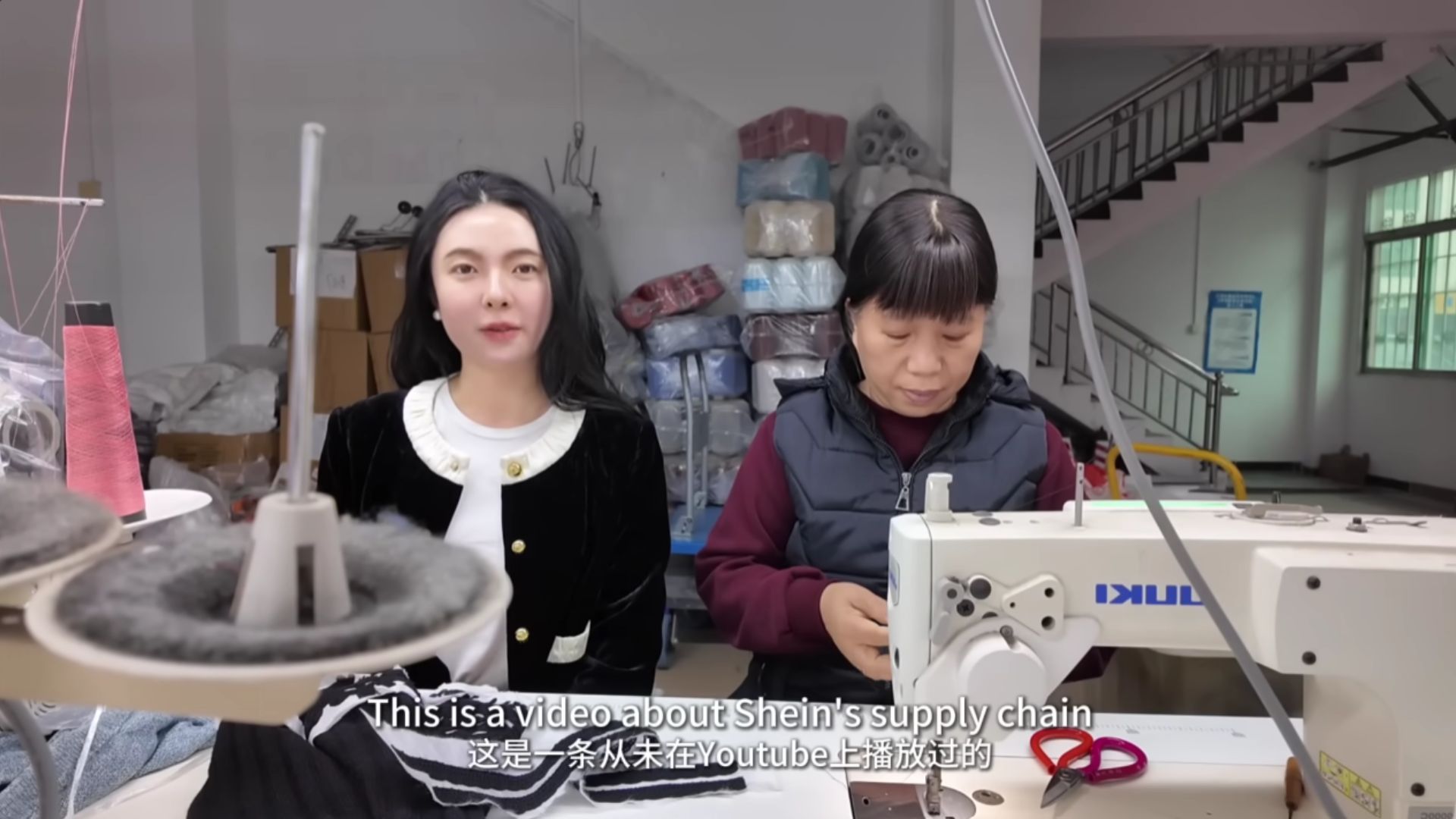
A resident of Guangzhou infiltrated the village where the 500 factories that make Shein’s clothes are located, disguised, and filmed everything: shifts from 8 am to 10 pm, factories operating at night, and owners who accept any conditions to avoid losing the contract.
-
Traffic jammed between BH and Nova Lima may get significant relief with the Viaduto Ferradura, a R$ 48 million project that promises to connect MG-30 and MGC-356 without passing through the Belvedere junction.

-
After Russia turned off the tap, Europe looks to Africa as a new energy salvation: two giant pipelines of up to 7,000 km may cross the Sahara and the Atlantic, costing $25 billion and transforming Nigerian gas into a geopolitical weapon.



It will also be responsible for adapting banking systems and card machines to the new service.
The forecast is that the credit function will be available by the end of this year, marking a new phase for the Brazilian financial sector.
Partnership Breaks U.S. Dominance
The moment is marked by trade tensions between Brazil and the United States, intensified during the Trump administration.
The entry of UnionPay represents a strategic geoeconomic movement for the country.
The main operators operating in Brazil, Visa and Mastercard, are American.
In the last quarter alone, Visa recorded revenue of nearly US$ 10 billion in Brazilian territory.
With the arrival of the Asian giant, Brazilian fintech Left will be responsible for structuring the entire operation.
Integration with banks, card machines, and systems will also be under its responsibility.


Innovative Proposal Redistributes Revenue to Social Movements
Unlike conventional banks, Left’s model prioritizes the redistribution of revenues to social causes.
Revenues are generated from transactions with Pix and cards.
Customers can choose which entity will benefit from part of the revenue.
Examples include popular movements like the MST and other social collectives.
This structure aims to build a progressive bank committed to social transformation.
For the advisor, this proposal was decisive for his participation.
The fintech represents a new paradigm for the Brazilian banking sector.
Chinese Technology Could Bypass Dollar Dependence
UnionPay is connected to the CIPS (Cross-Border Interbank Payment System).
This Chinese system serves as an alternative to SWIFT, the traditional network for international transfers.
As a result, transactions made with UnionPay could occur without the intermediation of the U.S. dollar.
This measure is seen as a step toward financial dedollarization.
According to Kobori, U.S. pressure on the local payment system targets Pix.
This mechanism has allowed for broad banking inclusion of the Brazilian population in recent years.
Visa, Mastercard, and American Express still make billions from these operations in Brazil.
They resist losing financial hegemony in the country.
UnionPay Expands Global Competition and Strengthens Brazilian Sovereignty
However, although U.S. tariffs seem to be hitting Brazil, in reality, they mainly affect American consumers.
Furthermore, the restrictions force the reorganization of global consumption chains, which could favor new trade partnerships.
As a result, the arrival of UnionPay strengthens Brazilian financial sovereignty while also expanding services to consumers.
Still, this entry increases competition in the card market, which stimulates innovation.
In turn, fintech Left combines technology, social impact and geopolitical repositioning.
Thus, the arrival of the company responds to both internal and external challenges.
Therefore, it represents a new way of banking: fairer and, above all, committed to the population.
In this way, UnionPay’s operation reinforces China’s role in the global financial sector.
Soon, Brazilians will have access to a card with inclusion, innovation and also economic independence.
Do you think that the arrival of UnionPay can truly transform the financial sector in Brazil?






Não vejo a hora da chegada da unionpay, vou cancelar meu América expless de mais de 40 anos
Sim! Minha expectativa é que isto aconteça! Precisamos de mais independência e concorrência no setor financeiro!
Vai ser um desastre para os conservadores e favorecer invasores de terra como MST, isso é um absurdo.
Imagine eu usar meu dinheiro para financia MST, invasores de terra que desrespeitam leis. Nunca!