Portuguese
  Spanish


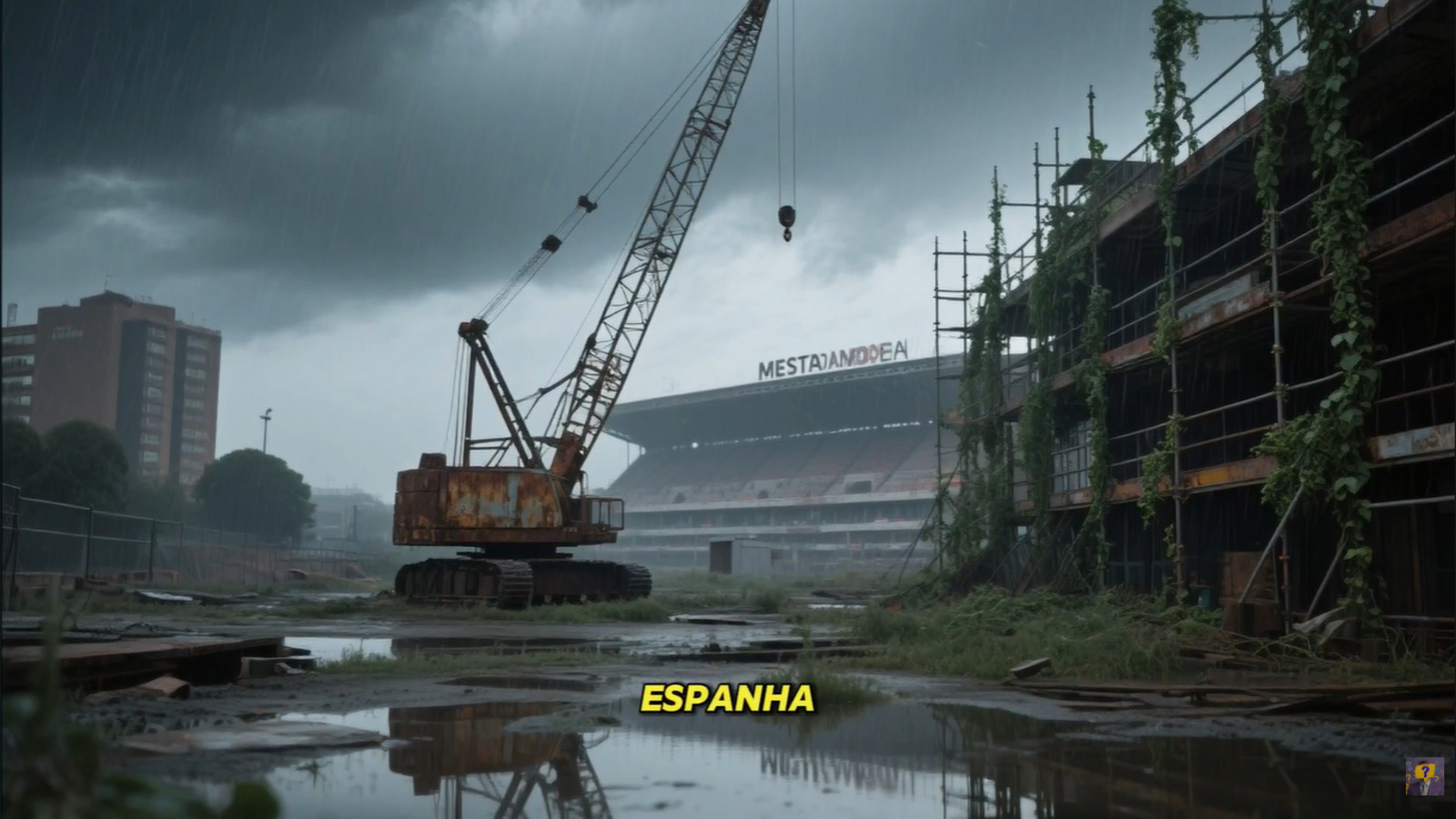

Abandoned for almost 15 years after Valencia’s financial crisis, Nou Mestalla advances with roof for 70,000 seats and aims for 2027 completion, with the goal of hosting 2030 World Cup matches
The Nou Mestalla, in Valencia, Spain, considered the largest stadium, has resumed progress after almost 15 years of abandonment, with works focused on the roof of the 70,000-seat stands and a completion target of 2027 to host the 2030 World Cup.


Works enter unprecedented phase
Considered the world’s largest ghost stadium, the Nou Mestalla has entered an unprecedented phase in recent days. Valencia’s home is nearing a visual transformation, linked to the installation of its roof.
Companies Horta Coslada and Pfeifer have advanced with the assembly of auxiliary scaffolding. The structure will be used for the installation of the ring tension cables, an essential part of the future roof.
-
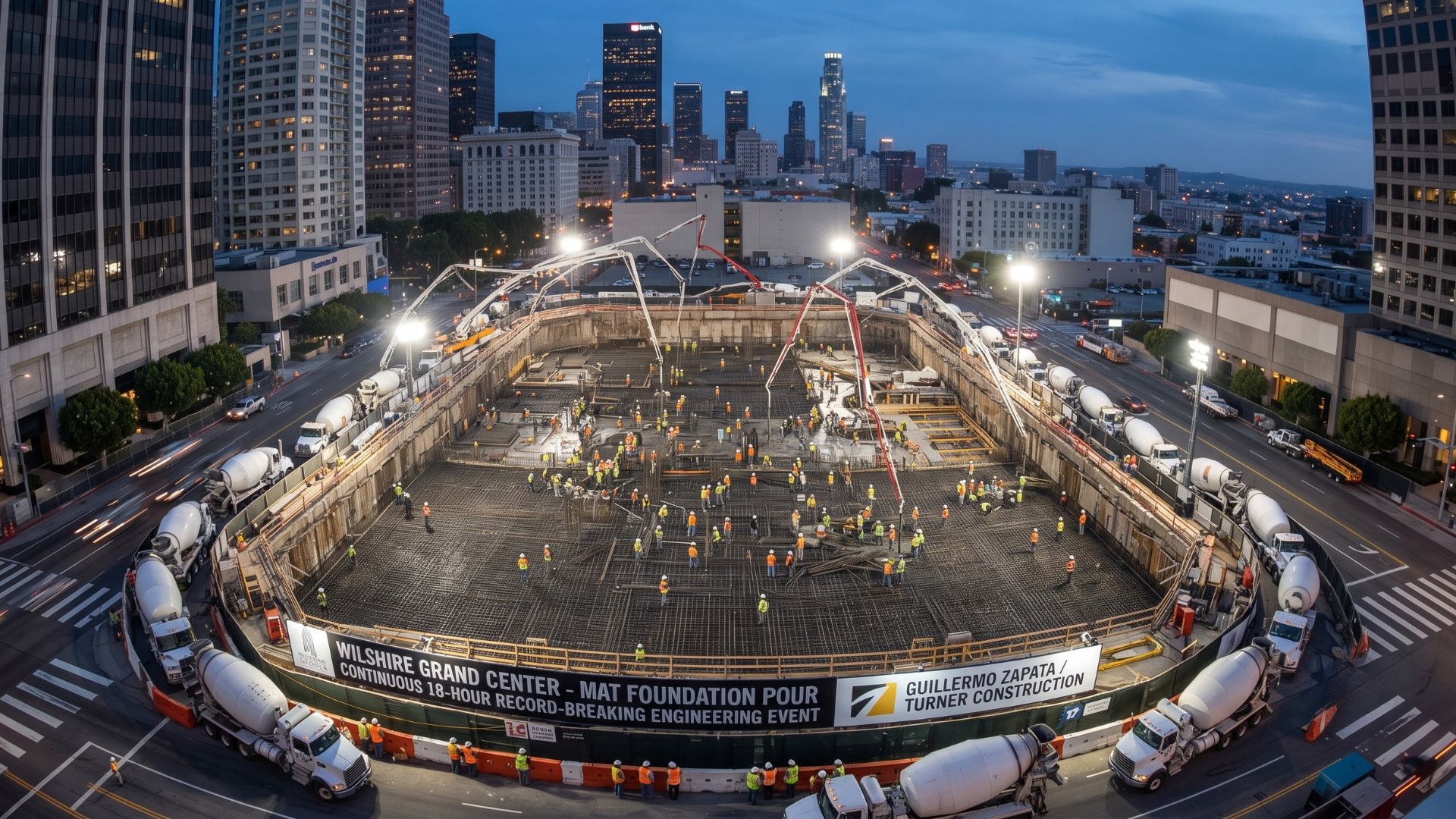
More than 2,100 trucks transported 16,200 cubic meters of concrete without interruption to create the foundation of the tallest skyscraper in the western United States and break a world record.

-
The man who started in construction with his own house founded a company in 1957, went through a banking crisis in 1987, and ended up connected to 16,500 houses in Houston.

-
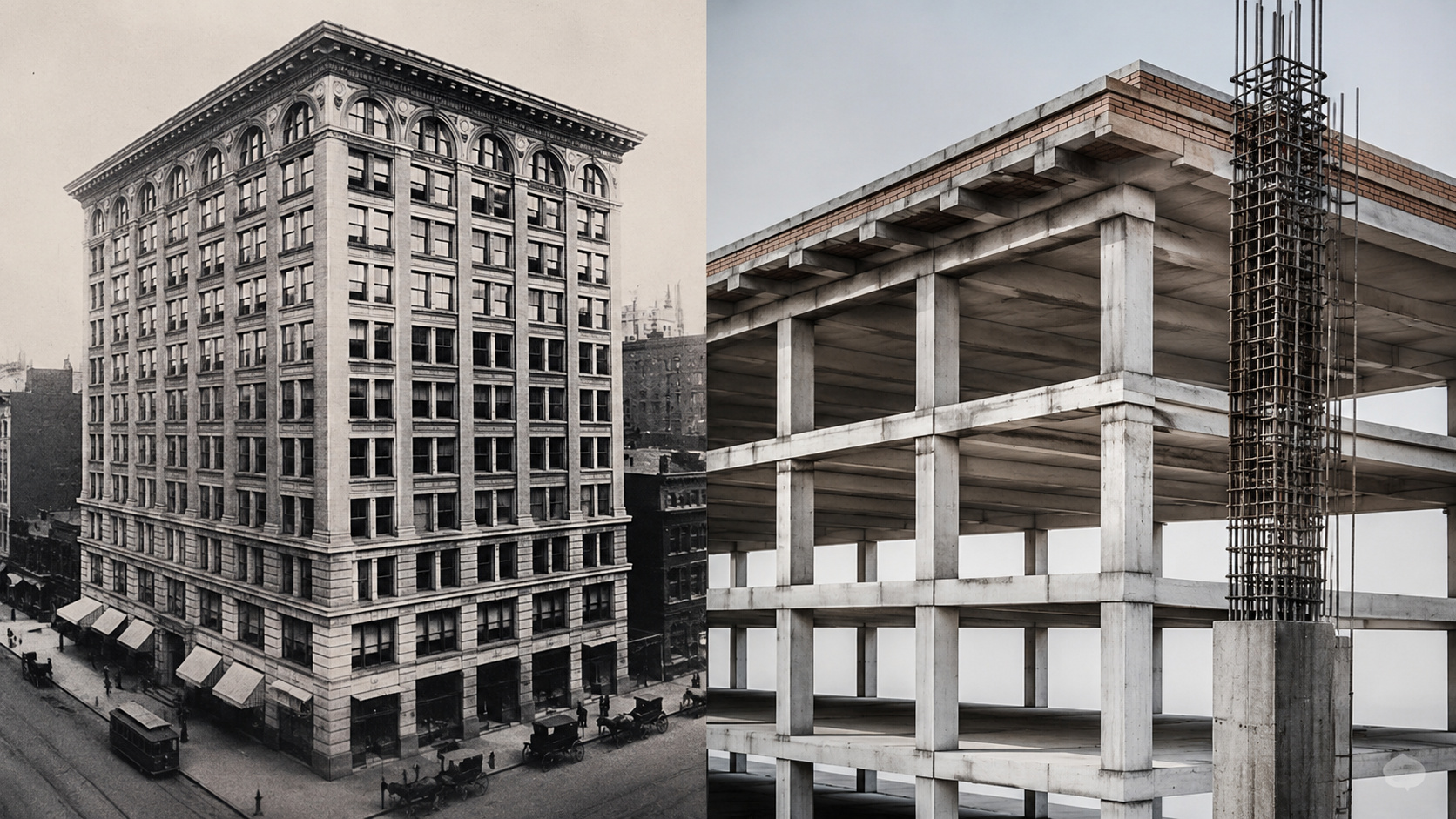
Builders challenged experts, erected a 16-story building using only reinforced concrete when the known limit was six floors, and proved that skyscrapers would never be the same again.
-
Up to 60 concrete mixer trucks pour 380 m³ of concrete onto the “big slab” of Niemeyer’s first work in Amazonas, in a decisive stage of the construction of the monumental oca that will mark the Parque Encontro das Águas in Manaus.



Protective structures have also been assembled where the radial cables will be placed. This progress indicates that the upper section is closer to taking shape after years of being stalled.

70,000-seat roof
The new phase focuses efforts on the roof of the 70,000-seat stands. This is a significant point of the project, as it should alter the skeleton associated with the abandonment of Nou Mestalla.
Work on the facade and stair towers also continues to progress. Four towers in the North and East sections have already been installed, reinforcing the gradual transformation of the structure.
In recent weeks, there has been progress on the roof support structure. The system known as a “bird’s nest” is located on each pillar and functions to tension and extend the cables.

Modern dream turned abandonment and ghost stadium
Valencia planned to build one of the most modern stadiums in the world. The project, however, became a symbol of stagnation starting in 2009, when construction was halted.
The halt occurred amid a severe financial crisis faced by the club. Valencia accumulated debts of over R$2 billion and had a R$550 million loan denied.
The Nou Mestalla remained abandoned for almost 15 years, with the construction’s skeleton already erected, gaining fame as a ghost stadium.

Goal targets 2027
The partially built stadium may be completed. The objective is to finalize the works in 2027, as part of the plan for Nou Mestalla to host the 2030 World Cup.
The resumption brings the project closer to a new stage. After years marked by stagnation, Valencia’s stadium returns to the spotlight with the construction of its roof.
With information from NSC Total.