






 Portuguese
  Spanish
  4 min of reading
  9 comments


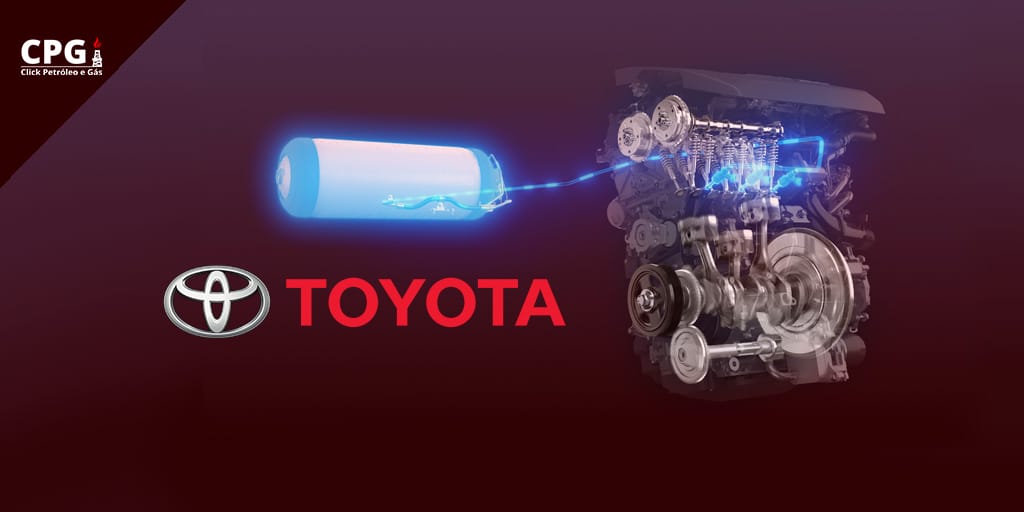

In The World Of Automotive Innovations, The Glare Of Technological Promise Does Not Always Cover The Shadows Of Practical Difficulties. The Toyota, An Automotive Giant Known For Its Technological Forefront, Is Facing A Real Storm Of Criticism And Lawsuits.
The Company, Which For Years Bet On Hydrogen Technology As The Fuel Of The Future, Now Sees Its Reputation Questioned By Dissatisfied Consumers Who Claim To Be Victims Of Unfulfilled Promises.
Revolution Or Disillusion? The Toyota Mirai And The Promise Of Hydrogen
Toyota Has A Long History With Hydrogen, Starting In The Early 2000s When The Company Began To Explore The Potential Of This Alternative Fuel.
The Japanese Automaker Envisioned A Future Where Refueling A Car Would Be As Quick As Filling A Gas Tank, But Without The Pollutants Associated With Oil.
-
Uber Faces Shareholder Scrutiny as Board Accused of Ignoring Safety, Compliance, and Harassment Warnings Amid Over 3,500 U.S. Lawsuits

-
Ferrari’s First Electric Car Divides Fans, Priced at $630,000, Amid Concerns Over Limited Editions; Brand Clarifies It’s Not Just for Future Perks
-
BYD Dolphin Mini: The Electric Car That Defies Depreciation, Losing Only 3.58% in a Year and Becoming the Best-Selling Retail Model Under $22,000

-
Electric Car JAC E-JS4 Loses $19,000 in Value in One Year, Leading Record Depreciation of Used Cars in Brazil Due to Expensive Battery and New Models


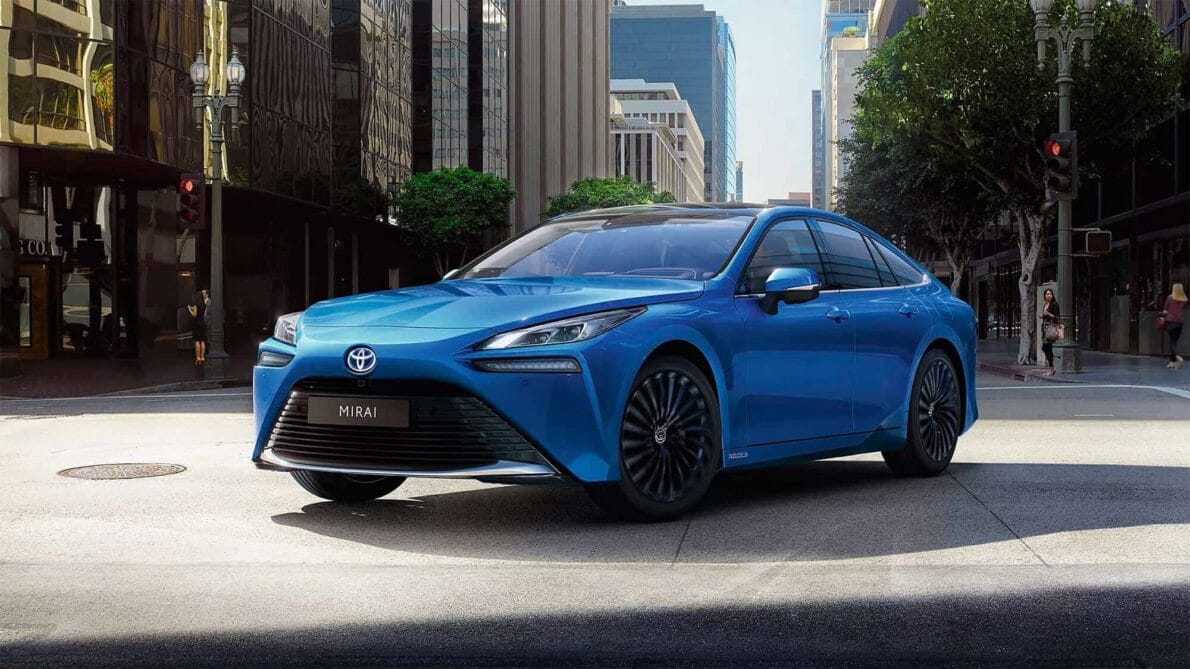
The Flagship Of This Initiative Is The Toyota Mirai, Launched In 2014, Which Promised To Be A Revolutionary Vehicle With Zero Pollutant Emissions And A Smooth, Silent Driving Experience.
However, The Reality Has Proved To Be Quite Different For Many Owners Of The Mirai. In The United States, A Class Action Lawsuit Has Been Filed By Drivers Who Claim To Have Been Deceived By Toyota’s Promises.
According To The Jornal do Carro, They Accuse The Company Of False Advertising, Claiming That The Infrastructure For Hydrogen Refueling Is Practically Nonexistent, Making The Car “Almost Unusable” In Many Areas.
Promising Technology, But With Logistical Challenges
The Mirai Uses Hydrogen Fuel Cells To Generate Electricity Through A Process Of Electrolysis, Which Powers The Car’s Electric Motor.
This Technology, According To Experts, Is One Of The Most Efficient Currently, But Still Faces Significant Challenges In Terms Of Logistics And Costs.
Although Countries Like Germany And France Are Working To Expand Their Hydrogen Refueling Networks, The Situation Is Different In Other Places.
In Spain, For Example, Finding A Hydrogen Station Is Almost An Impossible Mission, As Reported By The Jornal do Carro.
This Reflects A Larger Problem: The Global Infrastructure For Hydrogen Is Still Far From Adequate To Meet The Demand For Vehicles Like The Mirai.
The Financial Impact And The Allegations Of Consumers
Consumers Are Not Only Frustrated With The Lack Of Refueling Stations; They Are Also Feeling The Impact On Their Wallets.
According To The Class Action, The Cost Of Hydrogen As Fuel Has Skyrocketed In Recent Years. The Price Has Increased From US$ 13/kg To US$ 36/kg, Causing The Cost To Fill The Mirai’s Tank To Rise From US$ 75.60 To Over US$ 200.
These Consumers Argue That Toyota Was Not Transparent About The Risks And Challenges Associated With Hydrogen, Leading Them To Believe They Were Acquiring A Vehicle With “Accessible” Fuel.
In A Statement, The Plaintiffs Expressed Their Disappointment, Stating That Refueling Problems And Costs Make The Mirai “Practically Unusable.”
Toyota’s Defense And Future Vision
Toyota Defends Its Position, Stating That Hydrogen Is Still A Vital Part Of Its Long-Term Strategy. The Company Continues To Invest In Research And Development In This Area, Believing That Over Time, The Technology Will Become More Viable And Accessible.
According To The Estadão, Toyota Claims That It Is Committed To Collaborating With Governments And Partners To Expand Hydrogen Infrastructure, Especially In Europe, Where Emission Reduction Goals Are Ambitious.
The Automaker Also Claims It Is Exploring The Possibility Of Using Hydrogen In Internal Combustion Engines, Seeking To Reduce Emissions Without Sacrificing The Traditional Driving Experience.
Because Of This, Despite The Criticism, Toyota Emphasizes That It Remains Firm In Its Conviction That Hydrogen Will Play A Crucial Role In The Future Of Automobiles.
An Uncertain Future For Hydrogen In Vehicles
The Controversy Surrounding The Toyota Mirai Raises Important Questions About The Future Of Hydrogen As An Automotive Fuel.
While The Technology Offers Clear Advantages In Terms Of Emissions And Sustainability, The Lack Of Adequate Infrastructure And High Costs Remain Significant Obstacles.
According To Industry Analysts, The Transition To A Hydrogen-Powered Future Will Require Collaboration Between Automakers, Governments, And Energy Suppliers.
In This Sense, They Assert That Only Through Joint Efforts Will It Be Possible To Overcome Current Challenges And Make Hydrogen A Viable And Attractive Option For Consumers.
In Any Case, The Truth Is That Toyota Is At A Critical Crossroads. The Success Of Its Bet On Hydrogen Will Depend On Its Ability To Address Consumer Concerns And Move Forward With Practical Solutions To Infrastructure Challenges.
Will Toyota Be Able To Overcome These Challenges And Lead The Hydrogen Revolution, Or Will It Be Outshined By New Technologies And More Adaptable Competitors? Share Your Opinion In The Comments!





Aí por trás deve ter muito lobby da famigerada indústria do petróleo…
Conflito de interesses na mudança de tecnologia? Colaboração entre “montadora, governos e fornecedores de energia”. Onde está o ponto fraco? Sem interesse direto no sucesso da empreitada? Não é fácil dobrar a turma do petróleo.
O Brasil mais uma vez tem uma oportunidade de ouro com o Hidrogênio a partir do álcool. Basta o equipamento nos postos para a conversão. Custo alto para os postos? Que tal um consórcio formado por montadoras, usinas e governo para consignar os conversores? A infraestrutura do álcool está pronta.