






 Portuguese
  Spanish
  2 min of reading
  0 comments


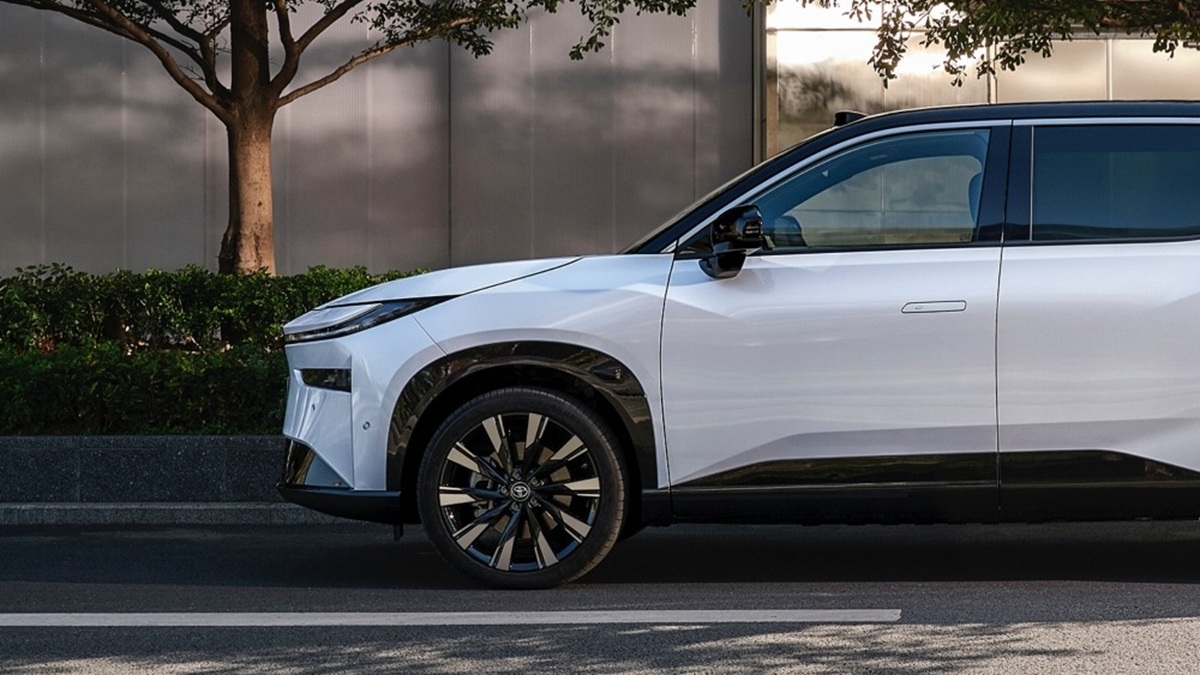
Pressured by Chinese Competition, Toyota Expands Use of Chinese Parts and Prepares New Electric Models to Maintain Market Space.
Toyota has decided to change its approach in the competitive global automotive market. The phrase “If you can’t beat your enemy, join him” reflects the Japanese manufacturer’s shift towards greater integration with the Chinese industry.
China today exerts influence comparable only to that of Germany at its peak, thanks to its production capacity and technological advancements in the electric vehicle sector.
Expansion of Chinese Suppliers
Currently, Toyota already sources parts from Chinese suppliers to manufacture electric cars outside the country.
-
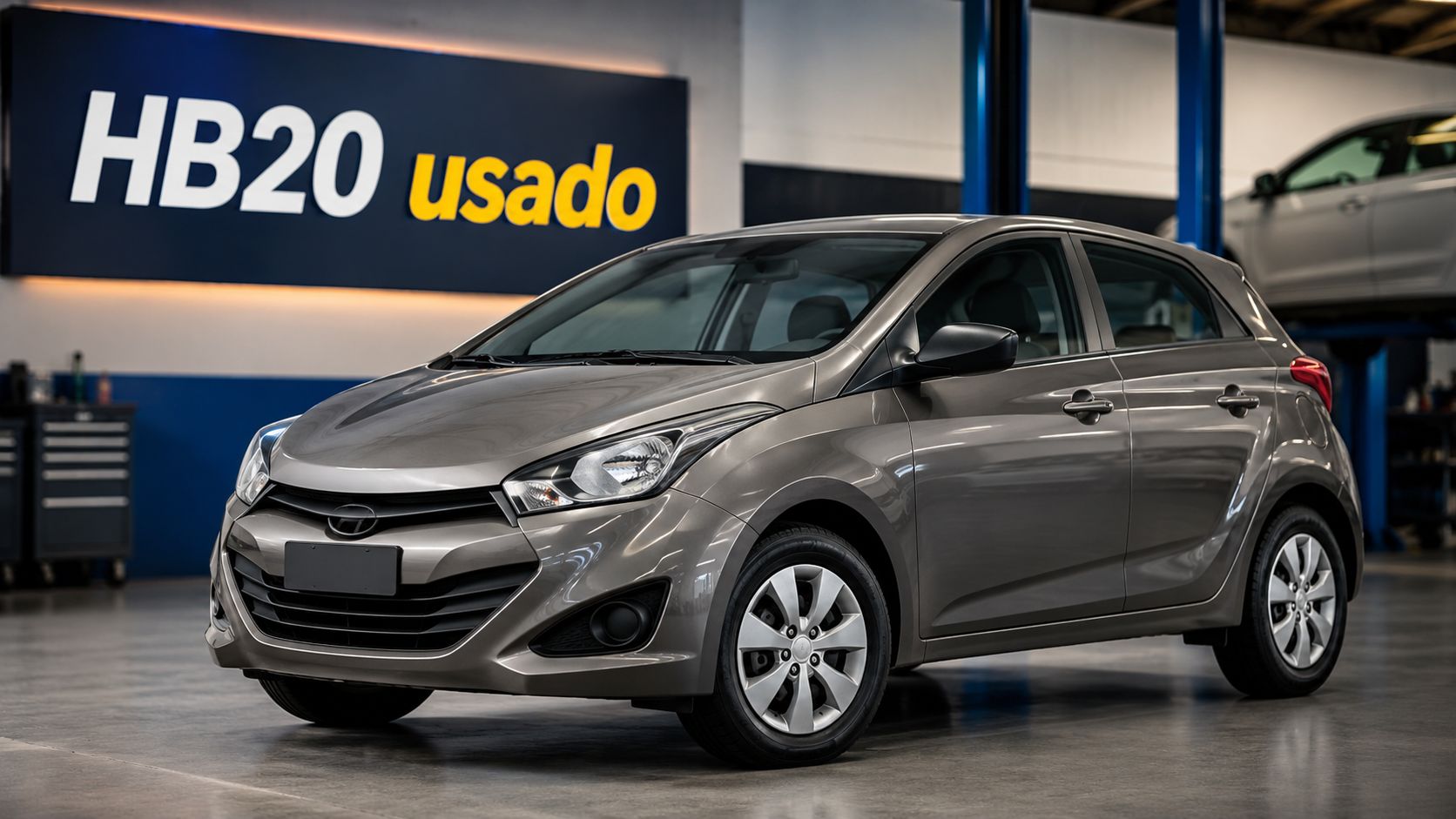
Thinking about buying a used HB20? See why the 2015 model is still a crowd favorite, with cheap parts, easy-to-fix mechanics, a strong engine, and quick sales.

-
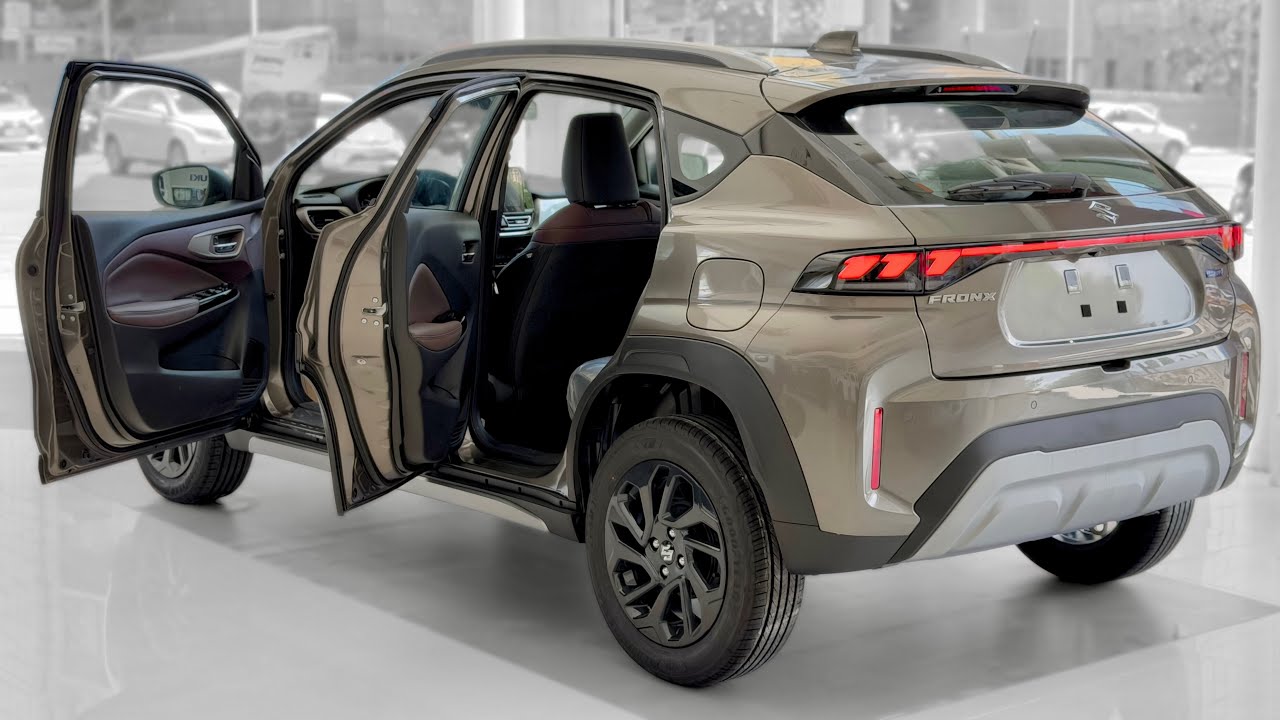
Suzuki Fronx emerges as the “compact coupe SUV” that Brazil doesn’t have: priced around R$ 37,000 in a tax-free conversion, the model has a hybrid version, 1.0 turbo engine, bold design, and the price of a popular car in India.

-
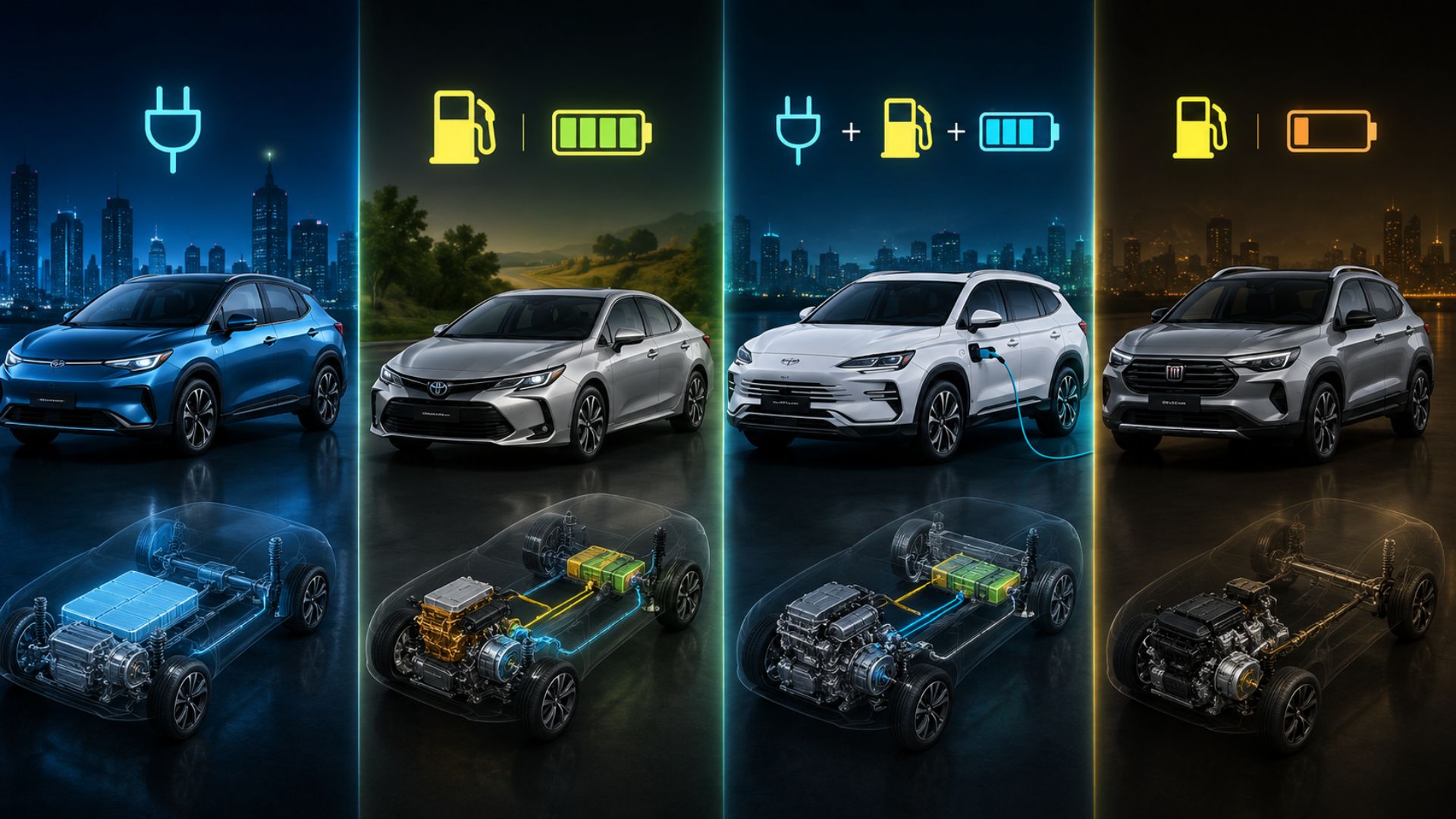
Not every car with a battery is truly electric; some hybrids never run solely on electric power, and since 2025, ABVE stopped counting mild hybrids as electrified, and these differences change everything when buying.

-
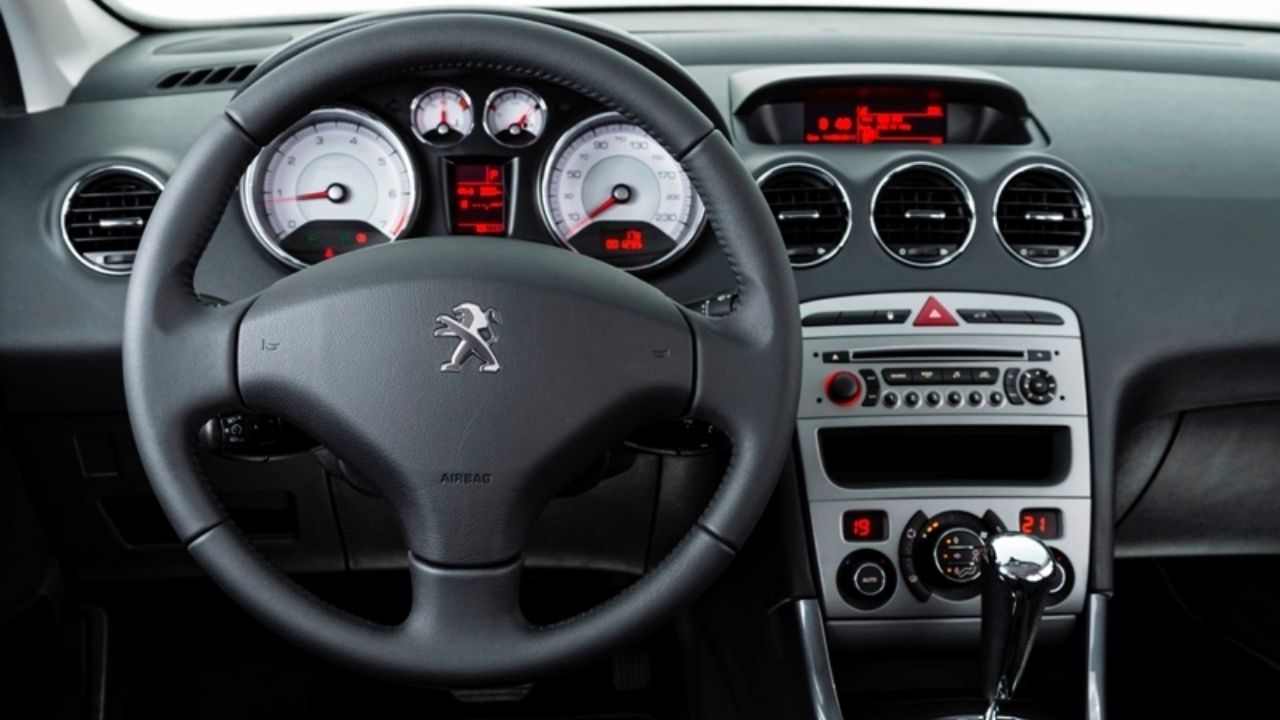
Peugeot 408 Griffe 2015 combines a turbo engine, 0 to 100 km/h in 8.3 seconds, a 526-liter trunk larger than many compact SUVs, leather, multimedia, cruise control, and a sunroof, but it remains off the radar among fully equipped used cars.
Now, according to Chinese sources, the brand intends to expand this practice by directing components to its new production base in Thailand.
The geographical proximity favors exchange, but some European units are also expected to follow suit.
This change coincides with the forecast of new electric launches for the European market. Among them are the Toyota C-HR+ and the Toyota Urban Cruiser, the latter being the most affordable in the lineup.
Growing Competition in Thailand
Toyota’s factory in Thailand will be the largest in Southeast Asia. Traditionally, Japanese brands, especially Toyota, have dominated the region.
However, the entry of Chinese manufacturers, such as BYD, is changing the landscape. Models coming from Shenzhen have won consumers over with their cost-effectiveness.
In Thailand, Japanese brands once represented over 90% of sales. Between January and May of this year, that share dropped to 71%.
In the same period, Chinese brands increased their market share to 16%. Toyota plans to respond with more competitive pricing and new models in the region starting in 2028, which could contain up to 30% Chinese components.
Adjustment in View of Electric Vehicles
Toyota, historically cautious about fully electric vehicles, is beginning to rethink its stance.
The brand’s first global electric model, the bZ4X, had modest initial sales but showed strength in the Spanish market last July, leading among electric vehicles and surpassing Tesla models.
The positive performance in China also reinforces the strategic shift. Exclusive models for the Chinese market, such as the bZ3X, are well-received. This opens up space for Toyota to consider manufacturing some of its electric vehicles in Europe.
Outlook
Integration with the Chinese supply chain is seen by Toyota as a way to reduce costs and maintain competitiveness.
With the global automotive industry transforming, the Japanese manufacturer bets that this proximity will allow it to expand its presence in markets where Chinese competition is growing rapidly.






Be the first to react!