






 Portuguese
  Spanish
  6 min of reading
  0 comments


Work versions with manual transmission, turbo flex engine, and expanded safety package put the Renault Niagara 2027 at the center of the competition with the Fiat Toro, while the brand prepares more sophisticated configurations with EDC transmission, 4×4 drive, and technologies inherited from the Boreal.
The Renault Niagara 2027 is expected to enter the Brazilian market with a strategy aimed at competing directly with the Fiat Toro, combining work versions with manual transmission, 1.3 turbo flex engine, and more equipped configurations with automated EDC transmission and 4×4 drive.
The proposal places the future pickup in a range above the Oroch and targets consumers looking for a vehicle that is intermediate between compact and traditional midsize models.
Information gathered by Autos Segredos indicates that the pickup will have versions aimed at professional use in Brazil, equipped with a manual transmission paired with the 1.3 TCe flex engine.
-
Is the BYD Song Pro worth it? The Anderson Sincero channel says it doesn’t exceed R$ 140,000, and the price dropped by R$ 47,000, reinforcing the depreciation of the plug-in hybrid in the Fipe table.

-
Caoa Changan CS75 arrives for R$ 199,990 with 4.77 m in length, a trunk of up to 1,620 liters, 8-speed Aisin transmission, 180 hp, 37.2 inches in screens, and Zero Gravity seat with massage.
-
Cheaper than a brand new Fiat Cronos, this used SUV offers a giant 516-liter trunk, a 1.0 Turbo 200 flex engine, CVT automatic transmission, and six airbags; the 2023 Fiat Fastback Impetus positions itself as a more complete alternative than the entry-level Cronos for those seeking more for the same budget.

-
The Ford Ranger plug-in hybrid, the same rugged pickup that handles 800 mm of water, becomes a plug-in pickup with a flex-fuel ethanol engine and is chosen as the International Pickup of 2026.


The manual option is expected to be one of Renault’s bets to cater to fleet owners, small business owners, and buyers who prioritize acquisition cost, operational robustness, and simpler maintenance in daily use.
In the intermediate and higher configurations, the Niagara is expected to use the EDC transmission, a six-speed dual-clutch automated system, already paired with the 1.3 turbo flex engine in recent products from the brand.
For the more expensive versions, the expectation is the offer of 4×4 drive, a feature that would expand the pickup’s reach among consumers who use the vehicle on dirt roads, rural areas, or low-traction routes.
1.3 turbo flex engine of the Renault Niagara 2027
The mechanical set expected for the Renault Niagara 2027 is the 1.3 TCe turbo flex engine, with power up to 163 hp when fueled with ethanol.
In the configuration used by the Renault Boreal, this engine delivers 163 hp and 270 Nm, equivalent to about 27.5 kgfm, numbers that serve as a reference for the future pickup while the manufacturer has not yet released the definitive technical specifications of the production model.
With gasoline, the expected power is 156 hp, while the torque reported in the findings is 25.5 kgfm.

The presence of the Start & Stop system is also mentioned among the features aimed at fuel economy, especially in urban use, where the engine can be temporarily turned off at stops and automatically restarted when the driver resumes driving.
The adoption of manual transmission in the entry-level versions draws attention because Fiat Toro, the main reference in the segment, no longer offers this type of transmission in its current range.
With this, Renault can explore a specific niche within mid-size pickups, offering a simpler alternative for those not necessarily seeking the comfort of automatic transmission.
Manual transmission, EDC, and 4×4 drive in Renault’s pickup
In addition to the EDC transmission and 4×4 drive in the higher configurations, the Renault Niagara 2027 is expected to receive equipment inherited from the Boreal.
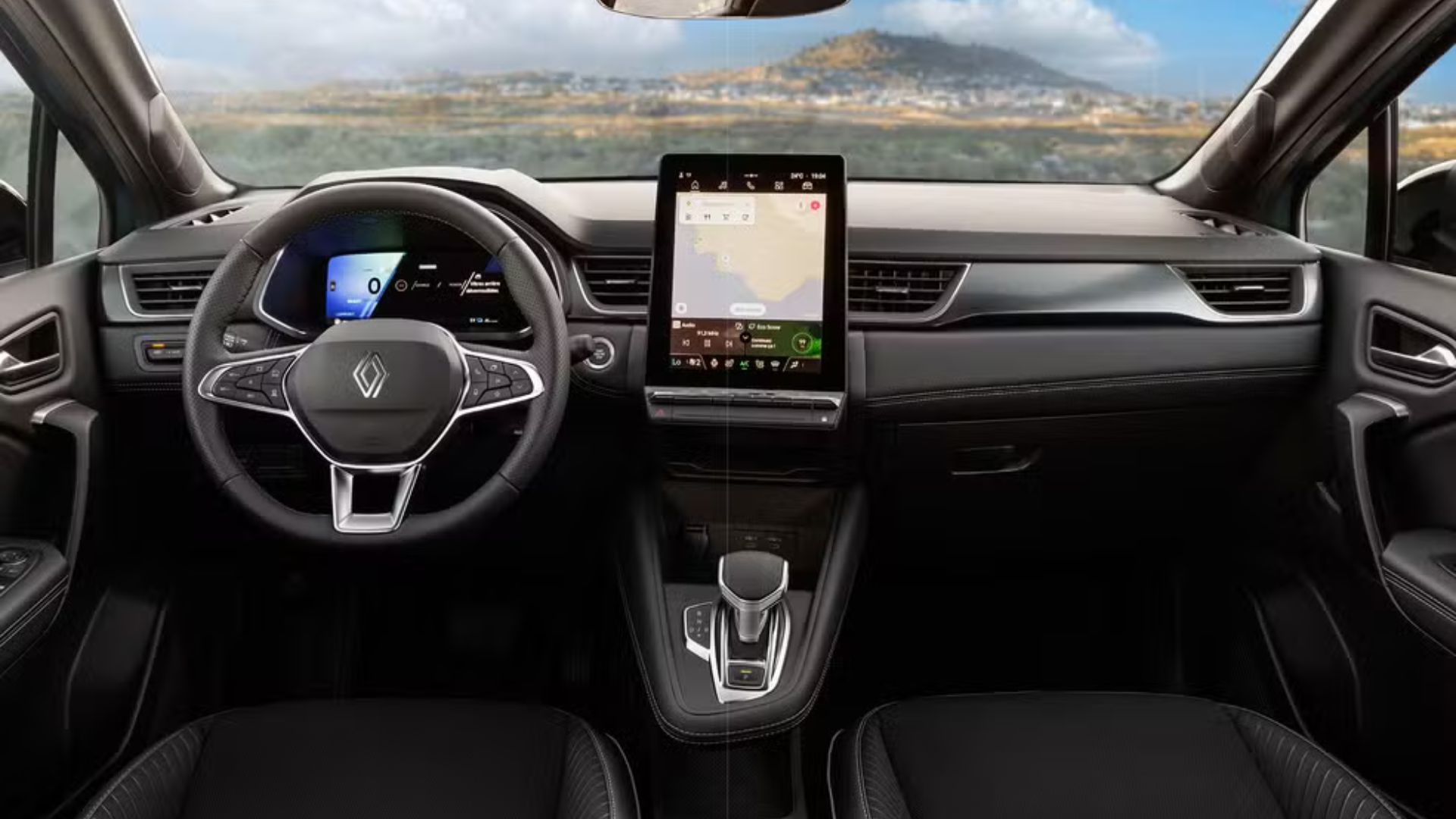
The list includes a 10-inch digital instrument panel and a 10-inch multimedia center with integrated Google services in the more equipped versions, reinforcing the brand’s attempt to position the pickup as a more modern product than the current Oroch.
Safety content should also be an important point in Renault’s strategy.
The expectation is that the Niagara will follow the Boreal’s standard, which features six airbags and driving assistance resources in its lineup.
In the more complete SUV versions, the package includes systems such as autonomous emergency braking, adaptive cruise control, blind spot monitoring, and lane-keeping assist.
In the case of the pickup, investigations point to six airbags as standard in all versions and ADAS items from the entry-level configuration.
Renault has not yet published the official list of equipment for the production Niagara, so the final composition of the packages will depend on the brand’s confirmation at the commercial launch.
Renault Niagara 2027 will have a direct connection with the Boreal
The Niagara will be developed as a direct derivation of the Boreal, an SUV that inaugurates a new phase for Renault in Brazil.
In practice, the pickup is expected to share with the SUV a large part of the front structure, the side design up to the B-pillar, as well as internal components like the dashboard, central console, front seats, and door trims.


At the front, the expectation is that the Niagara will adopt an exclusive bumper but maintain headlights similar to those used on the Boreal.
This solution helps create a unique identity for the pickup without distancing it from the brand’s new visual language, which aims to reposition its products away from the visual heritage associated with the Dacia line sold in the country.
The side should preserve the SUV’s stamping up to the cabin area, while the bed and rear will assume a specific design.
The taillights inspired by the Niagara concept are expected in the final version, maintaining part of the visual signature presented by Renault in the prototype revealed to anticipate its new international product family.
Compact mid-size pickup targets space above the Oroch
With dimensions close to those of the Fiat Toro, the Renault Niagara is expected to occupy a higher segment than the Oroch within the national lineup.
Specialized reports indicate that the future pickup will be about 5 meters long with a wheelbase close to 3 meters, measurements that would place it among the options closest to the Toro in size and proposal.
This change is significant for Renault because the Oroch has aged within a segment that has gained more modern and sophisticated competitors.
The Niagara, on the other hand, is born linked to a more recent platform and a broader technological package, which should allow the French brand to compete for customers who currently consider models like the Fiat Toro, Chevrolet Montana, and Ford Maverick.
The production and definitive schedule still depend on complete official confirmation from Renault.
Industry publications indicate that the pickup is already being tested in Brazil and is expected to hit the market between the end of 2026 and the 2027 model year, but the brand has not yet detailed prices, versions, load capacities, final dimensions, and a complete list of equipment.
Renault Niagara hybrid system expected to come later
The Niagara concept presented by Renault proposed an E-Tech 4×4 technology, with an electrified system and an electric motor on the rear axle.
For the Brazilian model, however, available information indicates that the debut will initially occur with the 1.3 turbo flex engine, while the hybrid configuration would be reserved for a later stage.
This decision would allow Renault to launch the pickup with a mechanical set already known in its new regional lineup, reducing introduction risks and simplifying the initial offering.
At the same time, the possibility of a hybrid version keeps room to expand the product’s reach at a later stage, especially if the mid-size pickup segment advances in electrification in Brazil.
Inside, the Niagara is expected to replicate the Boreal’s architecture in most of the cabin, including the dashboard, center console, and electronic parking brake.
The rear seat, however, will have its own solution due to the pickup structure, as the cabin needs to adapt to the presence of the cargo bed and the mixed-use demands between work and leisure.
The combination of manual transmission in work versions, EDC transmission in more expensive options, 4×4 traction, and an expanded safety package shows that Renault intends to target different buyer profiles with the same product.
The Niagara thus arrives as a central piece in the brand’s renewal in Brazil and as one of the few direct rivals to the Fiat Toro in size, proposal, and positioning.









Be the first to react!