Portuguese
  Spanish





Sunglasses Made From Car Waste Arrive in Toyota Stores in Brazil, Combining Sustainability, Innovation, and Sporty Identity of the GAZOO Racing Line. The Product Uses Reused Materials From the Manufacturing Process of the Automaker.
Toyota Brazil announced the GR sunglasses, an accessory made from reused materials from the manufacturing process and initially sold in six units of the GR Garage network in the country.
Launched this year, the product combines the concept of circular economy with the sporty identity of the TOYOTA GAZOO Racing division.
Frame Made of Recycled Polypropylene
The differentiator of the model is in the front part of the frame. The piece uses polypropylene sourced from bumper waste from the GR-Sport vehicles produced in Brazil.
-
Farewell to Toilet Paper? New Technology Sparks Debate on Bathroom Habits

-
Young Entrepreneur Who Started Recycling Bottles at Age 3 Becomes Environmental Icon in the U.S.

-
Nivea Blue Tin Cream: Popular Post-Beach and Pool, But Pharmacist Warns About Missing Ingredients and Common Summer Mistakes Regarding UVA and UVB Protection.
-
Archaeologists Recover Colossal Structure Lost for Over 1,600 Years Under the Sea, Including 22 Monumental Blocks Weighing Up to 80 Tons, Intriguing Experts.



The transformation of the material was developed in partnership with Metalzilo, a company responsible for processing and shaping the recycled plastic.
Case With Automotive Seat Cover
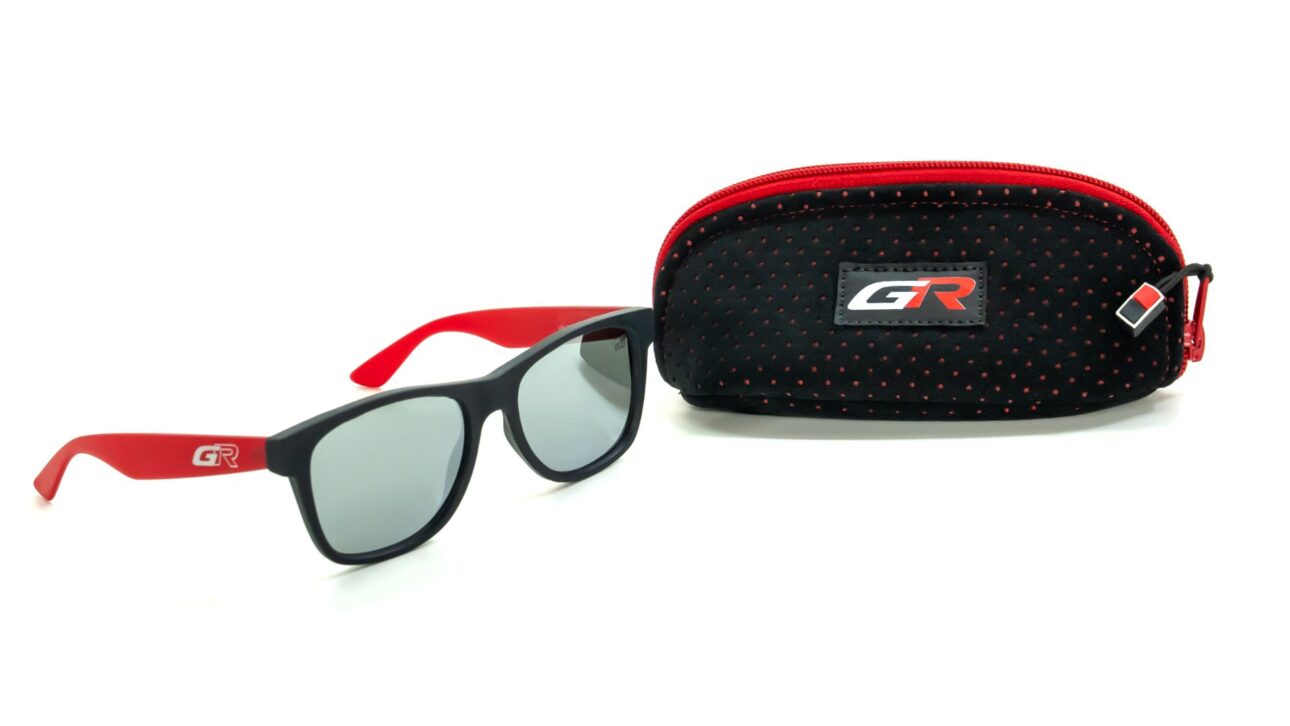
In addition to the frame, the case for the glasses also originates from reuse.
The accessory uses waste from seat covers generated in the manufacture of Corolla GR-Sport and Corolla Cross GR-Sport seats by Toyota Boshoku do Brasil.
The material, identical to that used in cars, is sewn by teams from the ReTornar Project, an initiative supported by the Toyota Foundation of Brazil focused on sustainability and empowering women in sewing cooperatives.
Two Models With GR Line Identity
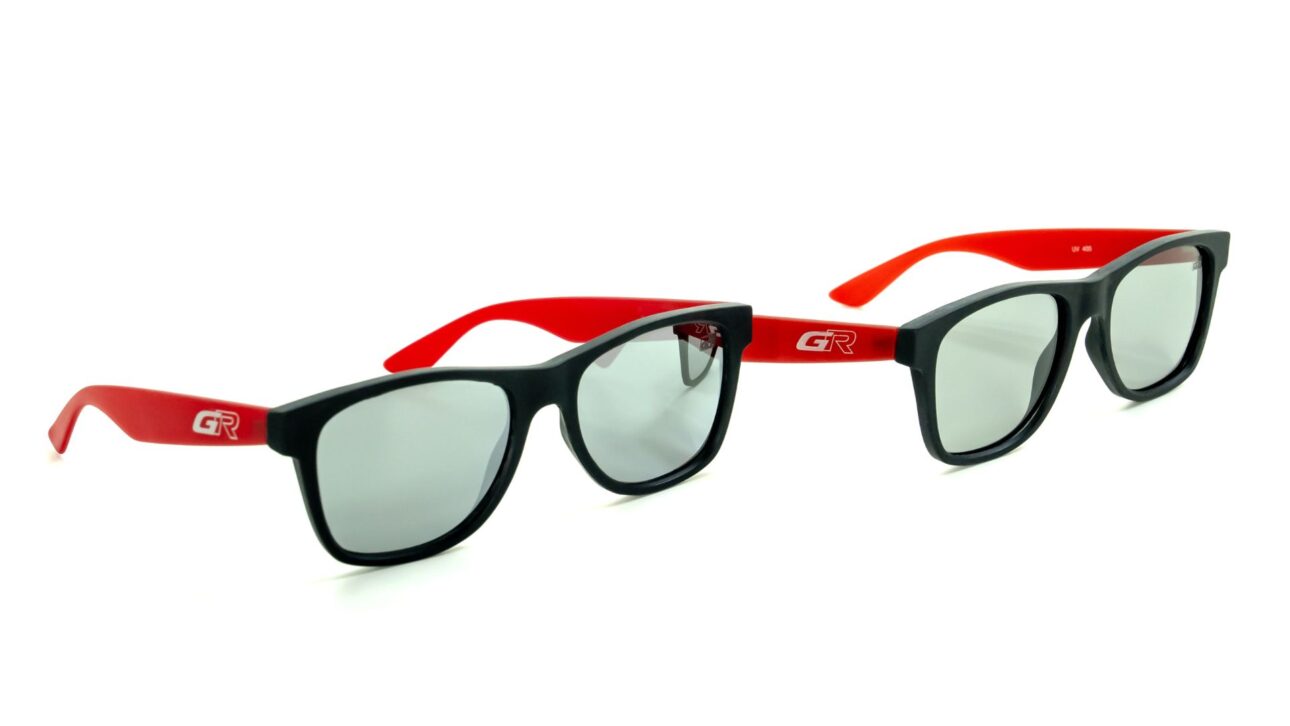
The launch includes two variations: one with gray lens and another with mirrored lens.
In both, the arms are red, a color associated with TOYOTA GAZOO Racing, reinforcing the sporty positioning of the accessory.
Exclusive Sale at GR Garage
The sale occurs exclusively at GR Garage, spaces in Toyota dealerships focused on the sports line.
The units are located in Goiânia (GO), Florianópolis (SC), Porto Alegre (RS), Alphaville (SP), Curitiba (PR), and Sorocaba (SP).
According to the company, the choice of dedicated points seeks to bring the product closer to the public that already consumes GR items.
Circular Economy as Toyota’s Strategy
According to Toyota, the initiative integrates the company’s strategy of circular economy in Brazil by transforming automotive waste into everyday use items.
The proposal, presented during the 2025 Environment Month, aims to reduce waste and extend the lifecycle of materials from vehicle production.
The automaker claims that the action is pioneering in the Brazilian automotive sector.
Partnerships and Production Processes
The development involved cooperation with Metalzilo in repurposing polypropylene and with Toyota Boshoku do Brasil in supplying cuttings of the seat covers.
In the finishing of the case, the ReTornar Project gives a productive destination to the material and adds a social component to the product by supporting income generation for cooperative members.
The Toyota Foundation of Brazil has sponsored the initiative since 2011.
Statement From Toyota About the Project
“More than developing cars, we are committed to creating solutions that contribute to society and the environment.
Transforming automotive waste into a sustainable accessory is a concrete way to practice the circular economy and generate a positive impact.
This initiative symbolizes our vision for the future — a future where innovation and responsibility go hand in hand,” said Roberto Braun, Director of Communication, President of the Toyota Foundation, and spokesperson for ESG at Toyota Brazil.
What Consumers Find in Stores
Visitors to the stores will find two models with similar usage proposals, differentiated by lens type.
The design prioritizes the visual signature of the sports brand, with red on the arms and the frame developed from production waste of the GR-Sport vehicles.
The company did not disclose detailed technical data, such as dimensions, weight of the set, or lens specifications beyond color, keeping focus on the concept of reuse.
Waste as Raw Material in the Automotive Industry
The use of industrial scraps as input has gained ground among vehicle and auto parts manufacturers.
In the case of Toyota, the conversion of bumpers into eyeglass frames and seat cuttings into cases exposes a practical route to reduce disposal and encourage local job chains.
The application in a brand-appeal accessory works as a showcase for recycling processes of plastics and textiles.