






 Portuguese
  Spanish
  5 min of reading
  2 comments


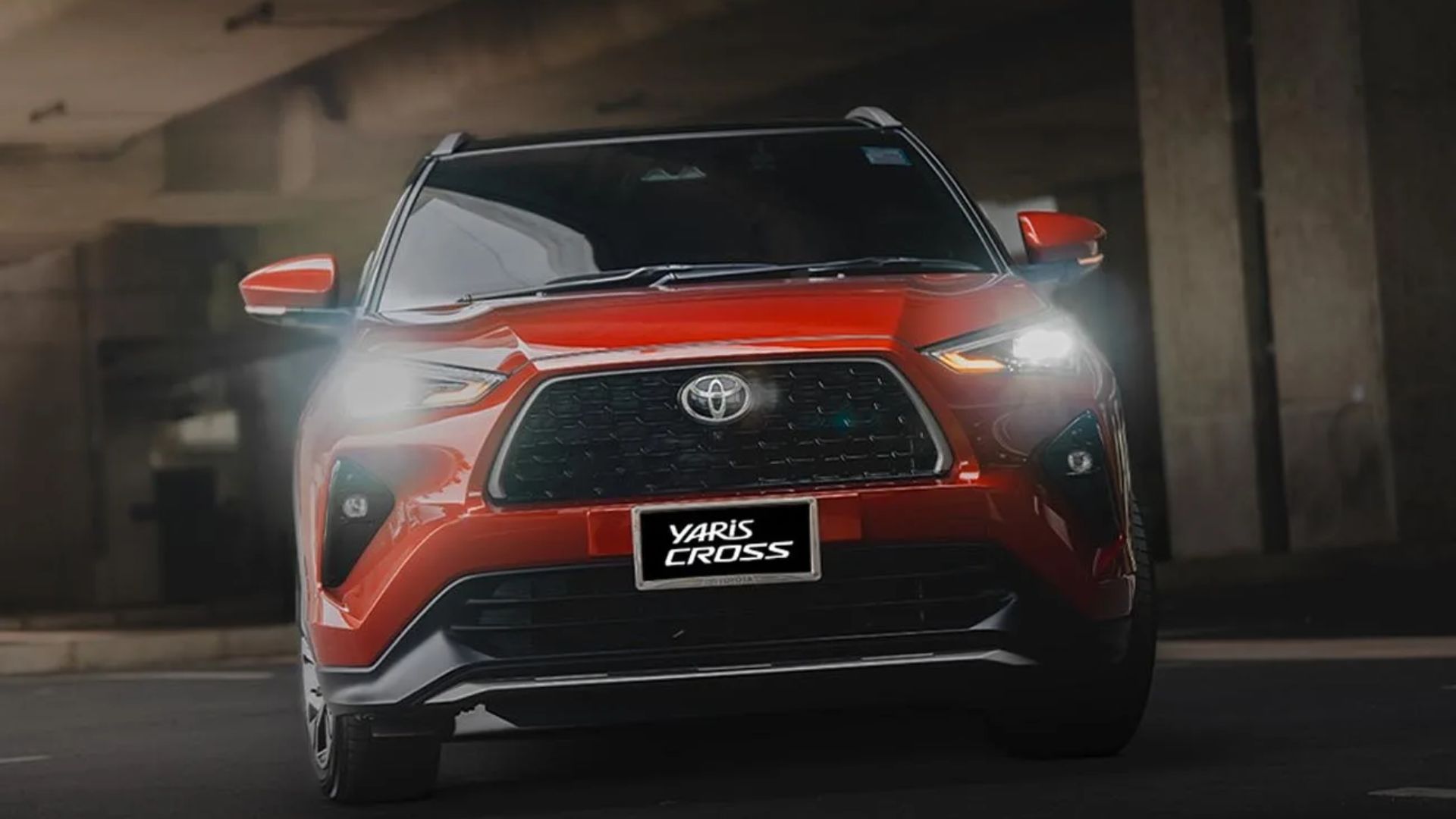


Compact SUV Promises Consumption Of Up To 32 Km/L, Five Stars In Safety And Prices Between R$ 130 Thousand And R$ 190 Thousand In Brazil. Model Arrives In October And Can Already Be Reserved At Dealers.
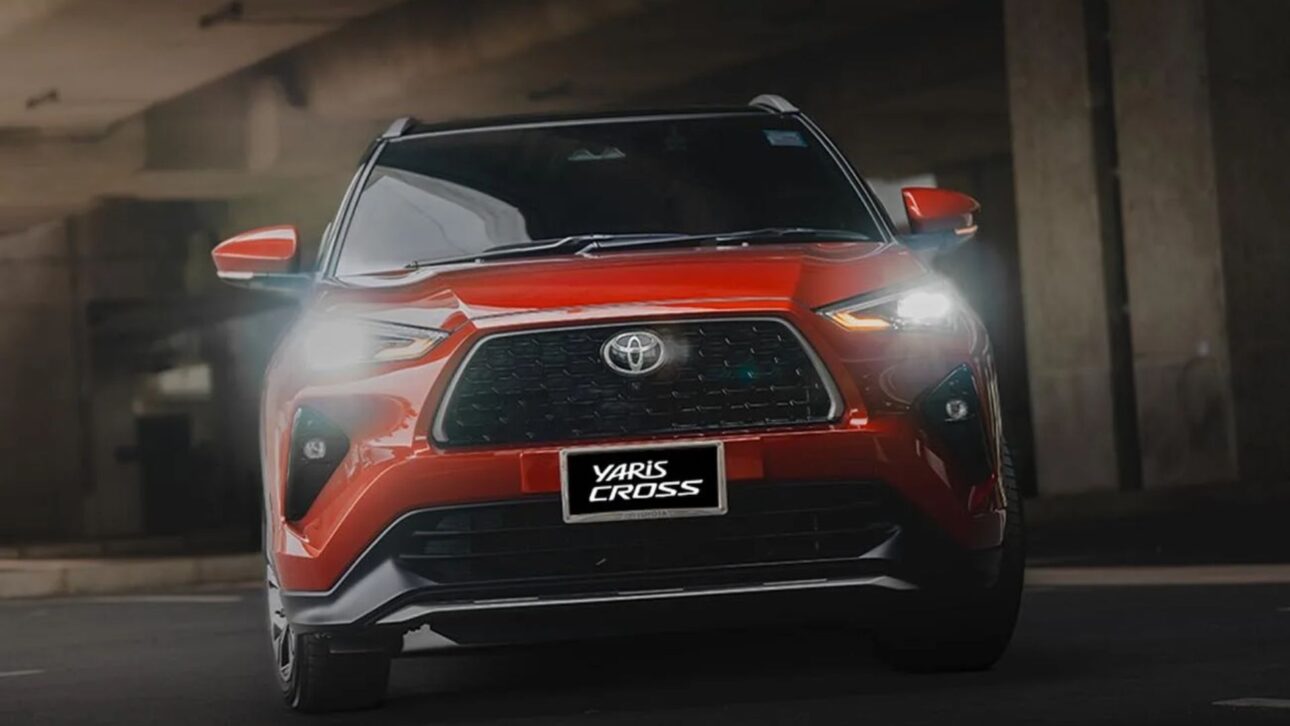
Expected To Debut In Brazil In October, The Toyota Yaris Cross Arrives With A Focus On Economy And Safety.
The Model Promises Consumption Above 32 Km/L In Measurements Disclosed In Chile, Received Five Stars In Collision Tests From ASEAN NCAP, And Begins Sales In An Estimated Range Between R$ 130 Thousand And R$ 190 Thousand.
Dealers Are Already Accepting Signals For Pre-Reservation, While The Brand Positions The Utility To Face The Hyundai Creta, Volkswagen T-Cross, And Nissan Kicks.
-
Uber Faces Shareholder Scrutiny as Board Accused of Ignoring Safety, Compliance, and Harassment Warnings Amid Over 3,500 U.S. Lawsuits

-
Ferrari’s First Electric Car Divides Fans, Priced at $630,000, Amid Concerns Over Limited Editions; Brand Clarifies It’s Not Just for Future Perks
-
BYD Dolphin Mini: The Electric Car That Defies Depreciation, Losing Only 3.58% in a Year and Becoming the Best-Selling Retail Model Under $22,000

-
Electric Car JAC E-JS4 Loses $19,000 in Value in One Year, Leading Record Depreciation of Used Cars in Brazil Due to Expensive Battery and New Models


Launch, Positioning And Pricing Strategy
Toyota Will Repeat The Logic Applied To The Corolla By Adopting The Surname “Cross” To Distinguish The SUV From Other Body Styles.
Although It Shares A Name With The Yaris, The Company Ended Production Of The Hatch And Sedan Variants, Leaving The New Utility As The Representative Of The Line In The Country.
In Retail, The Network Projects Values Between R$ 130 Thousand And R$ 190 Thousand, A Level That Opens Space For Combustion And Hybrid Versions, With An Approximate Difference Of R$ 60 Thousand Between Configurations.
According To Retailers, The Pre-Reservation Signals Vary According To The Area And Can Range From R$ 5 Thousand To R$ 10 Thousand.
While The Brand Has Not Detailed The Range, The Commercial Design Indicates A Sufficient Array To Reach Distinct Audiences.
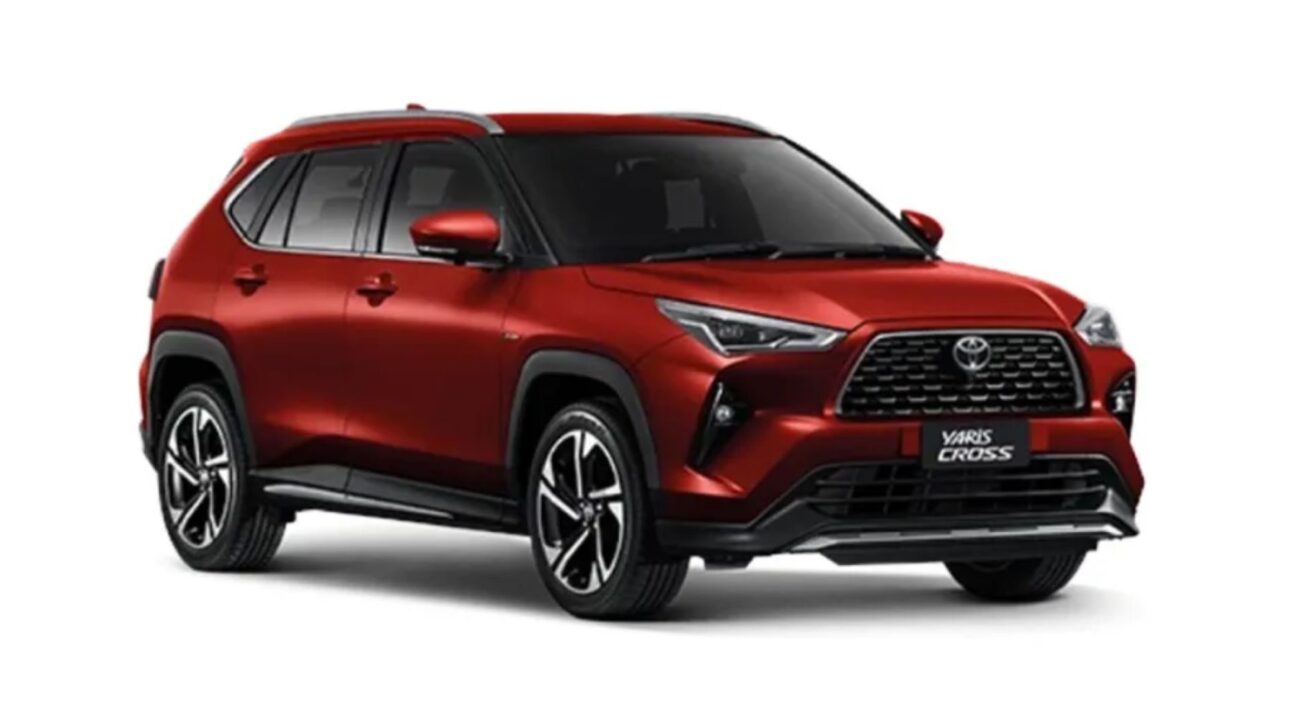
Those Seeking An Entry-Level Price Will Have A Gas/Ethanol Option, While Consumers Interested In Lower Consumption And Green Label Will Tend To Move To The Electrified Alternative.
Thus, The Yaris Cross Occupies The Intermediate Space Among Compact SUVs, A Segment That Concentrates A Relevant Portion Of Sales In The Country.
Dimensions, Platform And Trunk
In Markets Where It Is Already Offered, The Yaris Cross Measures 4.31 M In Length, 1.77 M In Width, 1.61 M In Height And Features 2.62 M In Wheelbase.
The Trunk Holds 472 Liters, A Competitive Volume Within The Segment And Sufficient For A Family’s Luggage.
The Structural Base Is The DNGA (Daihatsu New Global Architecture), A Simplified Derivative Of The TNGA Used By Corolla And Corolla Cross.
This Architecture Prioritizes Lightness And Efficiency, Attributes That Help In Consumption And Dynamics.
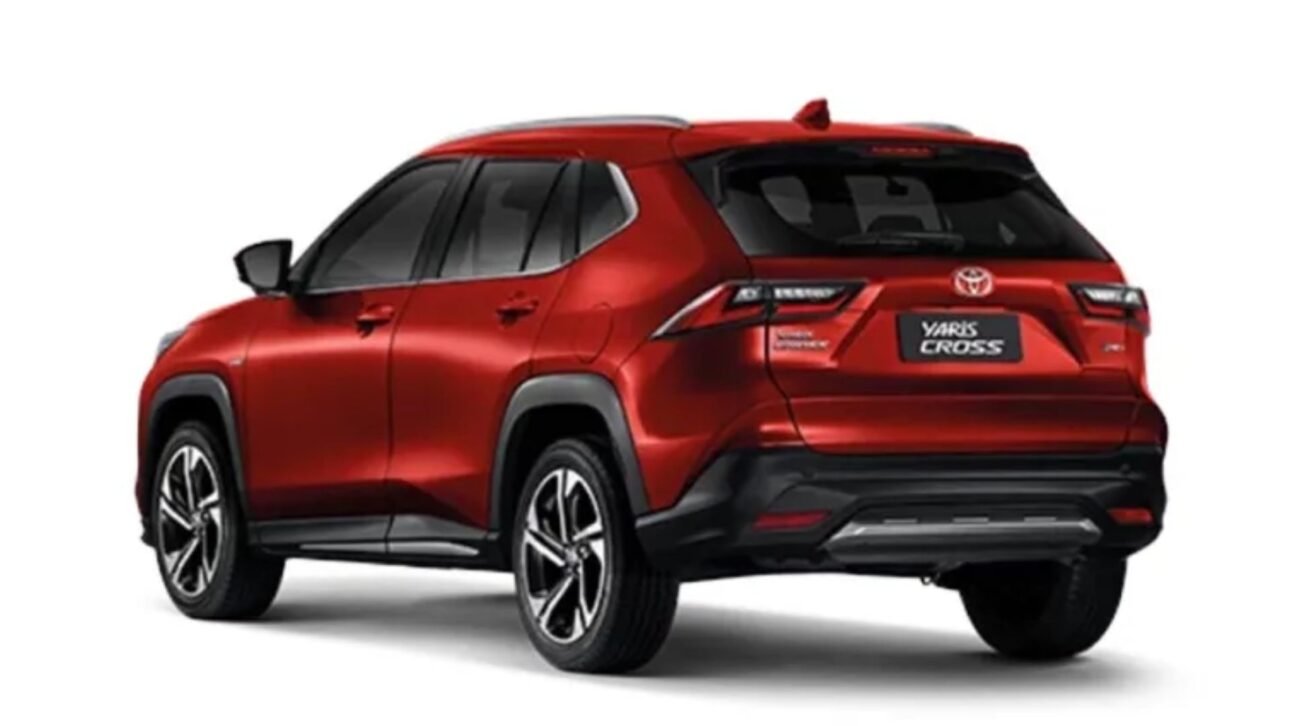
In Terms Of Appearance, The Inspiration From The RAV4 Is Evident.
The High Front With A Wide Grille And The Bumper Contours Reinforce The Image Of Robustness, While The Elevated Rear And Horizontal Taillights Enhance The Sense Of Width.
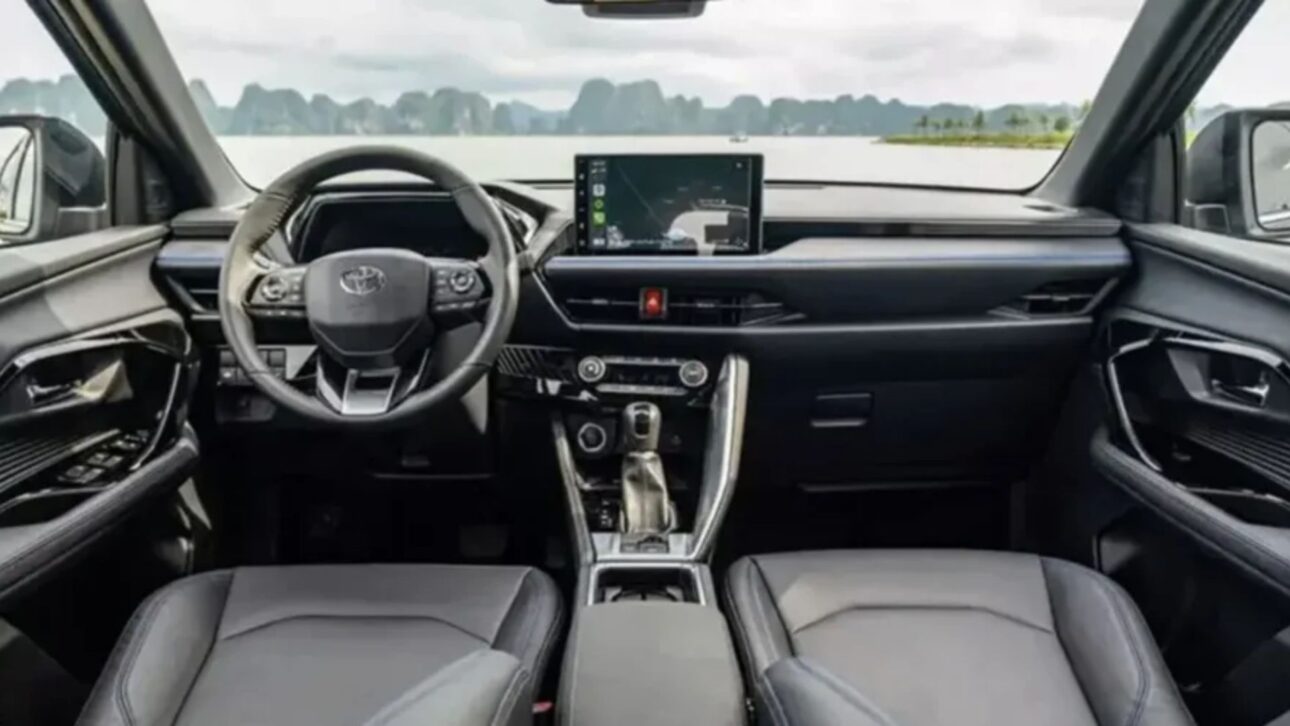
Although The Finishing Details For Brazil Are Not Confirmed, The Expectation Is For A Package Aligned With The Brand’s Recent Identity.
Mechanical Set: Combustion And Hybrid
The Line Will Offer Two Powertrain Solutions.
The Combustion Configuration Uses The Well-Known 1.5 Flex Naturally Aspirated, With Up To 110 Hp Of Power And 14.9 Kgfm Of Torque, Associated With The CVT Transmission Simulating Seven Gears.
This Combination Prioritizes Smoothness And Low Urban Consumption, A Recurring Feature In Continuously Variable Automatics.
The Hybrid Option Starts From The Same 1.5 Engine, But Is Prepared To Operate In The Atkinson Cycle, Which Sacrifices Peak Power To Deliver Better Efficiency.
In This Configuration, The Thermal Engine Develops 91 Hp And 12.3 Kgfm, Working Together With An 80 Hp Electric Motor And 14.4 Kgfm.
The Reported Combined Power Is 111 Hp.
The Combined Torque Has Not Been Disclosed.
This Absence Is Common In Hybrid Systems Due To How Torque Curves Add Together At Different Rotations, But The Trend Is For Linear Accelerations And Controlled Consumption.
Consumption And Efficiency
Reports From The Chilean Market Indicate Consumption Above 32 Km/L In The Hybrid Version, A Figure That Reinforces The Yaris Cross’s Calling To Run With Low Fuel Consumption.
In Brazil, The Official Figures From Inmetro Have Not Yet Been Presented, However The Combination Of A Compact Body, Light Platform, And Electrified Powertrain Suggests Good Results In Urban Cycle.
The Road Conditions, The Use Of Ethanol, And Local Calibration May Produce Values Different From Those Observed Abroad.
Still, Toyota Has A Favorable History In Efficiency With Its Hybrids, Which Helps To Explain The Higher Price Positioning Compared To The Combustion-Only Versions.
For Consumers Who Primarily Travel In Cities, The Long-Term Savings Can Offset The Higher Initial Investment.
Safety And Expected Equipment
The Yaris Cross Achieved A Maximum Rating (Five Stars) In The ASEAN NCAP, An Organization That Evaluates The Protection Of Adults And Children, As Well As Assistive Technologies.
Although The Brazilian Package Is Not Described, It Is Reasonable To Expect Items Such As Six Airbags, Stability Control, And Driving Assistance Present In Other Markets, Such As Collision Warning And Autonomous Emergency Braking.
The Local Homologation Will Define The Exact List, But The Good Performance In Crash Tests Adds A Relevant Argument In The Competition With Direct Rivals.
Direct Rivals And Competitive Scenario
The Compact SUV Segment Includes Some Of The Best-Selling Models In The Country.
Hyundai Creta Offers A Wide Network And Connectivity Packages.
Volkswagen T-Cross Bets On Performance And Interior Space.
Nissan Kicks Highlights Consumption And Maintenance Costs.
In This Context, The Yaris Cross Advances With Credentials Of Low Consumption, Maximum Safety Rating, And The Brand’s Reliability Reputation.
Additionally, The Price Range Between Combustion And Hybrid Versions Creates Steps That Can Attract Both Entry-Level Customers And Those Willing To Invest More In Technology And Efficiency.
While The Versions And Contents Are Not Officialized, Toyota And Its Dealers Strengthen The Product’s Presence With The Pre-Sale.
The Strategy Anticipates Demand And Helps To Calibrate The Initial Supply, Especially If The Demand For The Hybrid Variant Exceeds Expectations, As Has Happened With Other Electrified Models From The Brand.
What To Watch Before The Debut
Until It Arrives In Stores In October, The Main Points Of Attention Are The Definition Of Versions, The Complete Equipment List, And The Confirmed Prices.
It Is Also Worth Monitoring The Homologated Consumption Rates In Brazil To Compare Real Performance With The Figures Obtained In Chile.
Finally, The Pricing Policy For Maintenance And The Warranty Of The Hybrid System Are Likely To Weigh In The Purchase Decision Of Consumers Who Prioritize Total Cost Of Ownership.
With Declared Consumption Above 32 Km/L, Five Stars In ASEAN NCAP, And A Price Range Positioned In The Middle Of The Segment, The Yaris Cross Brings Together Elements To Compete From Launch.
The Question That Remains Is: Which Configuration Will Attract More Interest, The Combustion For The Initial Price Or The Hybrid For The Promised Efficiency?






Eu estava achando que a Toyota tivesse entendido como fazer design com os últimos Corolla. Talvez tenha pego esse time antigo e colocado pra desenhar esse carrinho que mais parece personagem do filme “Carros”.
Já nasce com cara de velho. O Yaris europeu é um carro muito bonito, mas a Toyota Brasil insiste em lançar modelos aqui que parecem ter saído de um comercial taliandes dos anos 90. Lamentável.