






 Portuguese
  Spanish


With 2,492 Carats and a Value of US$ 50 Million, Diamond Discovered in Botswana Mine Transforms the African Country into a Global Power in Luxury Mining.
On August 22, 2024, under the intense heat of the Kalahari Desert, in the heart of Southern Africa, a worker from the Debswana Diamond Company made a discovery that would change the fate of his country. While inspecting the gravel at one of the Jwaneng mines, he found something that sparkled differently, a gigantic, translucent stone weighing 2,492 carats, nearly half a kilo of rough diamond.
Valued at over US$ 50 million, the find put Botswana back in the spotlight and solidified the country as the new global epicenter of luxury mining.
A Discovery That Entered the History of Modern Geology
The discovery occurred in August 2024, at the Jwaneng mine, considered the richest on the planet in terms of production value. Operated by Debswana, a joint venture between the Botswana government and the De Beers group, the mine had already revealed other notable stones, but nothing compared to the colossus of 2,492 carats.
The diamond was identified by one of the sorting line technicians, who noticed an anomaly in the optical sorting equipment. The system froze, and when the team opened the compartment, they found a stone of impressive dimensions, the size of a tennis ball.
-
U.S. Invests $75 Million in Projects to Extract Rare Earths, Gallium, Germanium, and Aluminum from Coal Waste

-
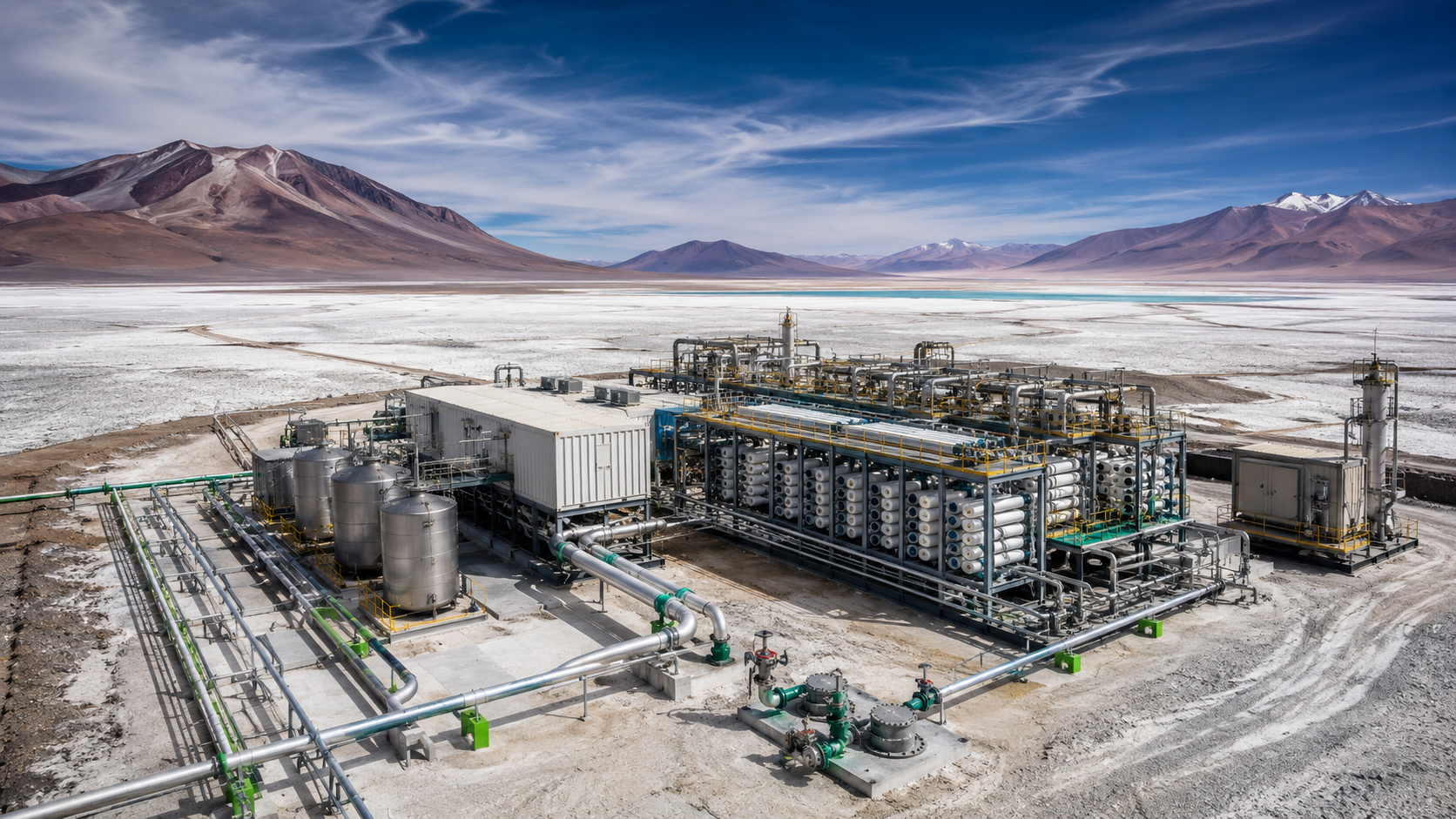
Eni Acquires 25% Stake in Chilean Lithium Project, Plans to Invest Up to $225 Million in Eco-Friendly Extraction Method
-
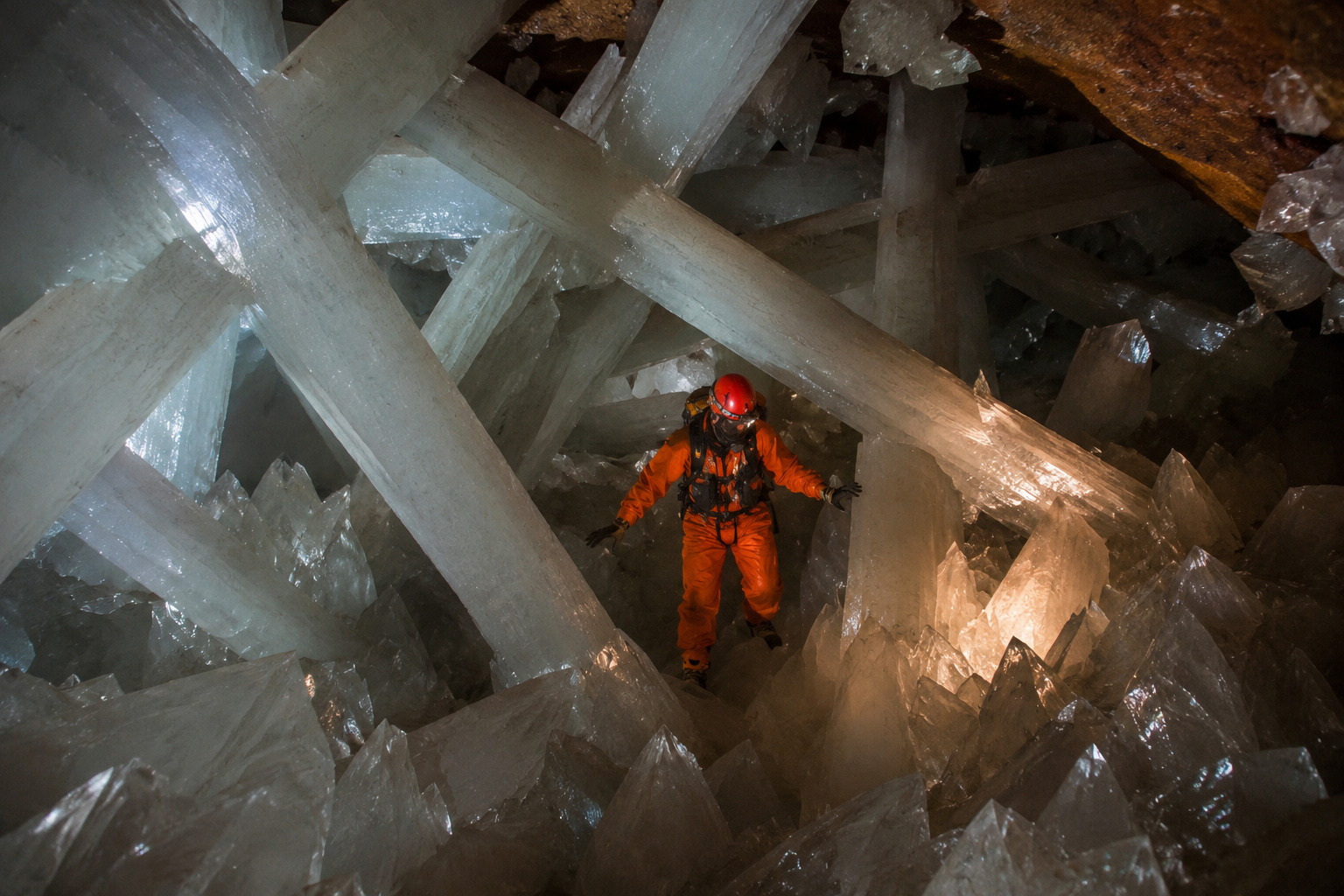
Mexico’s Giant Crystal Cave: A Deadly 58°C Underground Palace with 11-Meter Crystals Formed Over Nearly a Million Years

-
China Dominates Over 90% of Rare Earth Refining, Prompting Global Concerns: Canada and Japan Launch Billion-Dollar Plan to Reduce Dependency and Safeguard Batteries, Semiconductors, and Defense


According to the company, the diamond has exceptional purity and rare transparency, with the potential to produce multiple gems of extremely high commercial value after the cutting process.
“This discovery is a milestone not only for Botswana but for the entire global diamond industry,” declared Lefoko Moagi, Minister of Mines and Energy of the country. “It symbolizes the strength of our sector and the commitment of local workers who keep Botswana’s mining tradition alive.”
Botswana: The Small Country That Defies Giants
With just over 2.5 million inhabitants, Botswana is one of the most stable and prosperous countries in Africa, thanks to mining. Since the discovery of the first diamonds in 1967, the country has built a model of exemplary public management, in which the government holds 50% stake in the mines and reinvests profits in education, health, and infrastructure.
The Jwaneng mine, located 160 km from Gaborone, is considered Botswana’s “subterranean treasure.” Opened in 1982, it produces about 10 million carats per year, with an average value higher than any other mine in the world.
The discovery of the 2,492-carat diamond reaffirmed the country’s role as a world leader in ethical and sustainable mining, in contrast to the troubled past of other African regions marked by so-called “blood diamonds.”
A Stone That Rivals the Largest in History
The diamond found in Jwaneng is one of the largest ever discovered in modern history. Weighing 2,492 carats, it comes close to legends such as:
- Cullinan (3,106 carats), found in South Africa in 1905 — currently part of the British Crown Jewels.
- Lesedi La Rona (1,109 carats), also from Botswana, found in 2015 by Lucara Diamond.
- Sewelô (1,758 carats), another giant stone discovered in 2019, also in Botswana.
The new find confirms that Botswana has some of the richest and deepest deposits on the planet, formed billions of years ago under extreme conditions of pressure and temperature, when diamonds were brought to the surface by kimberlite eruptions, the same type of volcanic rock that gave rise to South African mines in the 19th century.
Million-Dollar Valuation and Uncertain Fate
After being analyzed by gemologists from De Beers and the GIA (Gemological Institute of America), the diamond was preliminarily valued at US$ 50 million, a value that could double after cutting.
Due to its size and quality, the stone cannot be cut using conventional equipment — requiring high-precision laser cutting technology and months of 3D simulations before the first cut.
It is still unclear whether the diamond will be kept as a single piece, like the “Lesedi La Rona,” or if it will be divided into several smaller gems for the luxury market.
Experts estimate that only a fraction of the stone could yield up to 20 diamonds of 50 carats each, all rated “D flawless,” the highest grade on the purity scale.
Sotheby’s and Christie’s have already shown interest in mediating the future sale, and there are rumors that collectors from the Middle East and Asia are closely monitoring the process.
The Economic and Symbolic Impact for Botswana
The discovery of the diamond coincided with the moment when the country sought to diversify its economy after the pandemic. With diamond export revenues representing over 80% of Botswana’s foreign exchange reserves, the government has directed part of the profits to the Pula Sovereign Fund, responsible for investing in technological education and clean energy projects.
According to the Central Bank of Botswana, the commercialization of this specific stone could boost the national GDP by up to 2% and increase public revenue by US$ 30 million just from royalties and taxes.
But more than figures, the diamond has become a symbol of national pride. It represents the success of a model that combines governance, transparency, and social participation — a rare example on a continent historically exploited by foreign powers.
Blood Diamonds Versus Ethical Diamonds
While Angola, the Democratic Republic of the Congo, and Sierra Leone have faced decades of illegal exploitation and armed conflicts financed by precious stones, Botswana has followed a distinct path.
By partnering with De Beers, the country established a strong state structure, ensuring that all extraction is monitored and certified according to the Kimberley Process, which combats the trade of illegal diamonds.
Today, over 70% of the diamonds legally exported from Africa pass through Botswana to be evaluated, cut, and certified. The capital, Gaborone, has transformed into a global hub for cutting, hosting companies from Belgium, India, and the United Arab Emirates.
The new discovery reinforces this position and attracts the attention of investors and luxury sector conglomerates, seeking stones with ethical origins and guaranteed traceability.
A Future Carved in Wealth and Technology
Debswana announced plans to invest US$ 6 billion in the underground expansion of the Jwaneng mine by 2036, prolonging its lifespan by more than 30 years. With advancements in automation and artificial intelligence, production will be controlled by digital systems that optimize ore flow and reduce losses.
Moreover, the country aims to establish itself as a global reference in sustainable mining, using solar energy to power part of its operations and developing environmental rehabilitation programs for degraded areas.
In an interview with Bloomberg, the CEO of Debswana, Lynette Armstrong, stated: “This diamond is not just a jewel of nature — it reflects our commitment to the future. Every carat extracted here represents opportunities, jobs, and dignity.”
The Shine That Was Born from the Sand
Between anonymity and history, the worker who identified the diamond chose not to reveal his name. But behind the scenes of the company, he is treated as a hero. The episode has taken on almost mythical proportions in Botswana, the story of an ordinary man who, while fulfilling his routine, found a treasure capable of illuminating the destiny of a nation.
Just as the Cullinan transformed South Africa in the early 20th century, the 2,492-carat diamond now places Botswana at the center of the global mining and luxury map.
The shine of this stone goes far beyond its monetary value: it reflects the strength, discipline, and pride of a country that has managed to transform its natural riches into shared prosperity.








Great article, thank you for sharing these insights! I’ve tested many methods for building backlinks, and what really worked for me was using AI-powered automation. With us, we can scale link building in a safe and efficient way. It’s amazing to see how much time this saves compared to manual outreach.