





 Portuguese
  English
  Spanish
  3 min of reading
  0 comments


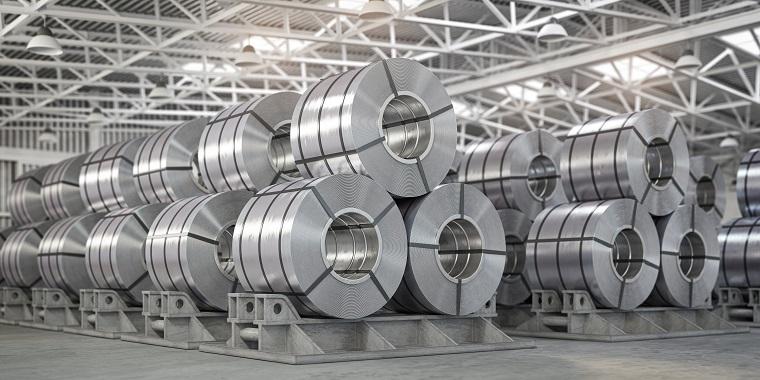
National Industry Adopts Advanced Industrial Technology Aiming for Global Leadership. Industry 4.0 is Already a Reality with Real-Time Data Collected, According to IMARC Survey.
Industry 4.0 is becoming an increasingly tangible reality in the global industrial landscape, driving significant changes and investing in innovative technologies. In recent years, factories have been urged to modernize their processes by integrating automation systems and real-time data collection. In Brazil, this movement seeks to strengthen the sector to compete on equal footing with international powerhouses.
Driven by the Fourth Industrial Revolution, Industry 4.0 brings unprecedented opportunities for digital manufacturing. In addition, the adoption of advanced industrial technology allows companies to improve efficiency and significantly reduce operational costs. It’s a new paradigm, where connectivity and automation are key components to boosting productivity and ensuring the future of the national industry.
The Evolution of Industry 4.0 in the Early 2000s
At the turn of the 2000s, several significant changes occurred: the purchasing power of the population increased considerably, technology, which had been stagnant, began to advance in two or three years what previously took a decade. Furthermore, the product catalog expanded widely. With these transformations, it became essential to establish real connections between production processes and technology, a concept that would come to be known as Industry 4.0.
-
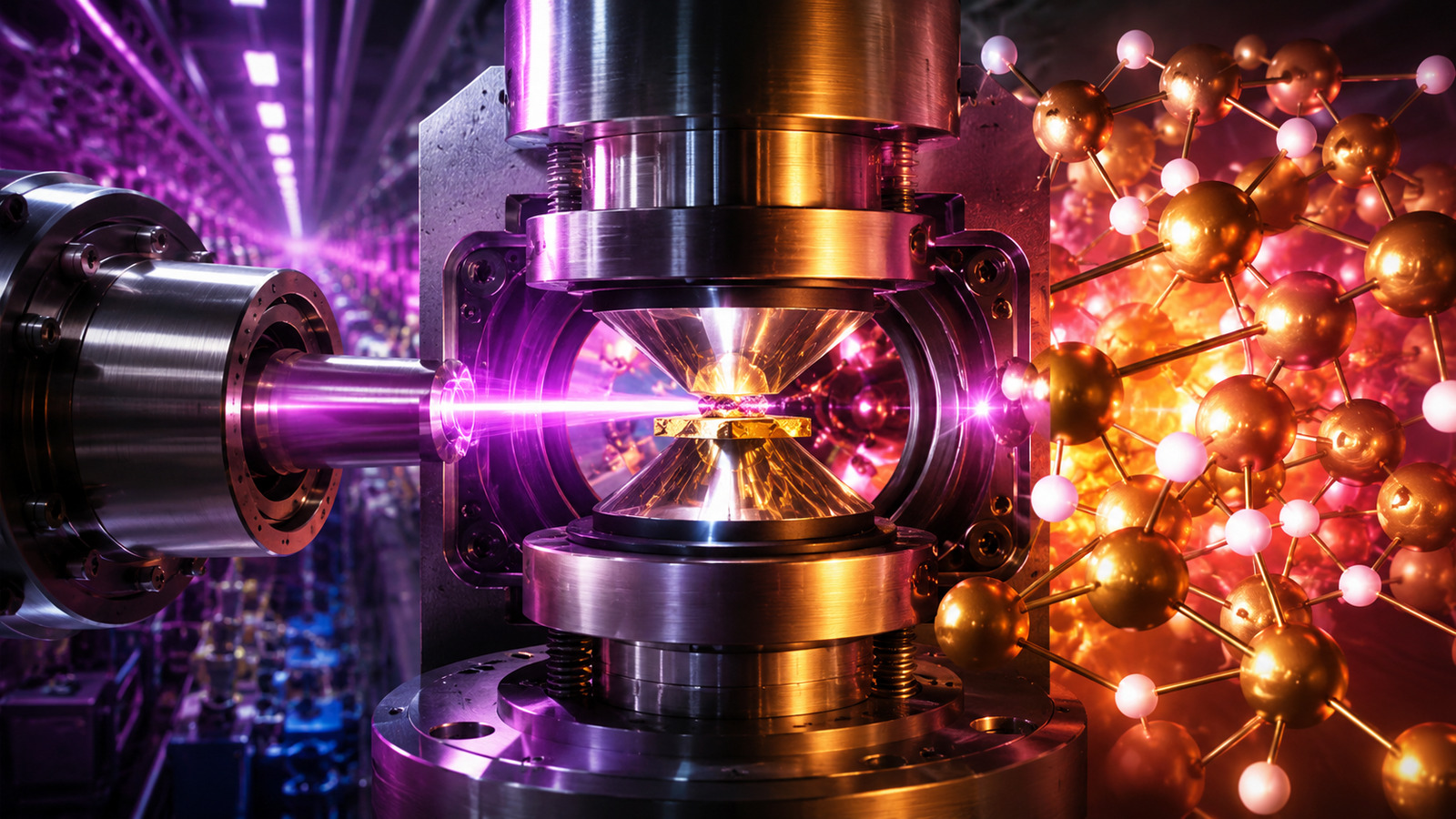
Scientists mixed hydrocarbons with a gold leaf, subjected them to pressure greater than that of the Earth’s mantle and heat above 1,900 °C, and ended up accidentally discovering a new compound of gold and hydrogen.

-
Scientists discover a giant crocodile that lived millions of years ago, measuring over 8 meters, which reigned in the rivers of ancient Kenya and could hunt early humans near the water.
-
After four years under investigation by Cade, Apple indicates that it is willing to negotiate an agreement to enable contactless Pix payments without charges on iPhones, as revealed by Lauro Jardim’s column in the newspaper O Globo in this competition dispute.

-
Anvisa orders the recall of a popular magnesium supplement throughout Brazil and mandates immediate suspension after identifying a compound not authorized by sanitary legislation.




Technology and Automation Transform the Industry
Currently, data collection through the Internet of Things (IoT), the use of Artificial Intelligence to develop automation flows, and the analysis of real-time information have transported the industrial sector to a much more dynamic environment. Industry 4.0 is already a reality in various factories around the world. According to a survey by International Market Analysis Research and Consulting (IMARC), between 2023 and 2028, the annual growth rate of technological solutions is projected to reach 21%, exceeding the 18.8% observed annually from 2017 to 2022.
Benefits of Industry 4.0 in Production Processes
For Marcelo Lonzetti, Director of ztrax and RTLS technology specialist, the great advantage of real-time monitoring is the amount of data collected, allowing managers to assess each phase of the production process, identify patterns, and adjust their production strategies. According to Lonzetti, ‘working with this real-time information allows companies to use all inputs in the best possible way and increase productivity’. Every aspect can be controlled, from dock efficiency to component location.
Internal Security and Advanced Technology
Another crucial aspect justifying the rapid adoption of advanced industrial technology in sectors such as steel plants is the increase in internal security. Areas for unloading materials, cooling coil sectors, and other internal segments can be considered danger zones for employees. The RTLS system has the ability to create alerts with virtual fences for these critical details. ‘The traceability of materials and equipment is what most attracts steel companies, without a doubt. However, the system can also be used to control forklift movements and even create restricted access, significantly increasing internal security’, concludes Lonzetti.
The Future of Industry 4.0 in Obsolete Operations
With the rise of Industry 4.0, archaic operations are becoming increasingly obsolete. The implementation of digital manufacturing systems and other tools of advanced industrial technology enables the transition to more efficient and safer methods. Adapting these new technologies can represent a significant leap in operational efficiency while reducing the risks associated with hazardous areas in factories. The survey by International Market Analysis Research and Consulting suggests that the growth trend in the adoption of these technologies is just the beginning of a profound transformation in the industrial sector.
Over the next few years, there is substantial expectation regarding the increase in data collected. With this, the need for advanced industrial technology and the prevalence of the Fourth Industrial Revolution become even more evident, shaping the future of the global industry in unprecedented ways.
Source: © ZTRAX Press




Be the first to react!