






 Portuguese
  Spanish


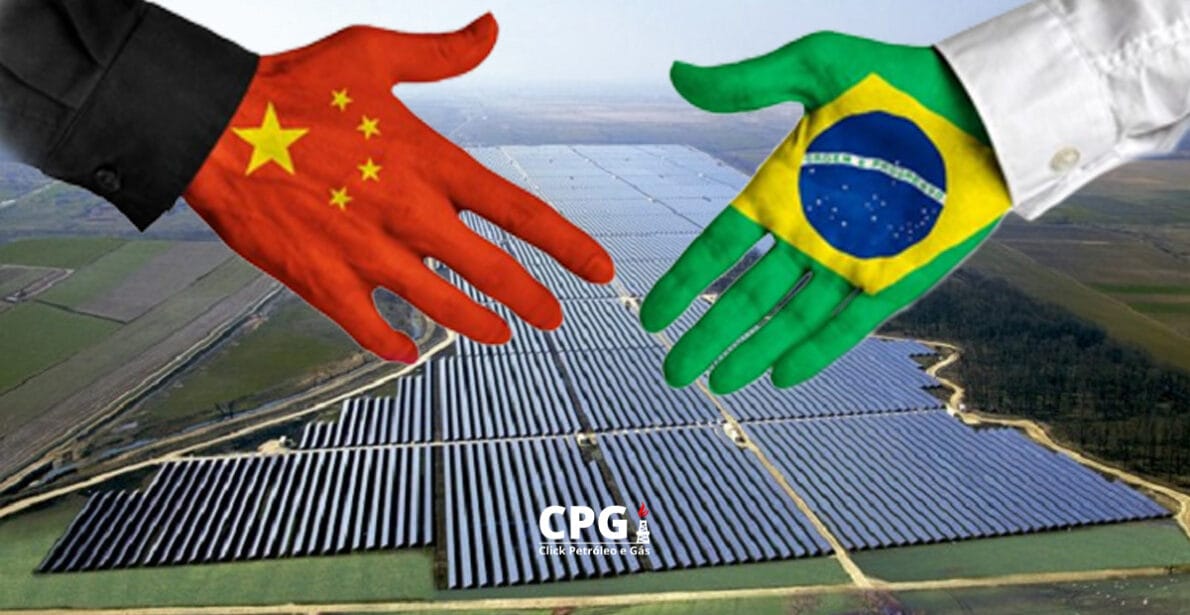

When It Comes to Solar Energy in Brazil, It Is Inevitable to Think About the Overwhelming Domination of a Specific Group. But Who Could Imagine That This Hegemony Would Be Nearly Exclusively China?
The Solar Energy Market in Brazil Is Currently Dominated by Chinese Companies, Which Control an Impressive 90% of Solar Panel Sales in the Country – the data released reflects exclusively the Solfácil database, as it was collected from financing requests made on the platform during the second quarter of the year.
This information contrasts sharply with the situation of WEG, one of the largest Brazilian manufacturers, which holds only a 1% market share in this rapidly growing market.
According to the released data, the Chinese company Deye leads with 22% of the sales volume, followed by Goodwe, which holds 18% of the market and specializes in large projects.
-
At 14 years old, she worked in a factory in Hong Kong, studied economics abroad, and then entered the Chinese real estate market, which helped change the landscape of Beijing.

-
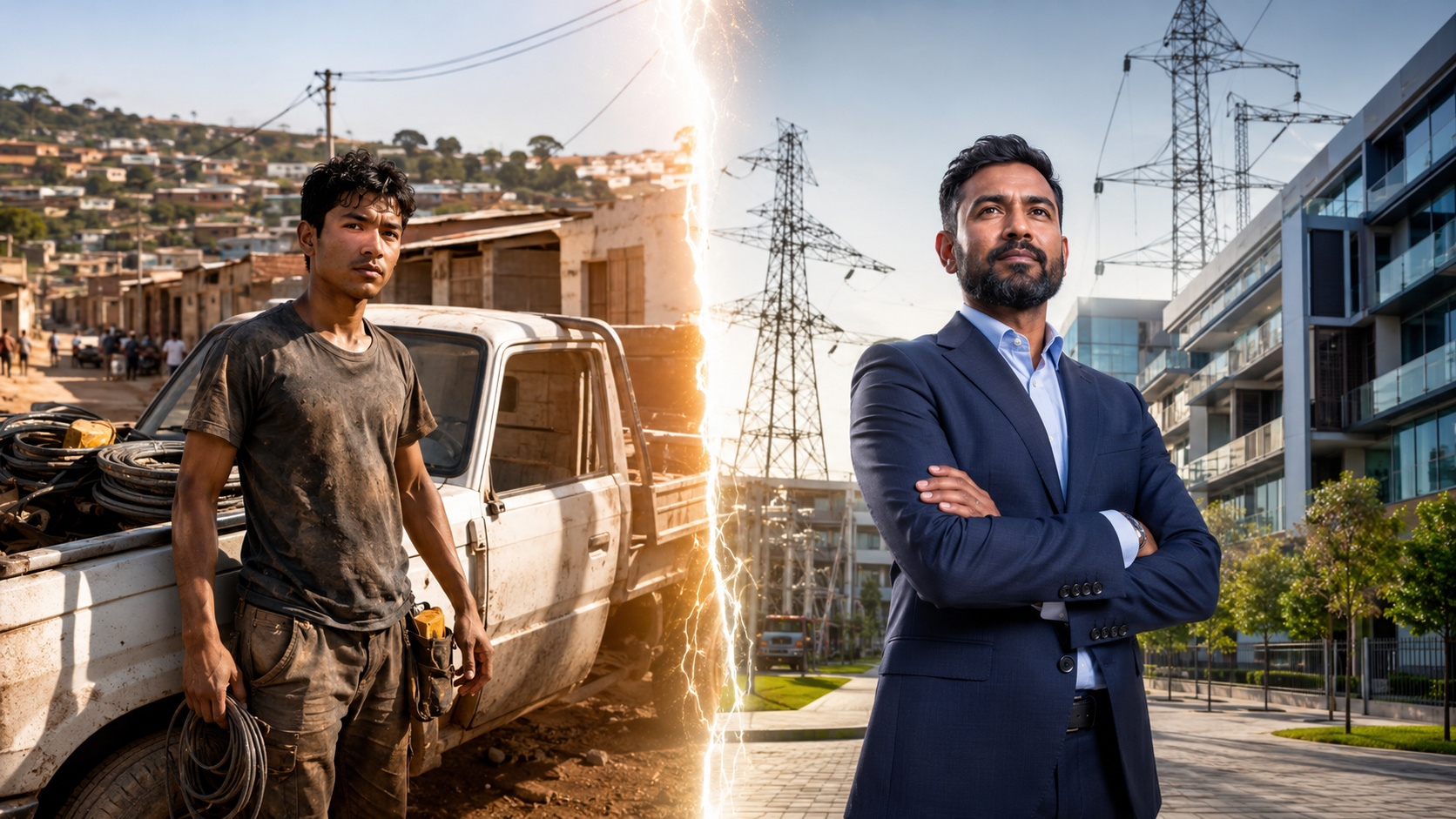
Fired during apartheid and with a little borrowed money, an electrician started with a borrowed truck and transformed electrical services into a group connected to energy, real estate, and infrastructure in South Africa.
-
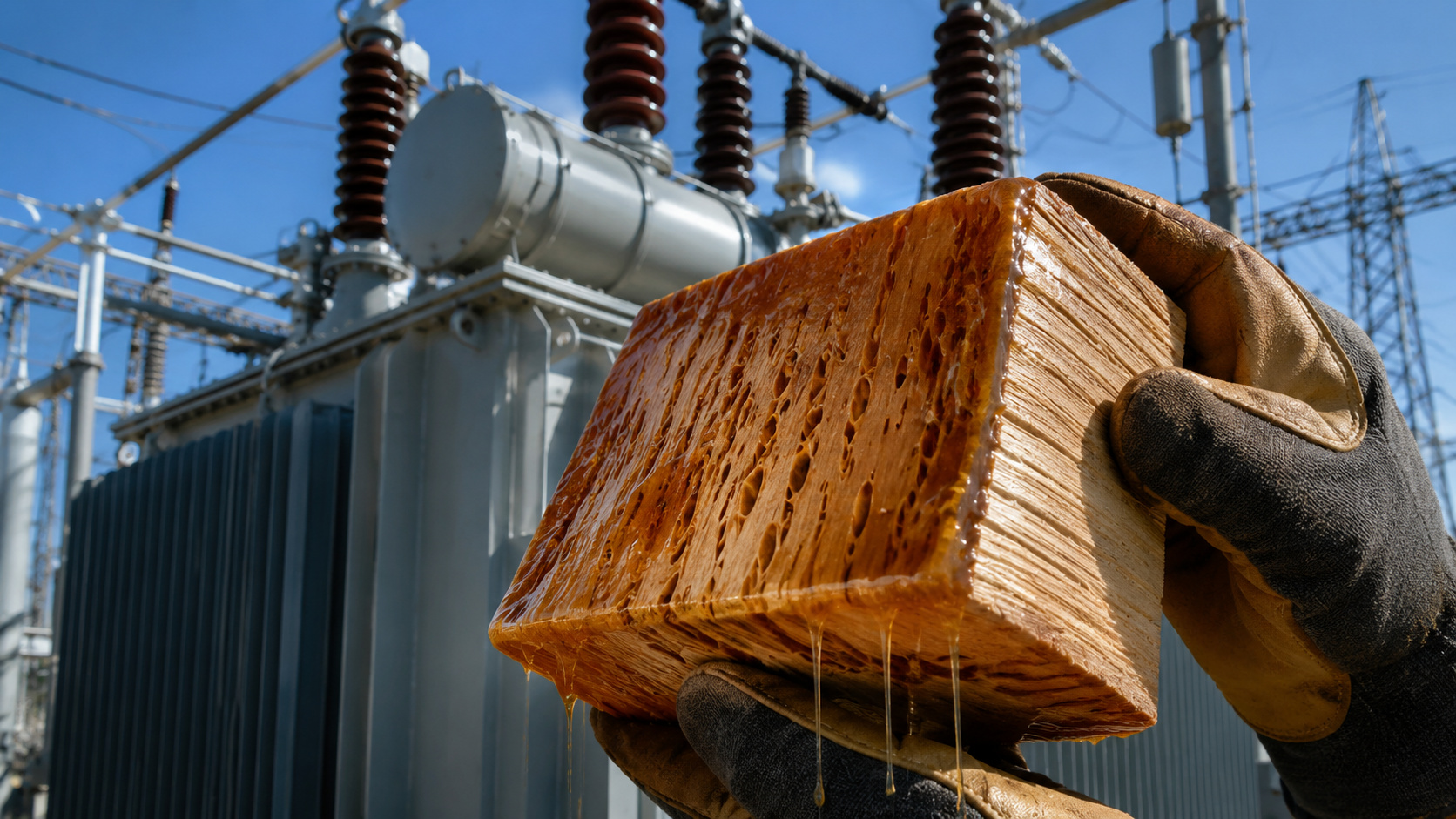
Wood has ceased to be just a construction material in Yale research and has become insulation for electrical transformers that face intense heat, aging, and increasing pressure from the renewable energy-powered grid.
-
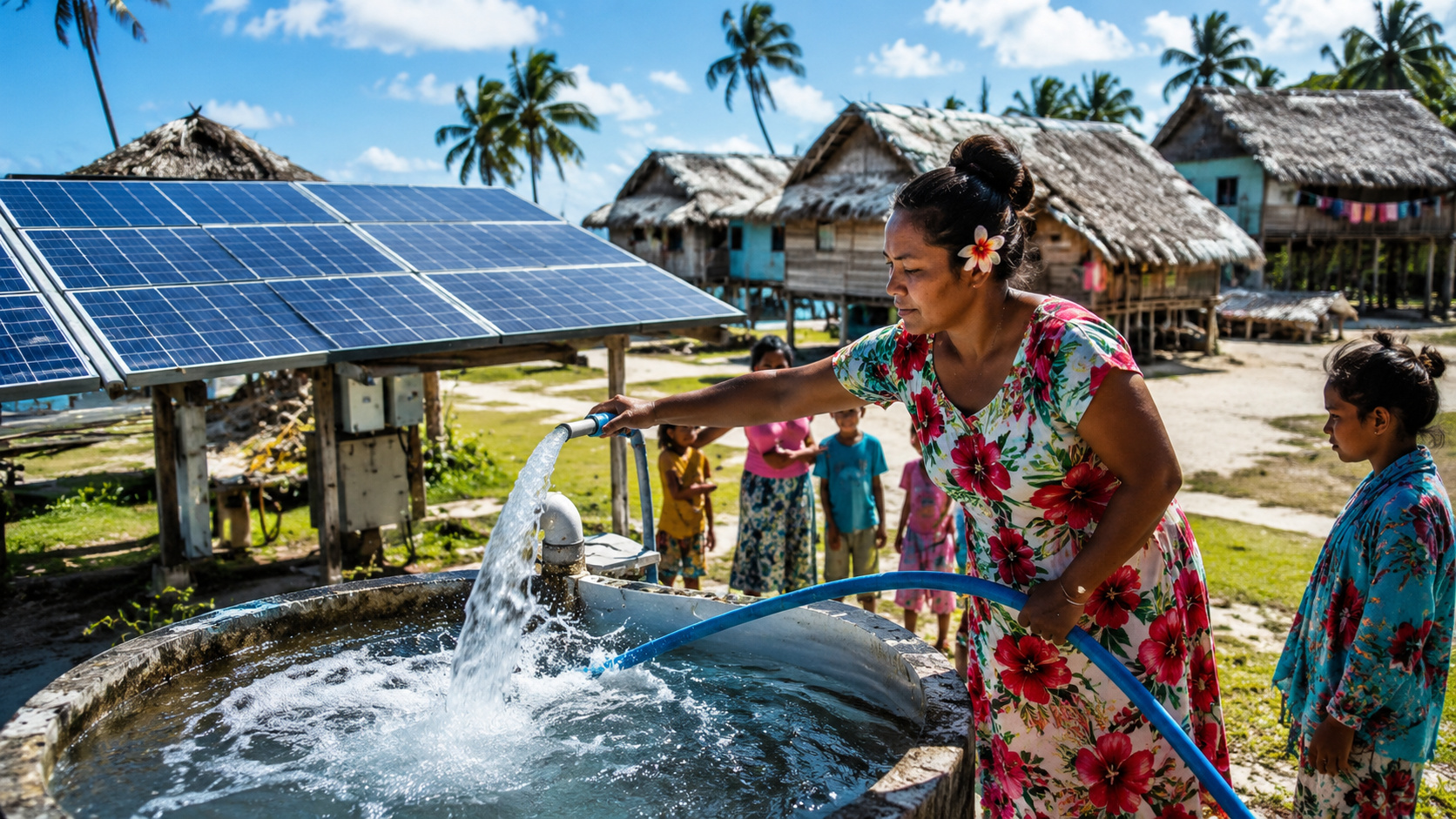
More than 1,000 residents of a remote island in Kiribati now have clean water and electricity with solar systems operated by the community itself.

These companies have benefited from the increased demand for sustainable energy in Brazil, driven by ongoing tax incentives and falling production costs.
Brazil Is Seen as One of the Major Global Powers in the Implementation of Solar Energy Projects, emphasizes Fabio Carrara, CEO and founder of Solfácil, in an interview with the Folha de S.Paulo newspaper. He highlights that “with the continuous decrease in costs, more people are expected to invest in this sustainable energy source.”
Indeed, the price of watt-peak (Wp) fell 9% in the first half of 2024, reaching an average of R$ 2.66. This decrease is strongly linked to the reduction in polysilicon costs, a key material in the manufacturing of solar panels.
The cited research also reveals regional price variations, with Rondônia and Roraima showing the lowest prices, R$ 2.30 and R$ 2.34 per Wp, respectively. The case of Roraima is particularly noteworthy, as it recorded a 15% drop in prices between the first and second halves of the year. In contrast, Minas Gerais was the only state to record a 2% increase in the price of Wp, closing the semester with values above R$ 3.00.
How to Compete with China
These data raise an intriguing question: how can a Brazilian company compete in a market so dominated by foreigners? WEG, with only a 1% share, faces significant challenges in expanding its presence.
Competition is fierce, and Chinese companies are establishing a difficult-to-overcome advantage due to their ability to offer more competitive prices and advanced technologies.
However, there is a path for WEG and other Brazilian companies. Investing in technological innovation, expanding partnerships, and seeking underexplored market niches are strategies that can help reverse this scenario of foreign dependence.
Moreover, the growing awareness of the importance of sustainability may serve as a driver for the adoption of renewable energy by Brazilian consumers and companies.
The question remains: will Brazil be able to reverse this trend of foreign dominance and establish itself as a leader in solar energy production? The answer depends on a variety of factors, including government policies, technological advancements, and changes in consumer behavior.
What do you think about this Chinese “invasion” in Brazil? Good or bad for our country? Leave your comment!







A WEG nunca vai conseguir competir com o sistema atual que não permite integradores vender seu produto. Estou no mercado a 5 anos e WEG nunca entrou em contato e nem responde aos e-mail. RESULTADO: Continue sem vender.
Taxad, ta jeito que vc gosta.. Brasil infelizmente só vai ficando cada vez mais atrasado no cenário mundial, com essa insistencia de carga tributaria alta.
a concorrência chinesa entre si é enorme e com isso fará cair o preço drasticamente de painéis solares o que com certeza reduzirá a qualidade dos painéis e isso impactara o consumidor pois ao invés desses painéis durarem 25 anos como previsto os mesmos durarão bem menos aumentando o custo final em relação ao tempo de duração.