Portuguese
  Spanish


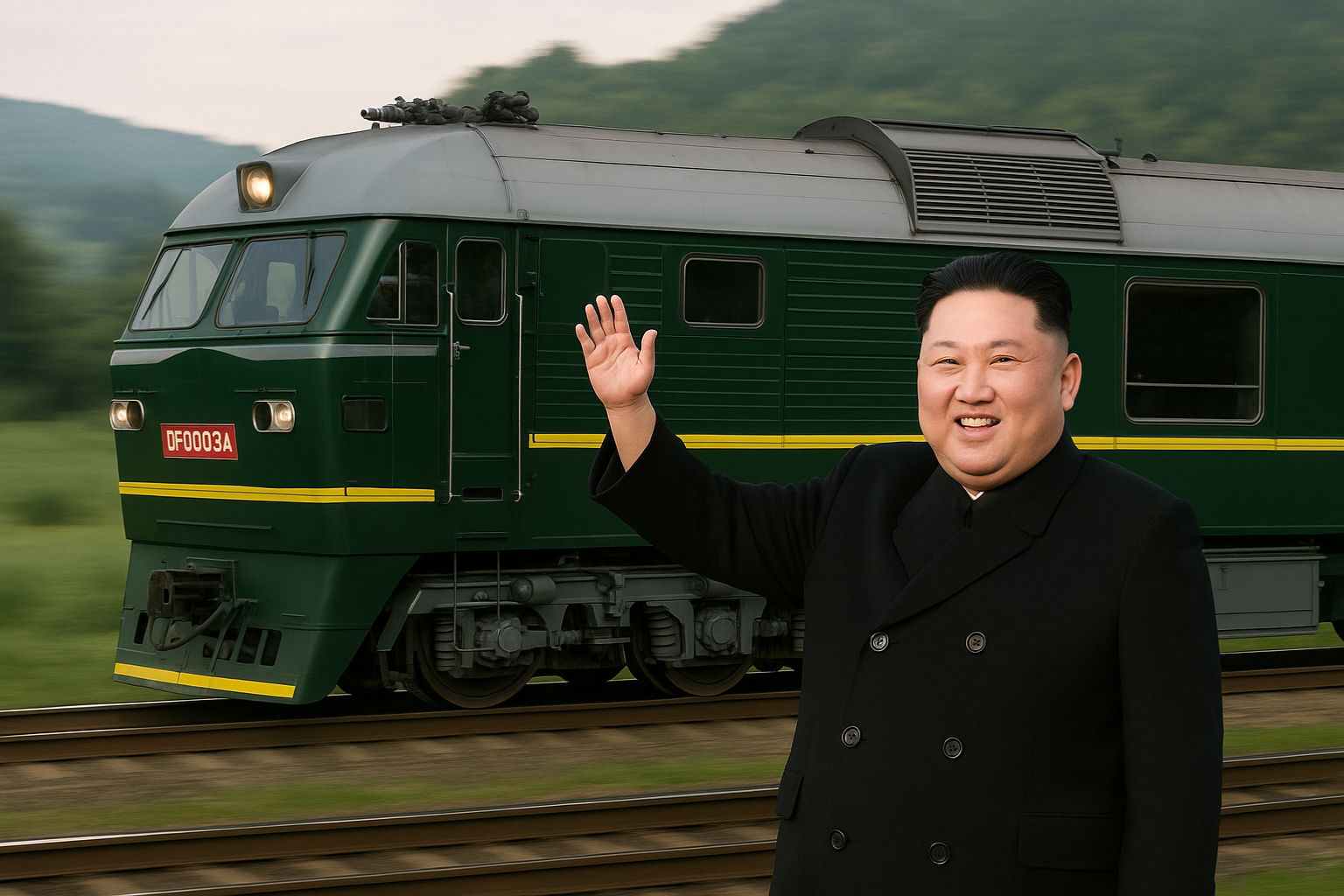


Kim Jong-un’s Armored Train Is a Symbol of Power and Security in North Korea. Discover the History, Structure, and Diplomatic Importance of the Train Used by the Kim Family.
The North Korean dictator Kim Jong-un arrived in Beijing on Tuesday (2) aboard one of the world’s most enigmatic transports: his famous green armored train, used by Pyongyang’s leadership for decades. The vehicle, which has traveled through countries such as Vietnam, Russia, and China, is shrouded in mystery and considered a central piece of the Kim dynasty’s mobility and security strategy.
Since taking power, Kim has utilized the train for strategic diplomatic trips, maintaining a tradition that dates back to his grandfather, Kim Il-sung, the regime’s founder, and his father, Kim Jong-il. Both preferred rail transport over the aging and unreliable North Korean air fleet for long-distance travel.
Structure and Features
Kim Jong-un’s armored train is not just a means of transportation, but an extension of the North Korean government on the move. Composed of about ten to fifteen carriages, it houses private areas for the dictator, meeting carriages, a restaurant, communication facilities, space for transporting armored vehicles, and even medical accommodations.
-
How to Prevent Brown Recluse Spider Bites: Common Hiding Spots and Free Tips to Reduce Risks

-
Natto: The Unusual Japanese Superfood Gaining Popularity on Social Media and Driving Record Exports
-
Brazilian Mayor Goes Undercover as Homeless for 24 Hours to Assess Public Services

-
15-Year-Old Entrepreneur Malu Lira Publishes 20 Children’s Books on Financial Education, Earns $500,000, and Expands Her Project to the Amazon Rainforest




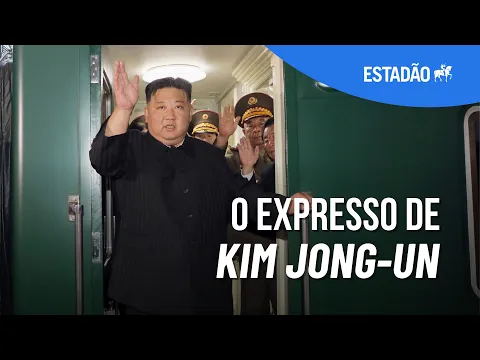

According to regional railway transport specialists, the trains can reach speeds of up to 45 km/h in North Korean territory. Once crossing into China, the speed increases to 80 km/h, as the train is pulled by Chinese locomotives. The slow pace is explained by the extra weight of the armor, which provides resistance against explosives and external attacks.
Images released by North Korean state media show details of the interior, including an office with ornate wooden panels, golden decorations, and the country’s flag. There are also records of Kim using the external space of the train during breaks to smoke, accompanied by senior officials of the Workers’ Party.
A Legacy of the Kim Family
The armored train has become a symbol of power and tradition among North Korean leaders. Kim Il-sung already used similar trains for his official trips, a practice intensified by his son, Kim Jong-il, who widely used the vehicle for travel to Russia and China. The current leader has maintained the practice, reinforcing the image of political continuity and connection with his predecessors.
The train’s use also holds propaganda value. Frequently, state media pieces display the leader traveling across the country aboard the train, reinforcing the image of closeness to the people and secured leadership.
International Adaptations
The use of the train for international trips requires technical adaptations. During Kim’s visit to Vladimir Putin in 2023, it was necessary to reconfigure the wheels to fit the Russian railway system, which uses different measurements than North Korea’s. During visits to China, the vehicle is connected to local locomotives, which are responsible for pulling the train across the neighboring territory.
In the most recent meeting in Beijing, six Chinese carriages were connected to the North Korean train, possibly transporting diplomats and officials who accompanied the leader from the border.
Security and Symbolism
The main reason for the preference for the train, despite its slow pace, is related to security. Air transportation in North Korea is limited and considered risky for international trips, while the armored train offers a reinforced structure against attacks, also allowing the transport of a large entourage.
For specialists, the vehicle functions as a true “bunker on tracks.” In addition to withstanding explosions, it provides a controlled environment for meetings, secure communications, and even medical treatment in case of emergencies.
The Diplomatic Role
More than just a security issue, Kim Jong-un’s armored train is a tool of diplomacy. It has been used in crucial meetings with Chinese, Vietnamese, and Russian officials, serving as the stage for strategic bilateral discussions. On many occasions, the mere fact that the dictator chooses the train as a means of transport has been interpreted as a sign of prestige or political intent.
The vehicle is part of a set of symbols reinforcing the North Korean regime’s narrative of power, aligning tradition, protection, and propaganda. At the same time, it arouses curiosity in the international landscape, as its usage is rare in the contemporary world where political leaders typically opt for planes for long-distance travel.
Kim Jong-un’s Armored Train
Kim Jong-un’s armored train remains one of the most striking images of the North Korean regime. Luxurious, slow, and highly protected, it reflects not only the dictator’s concern for security but also the continuity of a family tradition that intertwines with the very political history of North Korea.
More than transportation, the train is a symbol of power, propaganda, and diplomacy. At each stop, Kim reaffirms his image as a leader surrounded by mystery but firm in guiding an isolated country that is simultaneously strategic in the international arena.