






 Portuguese
  Spanish


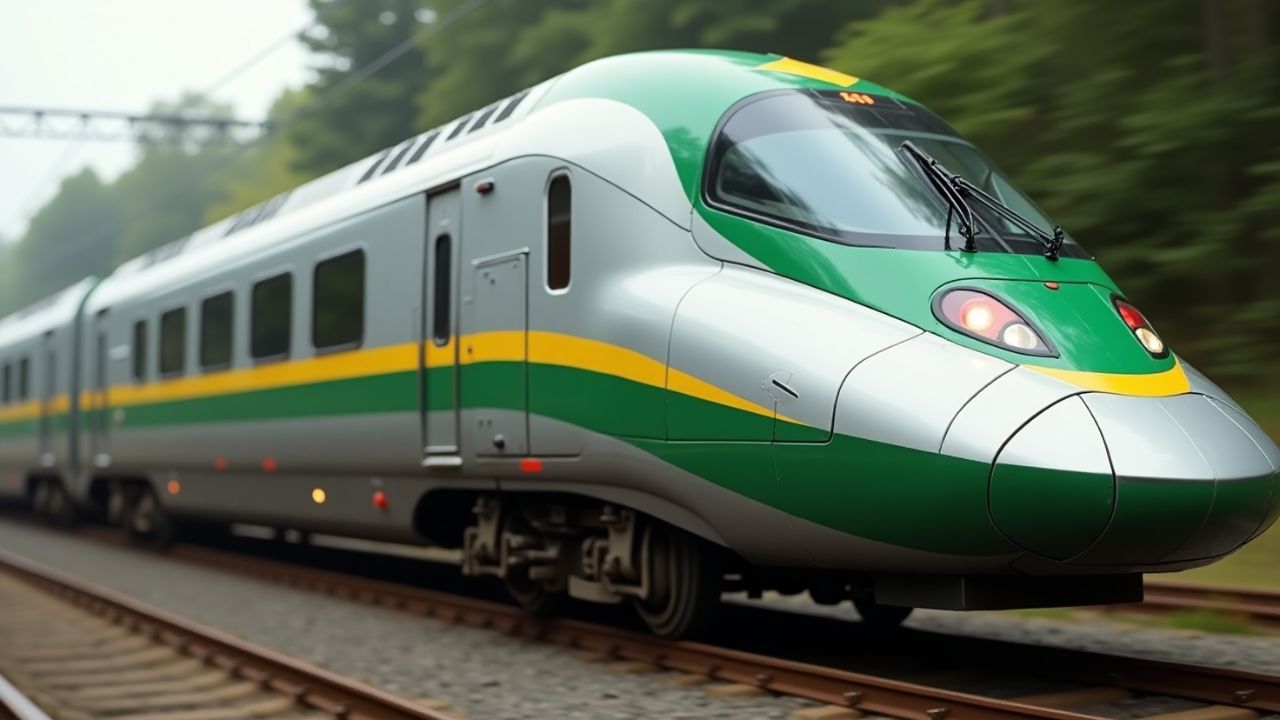


Santa Catarina Is About to Take a Big Step in Modernizing Its Railway Infrastructure. The State Government Has Opened a Public Consultation to Discuss a Bill That Could Enable the Construction of a Railway Over 300 Kilometers Long, Connecting Chapecó to Correia Pinto in the Serrano Plateau. If Realized, This Project Promises to Transform Transportation in the State and Boost the Economy of Western Santa Catarina.
The railway project emerges as an efficient alternative to strengthen Santa Catarina’s logistics. Today, cargo transport in the state predominantly relies on highways, which raises costs and overloads the road network. With the new railway, it is expected to optimize the circulation of goods, reduce operational costs for companies, and open doors for new investments in the region.
The public consultation is a fundamental step in this process, as it allows society to express its opinions on the project before it advances to the next stages. The goal is to ensure that the railway meets the actual needs of the state and, mainly, the population directly impacted.
Chapecó as a Strategic Center for the Railway Project
The choice of Chapecó as the starting point of the railway was no accident. The city is one of the most important economic hubs in the state, with a strong presence in agribusiness and industry. However, it faces significant logistical challenges to move its production to other regions and consumer markets.
-
U.S. City Builds Tiny Home Village on Water Company Land to House 136 Homeless People: Inside the Social Housing Units

-
Woman Turns Shipping Container into Home, Embraces Rural Life to Cut Monthly Expenses to Just Over $330
-
France Revamps 530 Social Housing Units with Large Balconies and Glass Facades Without Demolishing Existing Buildings

-
Facing high rent, couple transforms parents’ garage into a fully functional apartment, creating a complete home at a fraction of the market cost.




With the implementation of the railway, Chapecó could benefit from a more efficient and cheaper means of transport, making its products more competitive. The connection with Correia Pinto opens up new possibilities for integration with other regions and even with ports, facilitating exports and attracting investors.
What’s at Stake in the Public Consultation
The bill under discussion is part of a broader plan by the government of Santa Catarina to take over the management of its own railways. Today, the railway infrastructure depends exclusively on the federal government, which often hinders new investments and improvements. With this change, the state aims to enable projects without relying on federal decisions.
Popular participation is essential to ensure that the project is well structured and meets the real needs of the population. Any citizen can submit suggestions or criticisms through the official portal of the state government (spaf.sc.gov.br). This is a unique opportunity to influence the future of transportation in Santa Catarina.
Expected Benefits for Chapecó and the Region
If the railway comes into operation, the benefits for Chapecó and all of Western Santa Catarina will be significant. Among the main positive impacts, we can highlight:
Lower Logistics Costs: railway transport is cheaper than road transport, which would make local products more competitive.
Less Truck Traffic on Highways: the railway would help relieve heavy traffic on the roads, reducing accidents and maintenance costs.
Attraction of Investments: with a modern and efficient infrastructure, new companies may settle in the region, generating jobs and strengthening the local economy.
These factors make the project not only viable but essential for the growth of Santa Catarina.









Com o crescente desenvolvimento do País, estradas ficaram depreciadas, por excesso de veículos pesados, e lotações de veículos de passeio, com constantes acidentes. Sem o Desenvolvimento ferroviário, o sistema rodoviário vai colapsar. Nem por isso, ninguém vai deixar de ter o seu automóvel urbano.