






 Portuguese
  Spanish
  4 min of reading
  1 comment


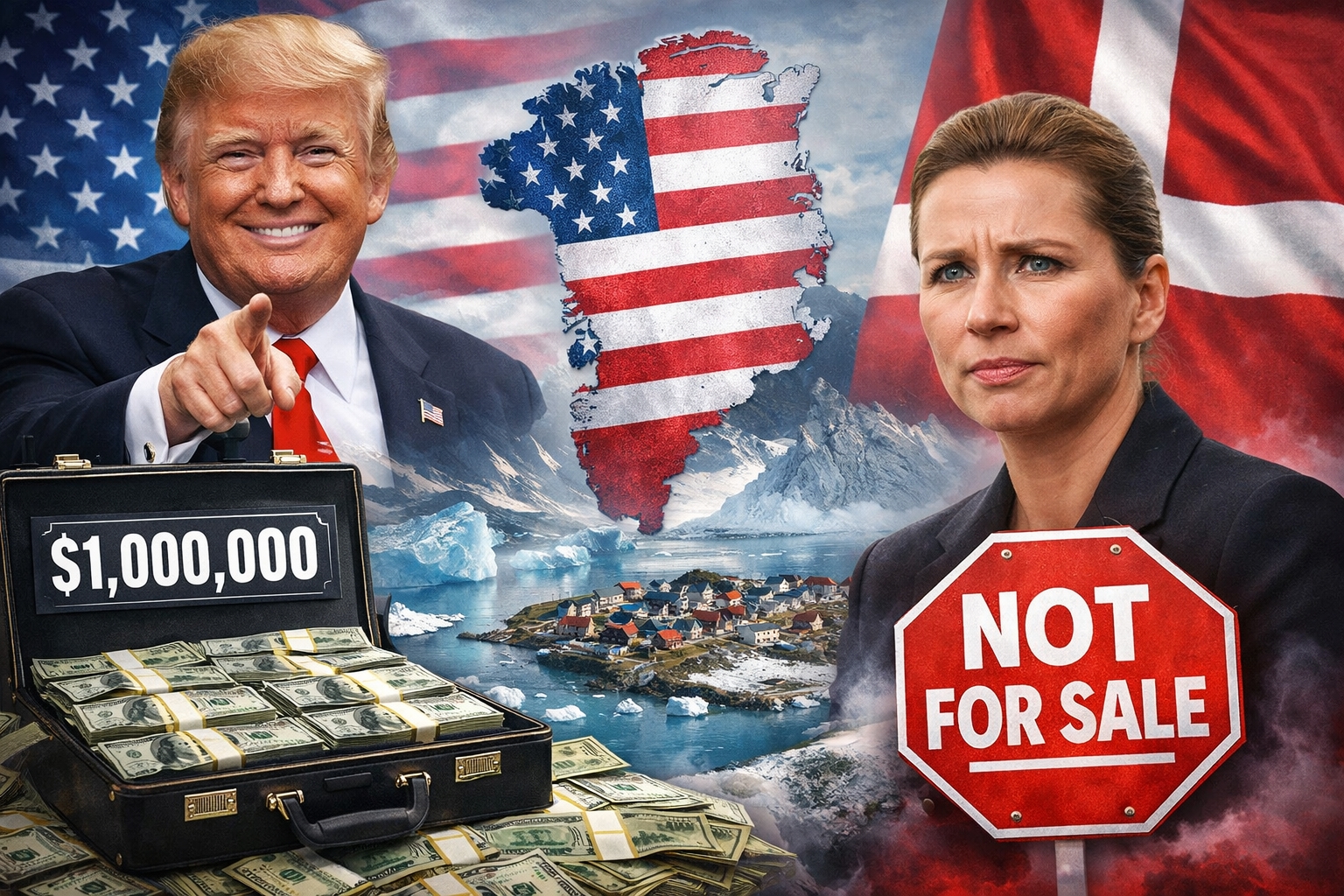

Trump Considers Paying Up to US$ 1 Million Per Inhabitant to Integrate Greenland Into the USA and Denmark Reacts Saying It Is Not for Sale
Greenland has returned to the center of one of the planet’s most sensitive geopolitical discussions, with attention drawn to the magnitude of the value involved. Donald Trump stated that he is considering paying up to US$ 1 million, about R$ 5.3 million, for each inhabitant if the island agrees to become part of North American territory.
The information was attributed to a publication by Sputnik Brasil, based on a report from the Daily Mail. Even without a formal announcement of a plan, the mere circulation of the idea has already created immediate political and diplomatic impact.
The detail that drew the most attention is the logic put on the table. In practice, the proposal suggests an unprecedented individual bonus to facilitate a territorial change with direct effects on sovereignty, self-determination, and relations in the North Atlantic.
-
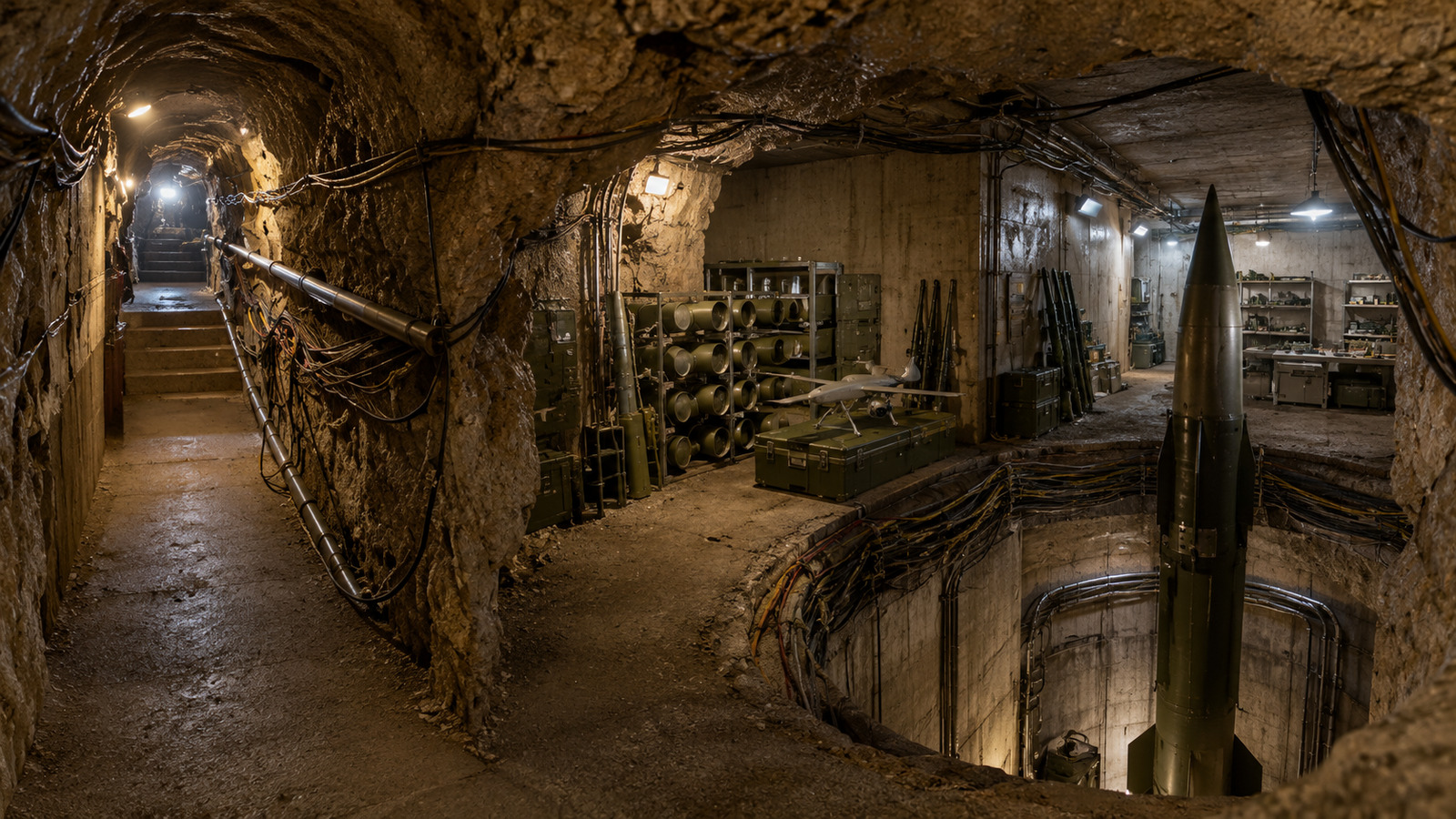
Israel finds Hezbollah militarized tunnel over 200 meters long under village, with 4 missile launch shafts, 12 chambers, anti-tank missiles, drones, and weapons depots at a depth of 25 meters.

-
Ukraine launches largest drone attack on Moscow since 2022, Russia claims to have intercepted nearly 200 aircraft near the capital, Kapotnya refinery targeted again, and offensive reignites alert about war reaching the Russian energy heart just a few kilometers from the Kremlin.

-
Truck drivers, freight, and fines from 2022 take center stage in politics: Chamber approves MP with amnesty, mandatory tracking by CIOT, million-dollar penalties, and new minimum wage for those who spend more than 24 hours on the road.

-
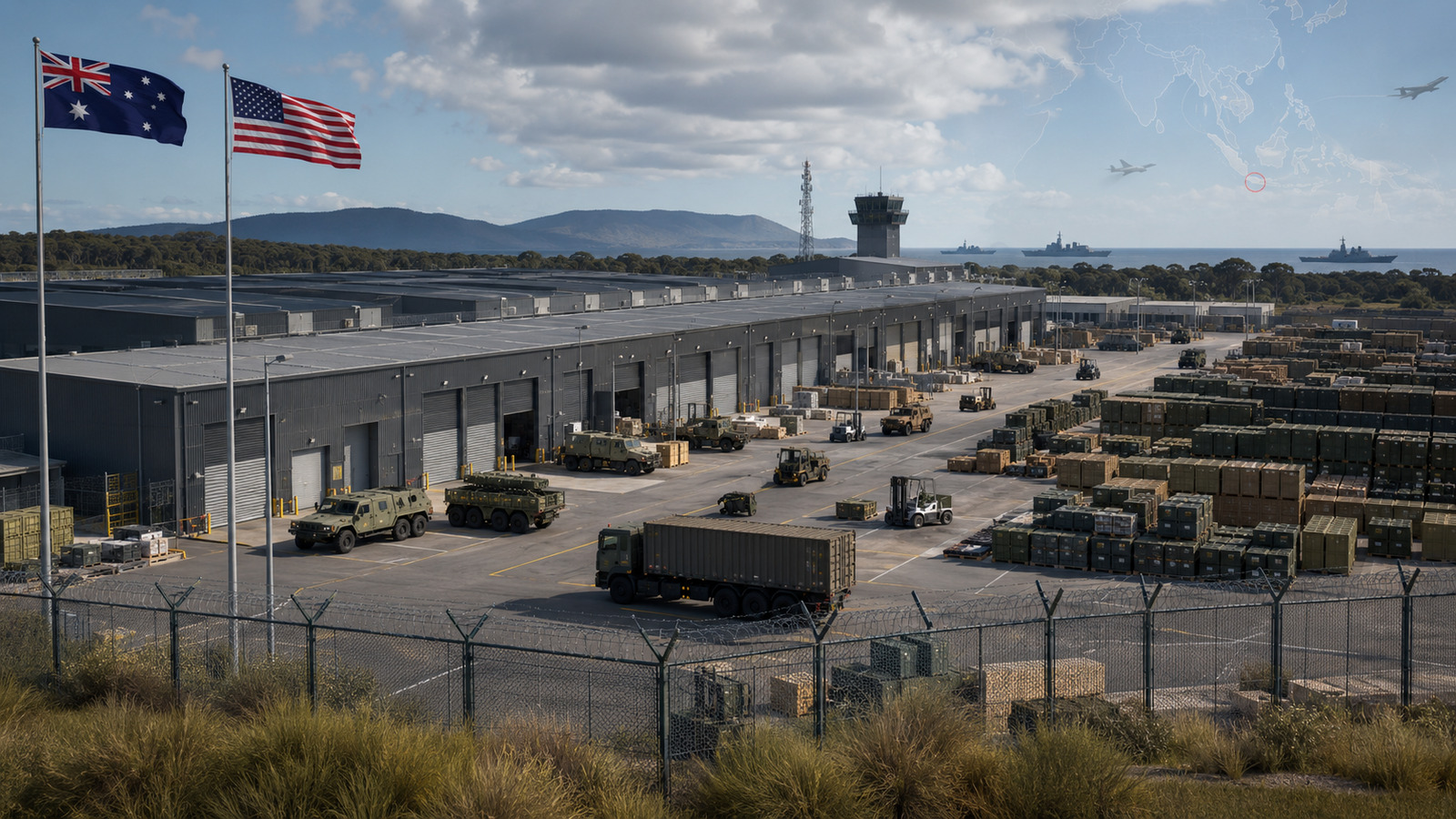
China off the radar: US plans mega $30 million weapons depot in Australia, out of reach of most Chinese missiles, with full capacity expected by 2028


US$ 1 Million Bonus Proposal Puts Greenland Back on the Global Radar and Becomes an Immediate Issue
Trump’s statement brought Greenland back as a strategic target in the Arctic, just at a moment of reconfiguration of forces in Europe and within NATO. The issue ceases to be merely diplomatic and begins to be treated as a security matter.
After a meeting with Mark Rutte, NATO’s Secretary General, Trump said he seeks a peaceful and eternal agreement to gain control of the territory, described by him as vital for U.S. security.
The phrase “peaceful and eternal agreement” is the type of statement that changes the tone of the debate because it suggests an attempt to give a definitive character to an ambition of control over the island.
Trump’s Billion-Dollar Proposal Affects Sovereignty and Self-Determination of a Territory Linked to Denmark
Greenland belongs to the Kingdom of Denmark and has its own internal political dynamics. Therefore, any idea involving territorial incorporation generates immediate impact, even if it is still in the realm of possibilities.
By placing values directly targeting the local population, the proposal creates political pressure and puts sovereignty and the right to decide the territory at the center of the debate.
What seemed impossible gains traction precisely by involving two sensitive points at the same time, territory and people being treated as bargaining chips.
Denmark Reacts and Says Greenland Is Not for Sale, and Local Leaders Reinforce Message
The response from Copenhagen came quickly. According to reports, the Danish government declared that Greenland is not for sale.
Local leaders also reinforced that there is no room for ideas of annexation, insisting that the decision about the future of the territory cannot be pushed by external pressure.
The diplomatic shock is highlighted by the contrast: on one side, the language of purchase and control; on the other, the reaffirmation of sovereignty and self-determination.
Meeting with Mark Rutte Puts NATO at the Center of the Backdrop and Expands the Scope of the Statement
The timing of the statement adds weight to the message. Trump spoke after meeting with Mark Rutte, directly connecting the topic of Greenland and NATO, something likely to resonate among allies.
Greenland has been treated as vital for U.S. security, repositioning the discussion into the military and strategic arena, not just the diplomatic field.
In a scenario of competition for routes and presence in polar areas, the island is seen as a key piece for monitoring and regional influence, increasing the risk of recurring tensions.
Suspension of Tariffs Against European Allies Appears as a Tactical Move in Parallel to Pressure in the Arctic
According to reported information, Trump stated that he has suspended plans for tariffs against European allies. The gesture is notable because it signals commercial easing while simultaneously placing a highly sensitive issue back on the geopolitical chessboard.
The contrast is direct: less economic friction on one front, more territorial tension on another. This could pressure Europe in different ways, easing trade while causing discomfort in security and sovereignty.
The immediate impact was felt in public debate, as Greenland is once again treated as an object of strategic dispute, rather than merely as an autonomous territory linked to Denmark.
In the end, even without a formally announced plan, the idea of a bonus of up to US$ 1 million per inhabitant has already elevated the diplomatic cost of the issue, reignited the dispute in the Arctic, and put sovereignty and self-determination on a collision course with a logic of control that continues to provoke global reaction and attention.





Tiro meu chapéu, o cara conseguiu ser odiado por pessoas do planeta inteiro e até mesmo dentro do próprio país em apenas 2 anos, os outros 2 restantes estão apenas confirmando isso.