






 Portuguese
  Spanish
  5 min of reading
  2 comments


Tensions Between Brazil and United States Increase with Tariffs, Criticism of Trump and Lula’s Approach to the BRICS, While Economists Warn of Risks of Sanctions, Capital Flight and Loss of Investor Confidence.
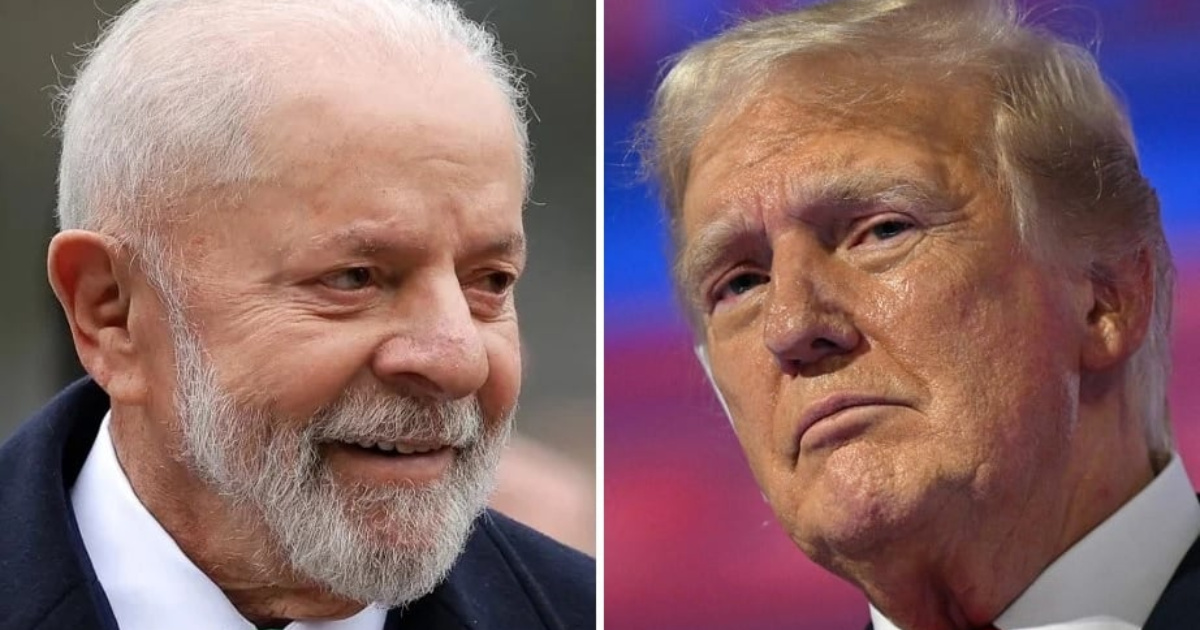
The relationship between Brazil and the United States is experiencing a phase of increasing tension, marked by diplomatic friction, higher tariffs, and the risk of sanctions.
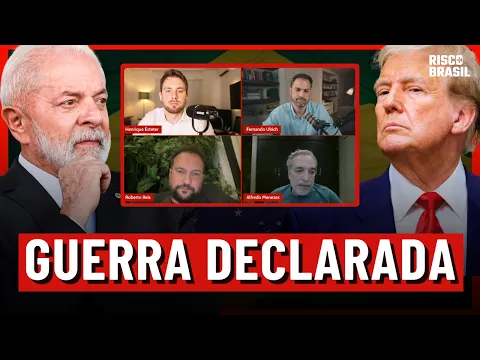
The topic was discussed in the first episode of the podcast Risco Brasil, from the Market Makers channel, which aired on Thursday night (28) with the participation of Henrique Esteter, Alfredo Menezes, Roberto Reis, and Fernando Ulrich.
The experts pointed out that the country may suffer significant losses by distancing itself from traditional Western partners and intensifying its approach to the BRICS bloc.
-
Brazilian Joins Homeownership Consortium, Faces Decade of Dual Payments Totaling $141,000, Surpassing Traditional Mortgage

-
Land Rover to Halt Production in July, Putting 371 Jobs at Risk, as Chinese Automaker Negotiates to Convert Factory to 100,000 Vehicles Annually by 2027

-
Mexican Pest Threatens U.S. Cattle Herds at Historic Lows, Potentially Boosting Brazilian Beef Exports as Burger Prices Soar

-
Brazilian Freight Bill Progresses in Congress with $5,000 Minimum Wage, 70% Advance Payment, and Fines Up to $1 Million, as Agriculture and Industry Warn of Rising Costs and Legal Uncertainty


According to Fernando Ulrich, partner at Liberta Investimentos, the lack of dialogue between the administration of Luiz Inácio Lula da Silva and the management of Donald Trump is one of the main factors explaining the current scenario.
“Since the electoral campaign in the US, Lula has made strong statements against Trump. When he won and took office, this dialogue never happened. On the contrary, Brazil adopted an even more critical tone towards the United States and aligned itself more with China and Russia,” said the economist.
Trade War and Diplomatic Isolation
The trade conflict intensified when the Trump administration raised import tariffs on Brazilian products.
Initially, the impact was limited, but soon after there was an increase of up to 50% in tariffs.
For Ulrich, Brazil has much more to lose in this dispute. “In the United States, this issue hardly appears in the newspapers; it’s a footnote. For Brazil, it means a real risk of sanctions and loss of investments. They hold the cards, we do not,” he stated.
The expert also warned that, in addition to tariffs, Brazil may be subject to secondary measures related to the war in Ukraine.
He reminded that the country is among the largest buyers of diesel oil from Russia since 2022, alongside China and India, which may put Brasília in the line of new trade restrictions imposed by Washington.
The Controversial BRICS Currency
Another controversial point of the debate was the proposal to create a single currency for BRICS countries. According to Alfredo Menezes, founder of Armor Capital, the idea is impractical and risky.
“Talking about a single currency to face the dollar is absurd; it’s like using a profanity in the international market. This only increases the chances of more sanctions against Brazil. Trump will come down hard if this issue continues to be raised”, he declared.
Menezes argued that no significant economy would accept to hold reserves in a currency with high geopolitical risk.
He further emphasized that even China, one of the main players in the bloc, would not be interested in adopting this model.
“A reserve currency needs military backing and stability. Today, only the United States offers that,” he concluded.
Ulrich added that Brazil does not have enough weight to challenge the hegemony of the dollar.
“It’s ridiculous to believe that the country can influence this discussion. Lula seems to be using this clash deliberately as a political tool against Trump,” he assessed.

Direct Impact on Investors
The effects of the crisis are already showing up in the financial market. Data from a survey by XP Investimentos showed a decline in Brazilians’ appetite for higher-risk assets.
The intention to increase positions in stocks fell from 34% in July to 21% in August, while the share of investors planning to reduce exposure to equities rose from 7% to 16% in the same period.
Henrique Esteter, economist and host of the podcast, highlighted the psychological weight of the crisis on financial decisions.
“Sometimes we forget how important the effect of negative news is. For a foreign investor to bet on Brazil, it is necessary to convey confidence that we are an investable country. Today, that message is not reaching,” he stated.
Lula, Trump and the Political Dispute
The debate also addressed the political impact of the confrontation. Roberto Reis, a political marketing expert, assessed that Lula benefits in the short term from the narrative of sovereignty, but creates a high risk for the country in the future.
“The president has become more ideological than in his earlier terms. He uses this clash as a narrative, but the costs could be high. On the other side, Trump also likes the stage and is unlikely to back down,” he explained.
Reis also noted that Latin America will have a series of elections until 2027, which increases US interest in the region.
For him, the clash between Lula and Trump could directly influence this chessboard.
“In the United States, there is a perception that only Bolsonaro could defeat Lula. But as other names emerge, this calculation could change. In any case, the current scenario already places Brazil as a central piece in a geopolitical dispute that goes beyond the economy,” he stated.
As Brazil seeks to strengthen ties with the BRICS, investor and analyst concerns grow regarding the long-term effects of this distancing from Western partners.
According to the specialists interviewed on Risco Brasil, insistence on this strategy could come at a high cost in terms of international credibility, trade, and political stability.
In your opinion, Lula’s strategy of confronting the US and aligning with the BRICS is a calculated mistake or a step back for Brazil?





Duas verdades: A decadencia dos Estados Unidos está evidente. O multilatralismo está tomando corpo e não vai parar, sendo o Brasil, com Lula a frente, um dos protagonistas. Portanto, sinto muito para quem torce mais para os EUA que para o Brasil.
O Brasil deve continuar nos BRICS+ . Nós somos um PAÍS LIVRRE E SOBERANO, LIVRE. E já passou da hora dos EEUU entenderem isso e nos respeitar. E sobre as taxas é 50% pra eles também. E vcs parem de se comportar como capachos. Somos brasileiros e livres!!!! Fora ” TRAMPO”.