






 Portuguese
  Spanish


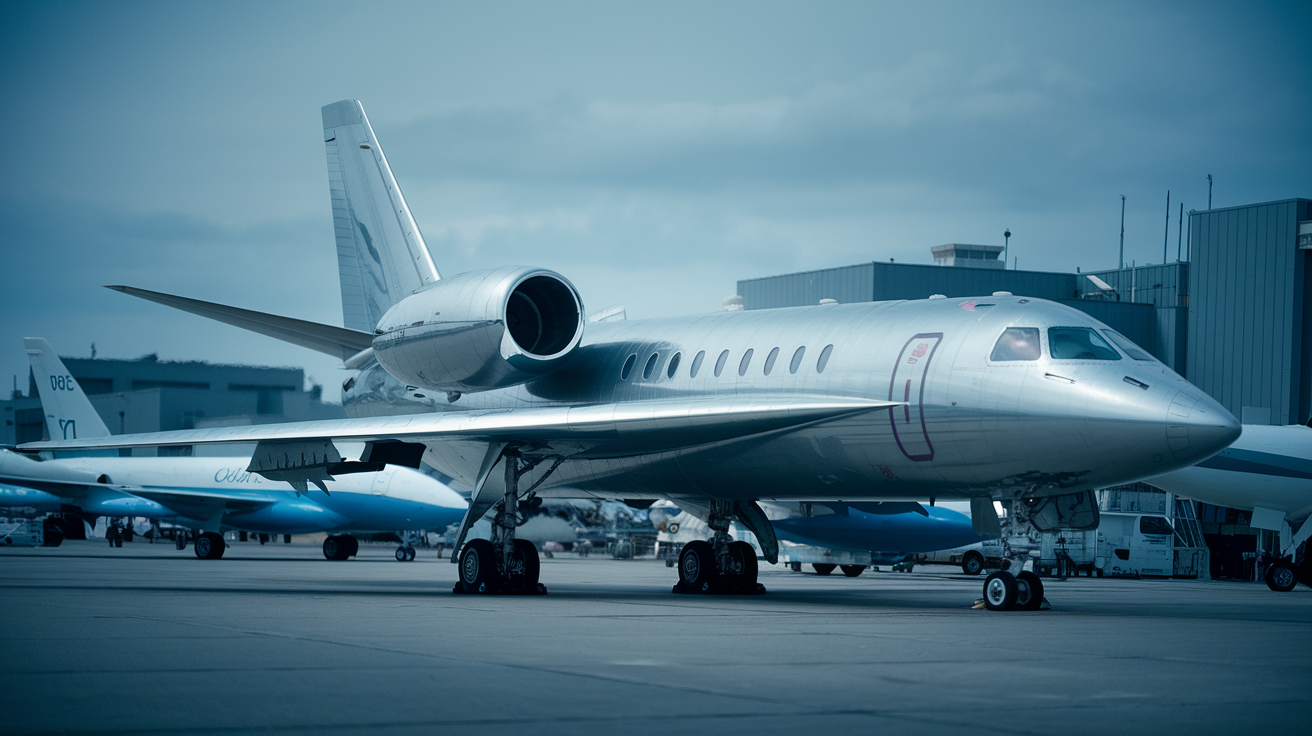


Tupolev TU-160: Discover The Titanium Supersonic Jet Developed By The Soviet Union During The Cold War. The Model Is Known As The ‘White Swan’ Nuclear And Reaches Up To 2,2 Thousand Km/H.
The titanium supersonic jet, Tupolev – TU-160, known as the ‘White Swan’ Nuclear, is one of the greatest wonders of aeronautical engineering. This gigantic supersonic jet, capable of reaching speeds of over 2,200 km/h, holds the title of the largest supersonic aircraft ever built by the air force. With an impressive record of over 25 hours in the air, the TU-160 is a true symbol of power and innovation.
A Bit Of The History Of The Titanium Supersonic Jet
Since its development during the Cold War to its continuous modernization, the nuclear ‘White Swan’ of the Russian Air Force has a rich and fascinating history. The combination of advanced design, such as variable-sweep wings, and state-of-the-art materials, like titanium, made this bomber a milestone in aviation.


During the height of the Cold War, in 1960, the United States Air Force (USAF) introduced the world’s first supersonic nuclear bomber, the B-58 Hustler. Less than 15 years later, in 1974, the B-1 A Lancer appeared, a much larger supersonic bomber with enough range to target goals deep within the Soviet Union.
-
Iraq floats and sinks under an arm of the Euphrates 10 giant concrete boxes of 46,000 tons and 125 meters each to assemble a 2.4 km submerged tunnel and open a new land route between Asia and Europe.

-
Scientists use more than 20,000 artificial birds and solar speakers to “trick” seabirds, reactivate nesting routes, and revive a colony on an island that seemed abandoned.

-
She spent 73 years breathing inside an iron lung, survived the aftereffects of polio, and became the last woman in the United States dependent on the equipment before dying at 78 years old.
-
Brazilian students created a $1 filter using pine bark, cotton, and 3D-printed parts to clean cassava wastewater, reduce the toxicity of a hazardous waste, and transform contaminated water into biofertilizer.



In this context, the Soviets began developing an intercontinental range supersonic bomber. The project was led by designer Andrei Tupolev and chief designer Valentin Bliznyuk.
The Soviets decided to adopt a variable-sweep wing configuration for the titanium supersonic jet TU-160. This design allowed for takeoffs with greater weight, meaning more weapons and fuel, resulting in higher range.
During flight, the wings of the nuclear ‘White Swan’ could be adjusted for medium sweep, saving fuel at subsonic speeds. In the final phase, the wings were adjusted for maximum sweep, allowing supersonic flights at over 2,200 km/h, reducing exposure time to enemy defenses.
Differences Of The TU-160 From The Soviet Union
The implementation of movable wings on an aircraft the size of the TU-160 by the engineering of the Soviet Armed Forces required several technological innovations, particularly regarding the materials used. Titanium, known for its lightness and high strength, was extensively used, particularly in the central section of the nuclear ‘White Swan’, including the junction box for the movable wings.

The Kazan factory developed exclusive welding techniques to work with these parts. The size of the titanium supersonic jet also required the creation of a specific engine, the NK-32 turbofan with afterburner, capable of generating a maximum thrust of approximately 55,000 lbf.
To give you an idea, the power of a single NK-21 is equivalent to the maximum power of three Gripen fighter jets of the Brazilian Air Force. The TU-160 is equipped with four of these engines, which use special fuel.
When Was The Titanium Supersonic Jet Launched?
The first prototype of the nuclear ‘White Swan’ flew on December 18, 1981, and the first production model was ready in October 1984. However, the aircraft only began to enter service in the Soviet Air Force in mid-1987, just before the collapse of the Soviet Union in 1991.
At that time, only 22 Tu-160s were in service, and production was halted in 1994 due to the chaos at the end of the Soviet regime.
After the dissolution of the Soviet Union, the Tu-160 fleet was divided between Russia and Ukraine. In 1999, Ukraine negotiated the delivery of the TU-160s that were in its military possession to Russia as part of an agreement to forgive energy debts.







holla! mesmo magnifico o tu160 foi desenvolvido na ucrania, berco de outra maravilha aerea o antonov an225 mrya que foi destruido nesta guerra **** dos russos. o tu160 nunca foi nuclear e tb so possui algumas partes em titaneo. o b58 hustler dos eua nao era nuclear mas tinha velocidade elevada como puro delta. o aviao russo foi desenvolvido para superar o bombardeiro b1 rockwell walkirie que era o maior bombardeiro dos eua ate entao. mesmo hoje o tu160 e capaz de ataques supersonicos de longo alcance com misseis cruize. nos eua o equilvalente em poder eh o b1 spirit bomber com tecnologia stealth e plataforma de lancar misseis cruize a longa distancia. para bombardeios pontuais ainda os eua se utiliza do b52 boeing apelidade “buff” que lanca bombas diversas e misseis cruize.
Nossa, ingenuidade hoje de quem fala bem da indústria russa, seja ela aeronáutica naval. Será que não aprenderam que não tem povo mais **** do que o Russo? Eles são extremamente vaidosos, praticam envenenamento e a mentira com a maior cara de ****, só gente ingênua mesmo para acreditar nessa sucatas russas! Eu acredito, baseado na vaidade exagerada a Rússia, que ainda não acionaram algum botão vermelho, de preocupação da bomba H cair dentro de Moscou ou no território Russo! O que já mataram com esse negócio de fogo amigo, e o que já soltaram de sucata (os tanques explodindo e levantando a torre a 50 m de altura, o tal su 57 que falam que é um caça de última geração, ao que parece só tem um que faz demonstração, outros quatro estacionados sem peça para alegria dos drones ucranianos). Agora me vem com essa desse jato antigo, dizendo que é o melhor do mundo e se existir ainda!!!¡ Palhaçada acreditar em russo! A outra e os americanos estão dando risadas! Putin e Medvedev, só falam besteira e não assustam mais ninguém!
Poxa, você deve ter se esquecido de como a URSS surpreendeu o mundo com o Sputnik e o MiG-25, certo?
Ambos sem outro interesse economico, militar, cientifico, evolução, invenção intenção ou efeito prático que não fosse o da propaganda enganosa, para os ignorantes que desconhecem que todas essas tecnologias foram desenvolvidas e exploradas na Alemanha na época da 2a Guerra Mundial. Que aliás os russos tanto se orgulham de ter “ganho”! esquecendo que sem os americanos e todos os outros estariam perdidos e submetidos.
A dois problemas que esse comentário levanta: o desrespeito e a falta de informações, que são criticosas à eminência e grandiosidade deste sÍmbolo russo de poder. Entretanto, essa majestade é derivada de alguma? Acredito razoável dizer que o seu significado deriva desse militarismo intratável que inexplicavelmente sempre incomoda paízes frágeis.
Esse da foto não é e nunca será um avião supersônico.
a foto valida e a 2a do tu160 com asas de geometria variavel.