Portuguese
  Spanish


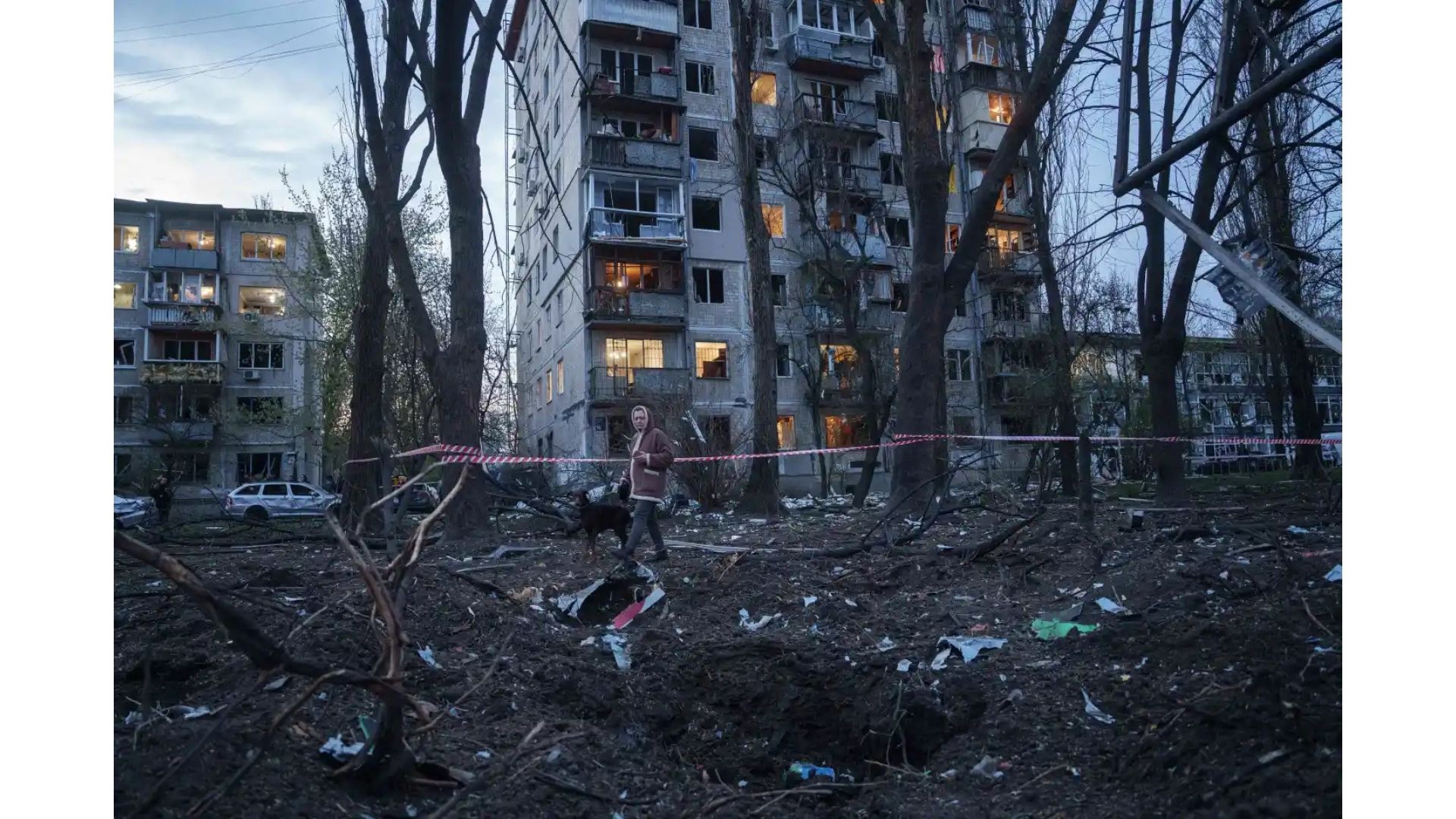

The Ukrainian government warns of the exhaustion of defensive ammunition as Russian bombings hit residential areas and cause civilian deaths.
A White House investigation and international allies are closely monitoring the worsening conflict in Eastern Europe, where Ukraine is rushing to reinforce its defense systems.
A series of coordinated attacks with Russian drones and missiles hit various regions of the country, resulting in the deaths of at least 16 civilians and leaving dozens injured in residential areas. The Ukrainian government issued urgent alerts about the shortage of interceptor ammunition, essential to contain the new escalation of bombings targeting critical infrastructure and urban centers.
Impact of bombings and the humanitarian crisis
The attacks hit the capital, Kyiv, and other major cities, destroying apartment buildings and interrupting power supply for thousands of citizens. Rescue teams worked among the rubble throughout the night to locate survivors, while the number of fatalities was updated by local authorities.
-
U.S. Establishes Permanent Embassy in Jerusalem, Reigniting International Debate Over Israel’s Capital

-
The world has nearly 12,000 nuclear warheads, with the majority held by the United States and Russia; see the figures for China, France, and the United Kingdom.

-
Venezuela Faces UN Alert for Hunger, Disease, and Service Collapse After Earthquakes Cause Nearly 2,000 Deaths and $6.7 Billion in Damages

-
Brazil Deploys Navy Field Hospital with ICU, Orthopedics, Pediatrics to Earthquake-Stricken Area in Venezuela, Offering 30 Beds and 150 Daily Consultations


A White House investigation indicates that the Russian tactic aims to exhaust Ukraine’s air response capability through the simultaneous launch of different types of projectiles.
The air offensive is considered one of the deadliest in recent months, surpassing the interception capacity of some defensive systems currently in operation on Ukrainian soil. Reports from security forces indicate that the use of foreign-made drones, integrated with cruise missiles, complicated the complete neutralization of threats before they reached their targets.
The scene of devastation reinforced Kyiv’s calls for immediate transfers of more sophisticated anti-aircraft batteries from Western partners.
Ammunition shortage and defense logistics
The Ukrainian military command highlighted that the intense pace of Russian attacks is alarmingly consuming stocks of interceptor missiles. Without constant replenishment, strategically important cities may become vulnerable to new waves of destruction from the airspace.
A White House investigation is analyzing the logistical bottlenecks that hinder the swift arrival of new equipment, while the Pentagon reviews the priorities for sending military material to the conflict zone.
Defense specialists claim that the protection of hospitals and electrical grids has become the main operational challenge due to the diversity of routes used by invading drones. The Ukrainian government has implemented measures to ration defensive ammunition, prioritizing targets that pose an immediate risk to large population concentrations. This crisis management occurs at a time when ground battle fronts also require constant attention and artillery support.
International response and security oversight
World leaders condemned the violence of the new attacks and promised to accelerate the delivery of already approved military aid packages. The White House investigation seeks to identify the supply routes that allow Russia to maintain such a high volume of technological fire despite the ongoing sanctions. The goal is to strangle the industrial base that feeds the production of drones and missiles used against Ukrainian civilian targets.
The presidency of the United States maintains regular consultations with NATO’s high command to coordinate a defensive response that prevents the collapse of the Ukrainian air system. New radar systems and short-range batteries are expected to be sent in the coming weeks to try to close the gaps exploited by recent attacks.
The conclusion of the White House investigation into the origins of the drone components will be crucial for the application of new diplomatic and economic restrictions against Russia’s suppliers.
With information from Apnews