Portuguese
  Spanish


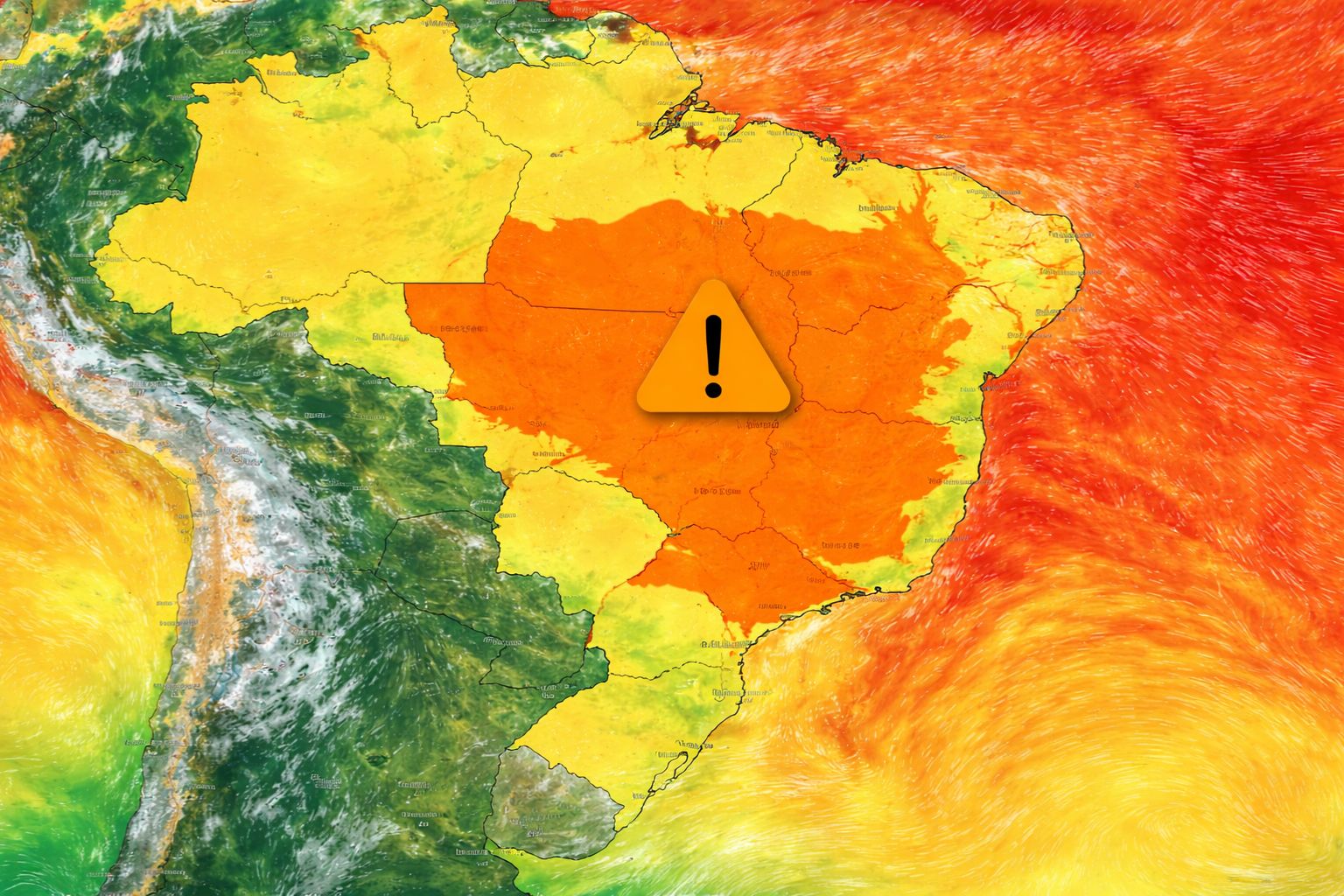

Inmet issued an orange alert for heavy rains in nine states in the North, Northeast, and Central-West, valid until 11:59 PM on Saturday (18). The rains may reach between 30 and 60 mm/h with winds of up to 100 km/h. In the South, Santa Catarina may record temperatures below 10°C in the mountains, while Rio Grande do Sul varies between 11°C and 18°C.
The Inmet (National Institute of Meteorology) issued an orange alert for heavy rains affecting nine Brazilian states this Saturday (18). Acre, Amazonas, Maranhão, Rondônia, Mato Grosso, Pará, Amapá, Piauí, and Tocantins are at risk of rains between 30 and 60 mm/h or 50 and 100 mm per day, with strong winds between 60 and 100 km/h. The alert is valid until 11:59 PM on Saturday, and the affected areas face risks of power outages, falling tree branches, flooding, and electrical discharges. The scenario is influenced by the Intertropical Convergence Zone (ITCZ), which transports a large amount of moisture to the region and, upon encountering a mass of warm air, favors the formation of heavy clouds.
While nine states face the alert for heavy rains, the South of Brazil experiences an opposite scenario. In the mountainous region of Santa Catarina, temperatures may drop below 10°C during the dawn of this Saturday, and in Rio Grande do Sul, the minimums should vary between 11°C and 18°C, with the cold being more noticeable in the northern part of the state. The contrast between the humid heat that fuels storms in the North and the cold air that lowers temperatures in the South illustrates the climatic diversity that characterizes Brazil in a single day in April.
Which states are under Inmet’s orange alert for heavy rains
According to information released by the portal ndmais, the orange alert issued by Inmet covers nine states distributed across the North, Northeast, and Central-West regions. Acre, Amazonas, Rondônia, Pará, Amapá, and Tocantins concentrate most of the area under alert in the North Region, which is the most directly affected by the ITCZ during this period. In the Northeast, Maranhão and Piauí are among the included states, while Mato Grosso represents the Central-West in the alert list.
-
OnePlus N6 Smartphone to Launch in India with 8,000mAh Battery and 45W SuperVOOC Charging, Lasting Up to Three Days

-
Scientists Plan to Release Air Bubbles Underwater to Protect Antarctica’s “Doomsday Glacier” from Melting

-
Chinese R6000 Drone Combines Airplane and Helicopter Features, Carries Up to 12 People for Multiple Missions
-
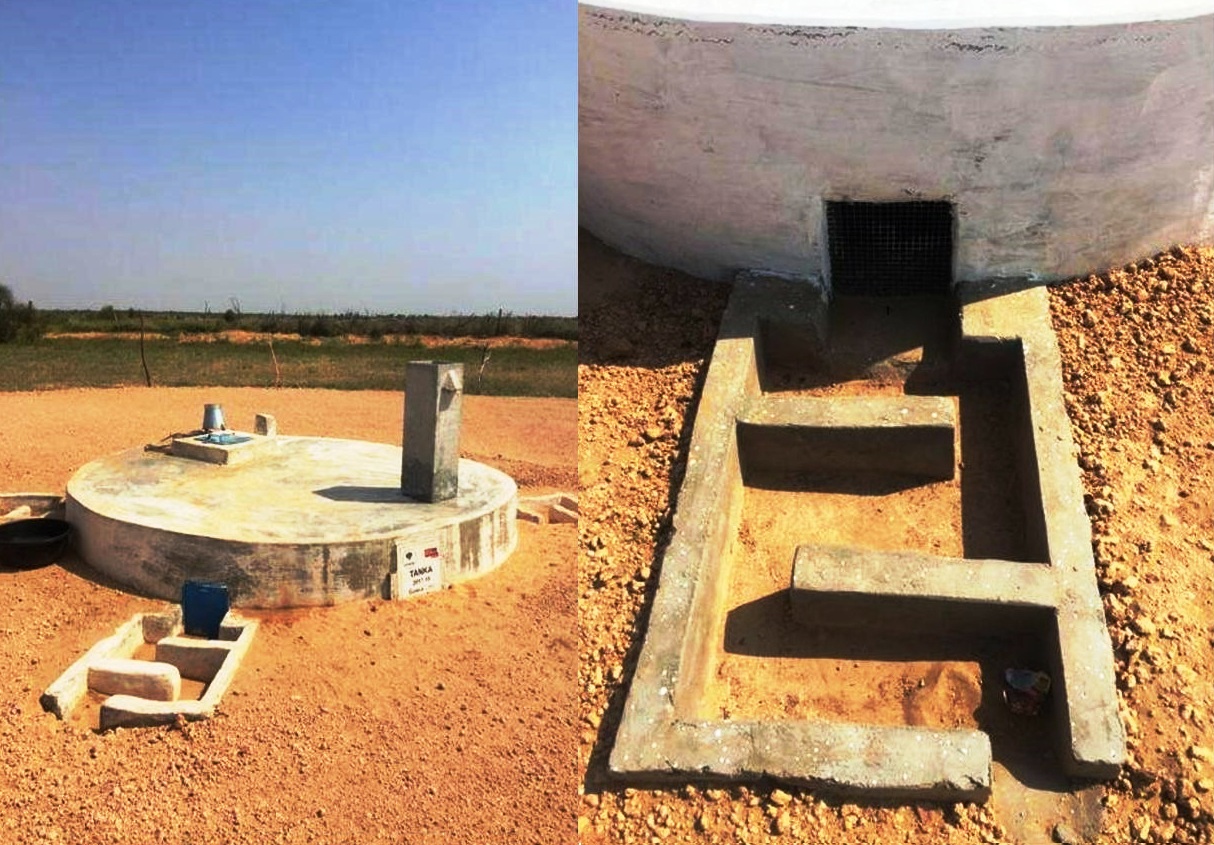
In the World’s Most Densely Populated Desert, Families Dig Funnel-Shaped Underground Cisterns to Capture Rare Rainfall and Store Drinking Water for Up to Eight Months




The orange classification from Inmet indicates “danger,” one level above the yellow alert and below the red. In practice, this means that the forecasted rains have a real potential to cause material damage and put lives at risk, especially in urban areas with insufficient drainage and in riverside communities living near streams and rivers that may overflow. The alert is valid until 11:59 PM on Saturday (18), but the effects of the rains may extend beyond this time depending on the intensity and duration of the precipitation.
What the Inmet alert means in practice for those living in these regions
The rains forecasted by the alert can reach between 30 and 60 millimeters per hour, a volume that most Brazilian cities are not prepared to absorb in such a short time. Winds of 60 to 100 km/h can knock down tree branches, tear off roofs, destroy makeshift coverings, and topple poles, causing interruptions in the electricity supply that can last for hours or days depending on the extent of the damage. The electrical discharges associated with storms pose an additional risk for those in open areas or near metal structures.
For residents of the regions under alert, the recommendations are straightforward. Avoid flood-prone areas, keep a distance from streams and rivers that may overflow, do not seek shelter under trees during lightning, and unplug electronic devices are measures that reduce risks. In rural areas, dirt roads can become impassable, and producers should protect equipment and animals before the rains arrive. The Inmet alert serves as a warning for the population to prepare, not to panic.
The role of the ZCIT in the rains that prompted the Inmet alert
The Intertropical Convergence Zone is the meteorological engine behind the alert issued by Inmet. The ZCIT is a band of low atmospheric pressure that surrounds the Earth near the equator and concentrates large volumes of moisture, generating heavy clouds that produce intense rains when they encounter warm air masses. At this time of year, the ZCIT directly influences the climate of Northern and part of Northeastern Brazil, being responsible for most of the precipitation that these regions receive.
When the ZCIT is more active, as it is this Saturday, the combination of abundant moisture with continental warm air creates perfect conditions for the formation of severe storms, with torrential rains, gusty winds, and electrical discharges. Inmet continuously monitors the position and intensity of the ZCIT to issue alerts with sufficient advance notice for the population and civil defense agencies to prepare. The orange alert this Saturday is a direct consequence of this enhanced activity of the ZCIT over the nine listed states.
The cold arriving in the South while the North faces the rain alert
The climatic contrast in Brazil this Saturday is pronounced. While nine states face the Inmet alert for intense rains and humid heat, the mountainous region of Santa Catarina may record temperatures below 10°C at dawn, a value that requires warm clothing and special attention for the elderly, children, and people with respiratory illnesses. In Rio Grande do Sul, the minimum temperatures are expected to be between 11°C and 18°C, with the northern part of the state being the coldest area.
The cold in the South is not associated with the same system that causes rain in the North. They are different phenomena acting simultaneously over Brazilian territory: while the ITCZ fuels storms in the equatorial regions, a cold air mass of polar origin keeps temperatures low in the South. In the rest of the country, the minimums vary between 14°C in the Southeast and 27°C in the Northeast, showing that Brazil experiences practically all seasons in a single day.
What to expect from the weather in the next few hours and how to protect yourself
The Inmet alert is valid until 11:59 PM on Saturday, but the instability may extend depending on the evolution of the ITCZ. For those in the nine states under alert, the guidance is to follow updates from Inmet and the local Civil Defense, which may issue additional alerts or raise the risk level depending on the actual intensity of the rains. Residents of hillside areas should be especially attentive to signs of landslides, such as cracks in the ground, leaning trees, and unusual noises.
For the South, the cold is expected to gradually ease throughout the day, but the following nights may still register low temperatures in the Santa Catarina mountains and northern Rio Grande do Sul. The combination of rain alerts in the North and cold in the South reinforces the importance of following regional forecasts instead of relying on generic forecasts for “Brazil,” a continental country where the weather can be radically different just a few hours apart.
Inmet issued an orange alert for heavy rains in nine states while the South records temperatures below 10°C. How is the weather in your city? Are you prepared for the rains? Let us know in the comments.