Portuguese
  Spanish


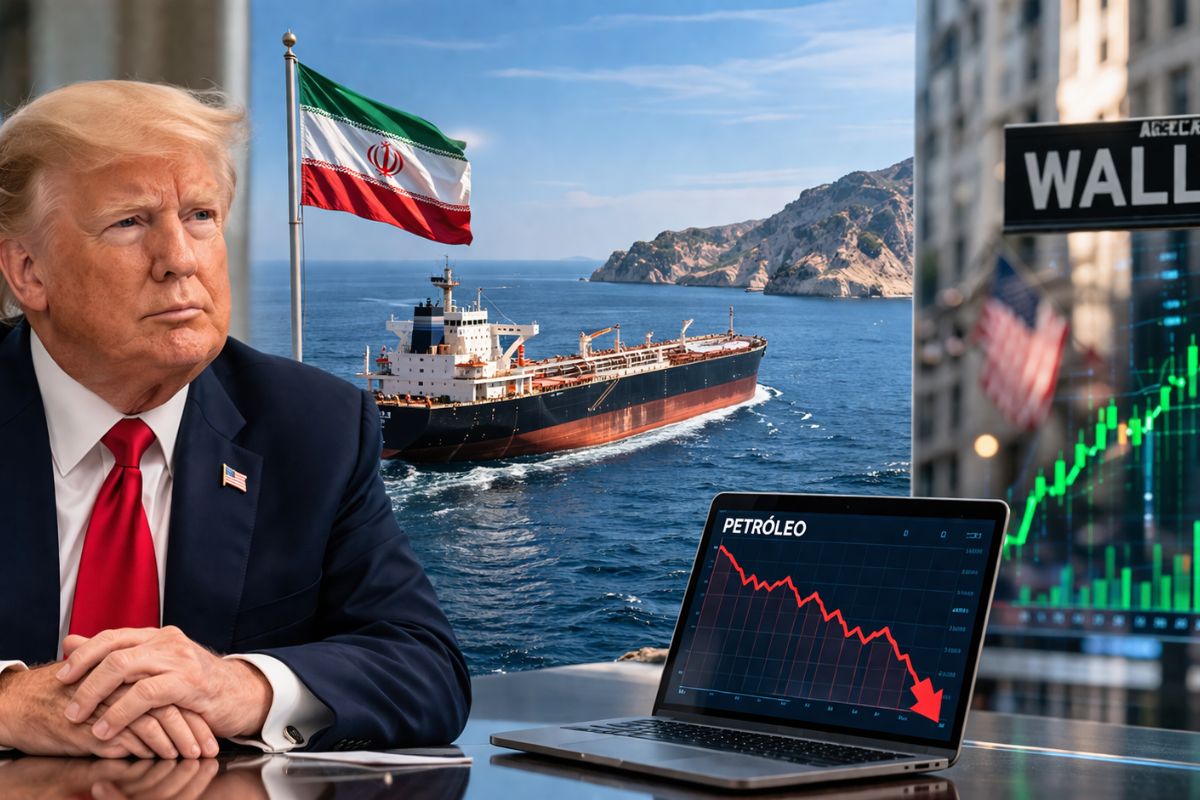

After speech on Truth Social and announcement that Hormuz is again “completely open,” the market reacts with a fall in oil prices and a rise in US stocks during the ceasefire.
The President of the United States, Donald Trump, stated this Friday (17) that Iran has committed to never closing Hormuz again, following the news that the maritime route has been reopened for commercial traffic.
The statement came after the Iranian Foreign Minister said that Hormuz will be “completely open” to transit during the remainder of the ceasefire. The effect was immediate: oil prices fell and Wall Street gained strength, in a route that had been stalling negotiations and raising global tension.
What Trump said about Hormuz
Trump posted on his Truth Social platform that Iran agreed to “never close the Strait of Hormuz again” and that it would no longer be used as a weapon against the world.
-
U.S. Dismisses Brazilian Foreign Ministry’s Military Risk Warning as “Absurd,” Cites Brazilian Criminal Gangs Operating in the U.S. Since May 2026

-
Ukraine War Impacts Brazilian Fuel Supply: Russian Diesel Imports Drop 65% in June, Brazil Turns to US and India Amid Market Concerns

-
Chinese Nuclear Submarine Launches Simulated Warhead Missile in Pacific, Heightening Regional Tensions Amid Naval Drills with Russia Near Qingdao; New Zealand and Papua New Guinea Warn of Persistent Chinese Military Presence
-
Ayatollah Ali Khamenei’s Funeral Draws 15 to 20 Million in Tehran, Calls for Revenge Against Trump After Joint Israel-U.S. Attack

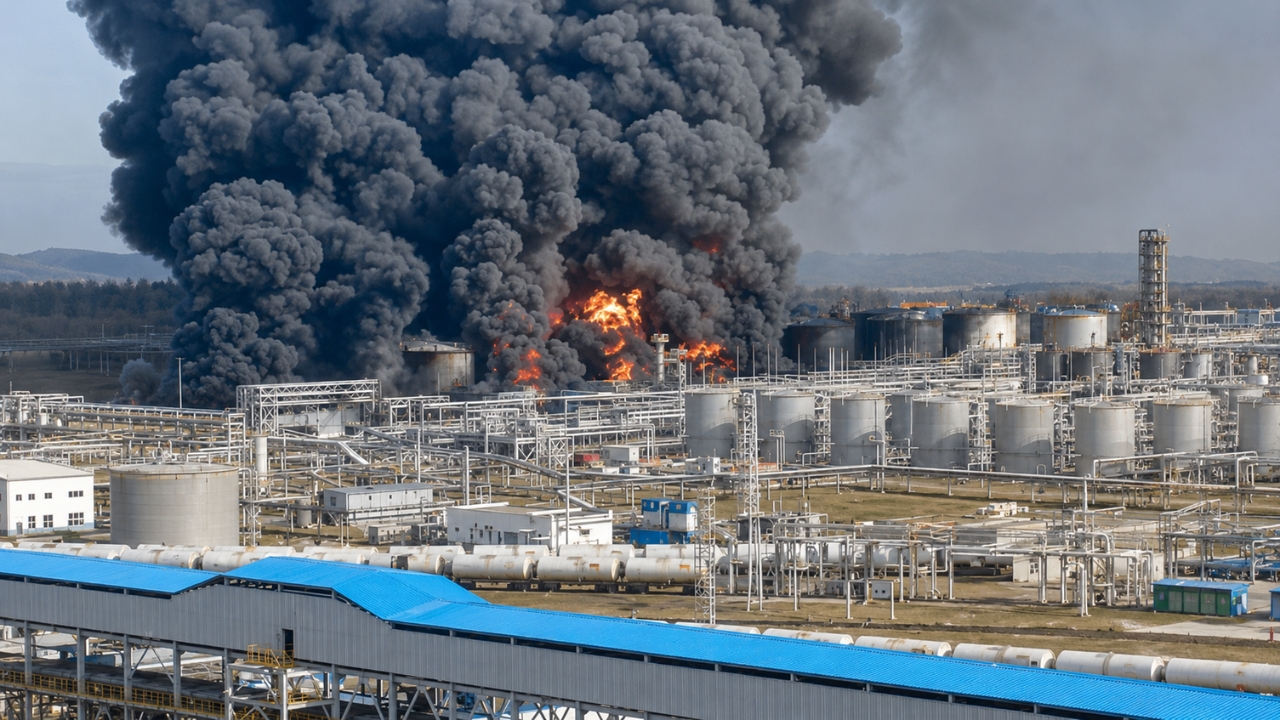


The weight of this statement lies less in the tone and more in the message: when Hormuz is at the center of the conflict, the rest of the planet feels it in their pockets, from fuel to freight and to prices in the supply chain. And that’s why any change in status becomes news in minutes.
Why the reopening affects oil and Wall Street so much
Oil prices fell sharply and American stocks rose after the Iranian chancellor stated that Hormuz would be fully open to commercial transit during the ceasefire.
The market logic is straightforward: with tankers back in circulation, the risk of shortages and disruptions decreases, and the fear premium embedded in the price of oil tends to recede.
When risk decreases, money returns to the markets, and this explains the reaction on Wall Street. But the question that lingered was another: for how long?
What was happening in the strait since the beginning of the war
According to reports, since the beginning of the United States and Israel’s war against Iran on February 28, Tehran has restricted passage through Hormuz for almost all vessels.
The justification presented was that navigation would only be allowed under Iranian control and upon payment of a fee.
In practice, this stalled the route and pressured global prices, with tankers either stopped or avoiding the region while negotiations stalled.
Why Hormuz is treated as a sensitive point of the planet
Hormuz is not just a maritime corridor. It is a route through which almost one-fifth of the world’s oil and gas passes, making any blockade a global issue.
When this choke point closes, the impact is not limited to the Middle East. It spreads through supply chains, maritime insurance, transportation costs, and ultimately reaches the consumer, even in countries far from the conflict area. It is one of those places where geopolitics turns into price at the pump, almost without warning.
The threat that raised tensions and what changes now
During the escalation, Tehran threatened to target warships crossing Hormuz and retaliate against ports of Gulf neighbors, following the announcement of a blockade by the Americans.
Now, with the announced reopening and the US-Israel bombing campaign against Tehran suspended in the context of the ceasefire, the focus shifts to the stability of this promise. The market has already celebrated, but the route will still be monitored in real time, because a new hardening changes everything again.