Portuguese
  Spanish


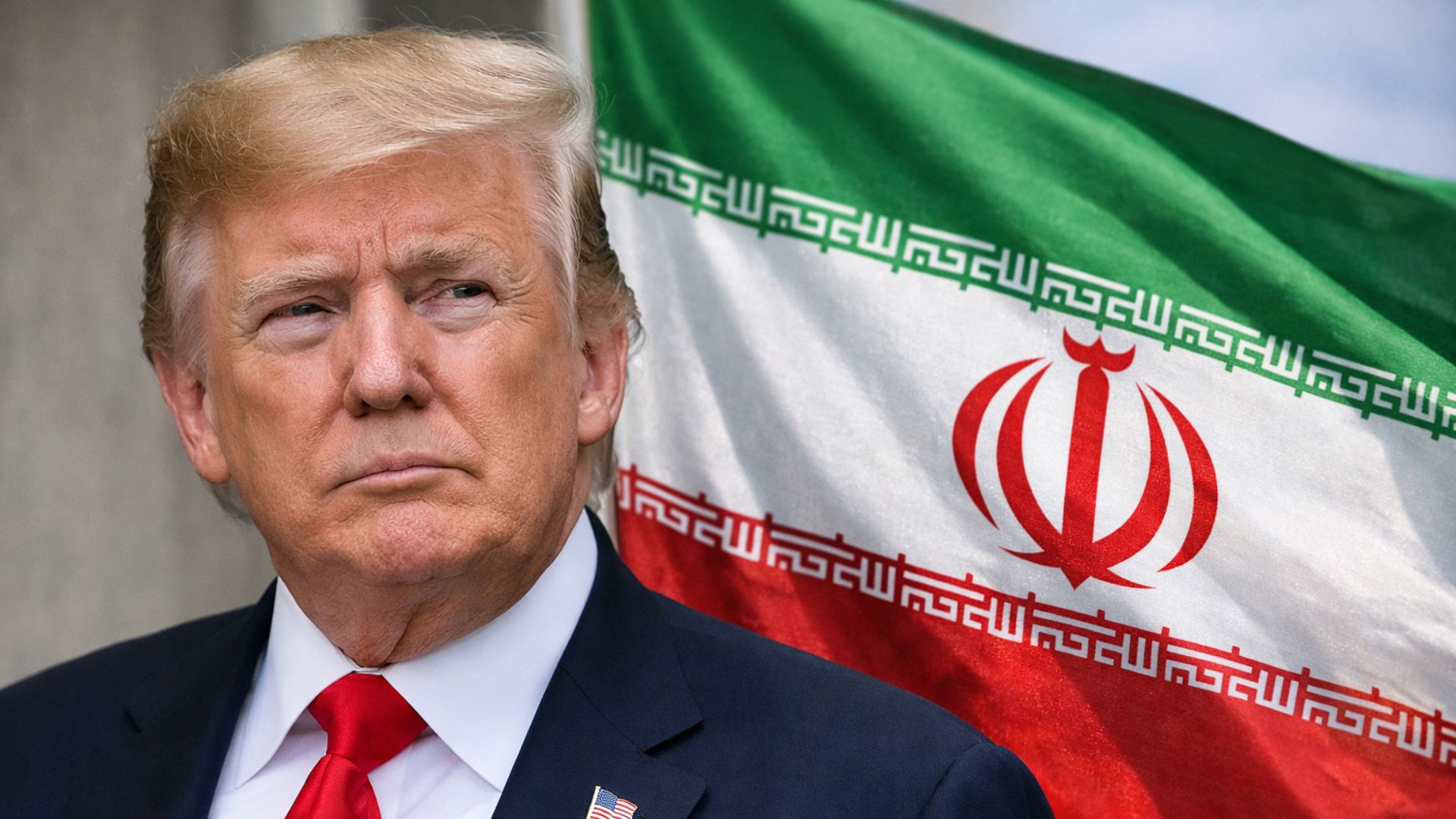

Iran denies agreement cited by Trump and maintains control over enriched uranium, increasing uncertainties in negotiations and raising global risks linked to nuclear weapons and international security.
Iran stated this Friday (17) that it does not intend to transfer its stock of enriched uranium, directly contradicting statements by United States President, Trump, which indicated a possible agreement in this regard. The denial reinforces the country’s nuclear sovereignty and broadens uncertainties about negotiations involving nuclear weapons, a central theme in tensions between the two nations.
According to information from G1, the official statement was made by the spokesperson for the Iranian Ministry of Foreign Affairs, Esmaeil Baqaei, who guaranteed that the material will remain under national control. The divergence arises at a delicate moment, marked by a two-week ceasefire between the countries, but still without a definitive peace agreement.
Furthermore, the topic gains relevance because uranium enrichment is considered one of the main points in negotiations. Iran‘s decision could directly influence the direction of talks and the global geopolitical balance.
-
European Parliament Approves Digital Euro, Aiming to Challenge Visa and Mastercard’s Dominance and Transform Payments Across Europe by 2029

-
Israel finds Hezbollah militarized tunnel over 200 meters long under village, with 4 missile launch shafts, 12 chambers, anti-tank missiles, drones, and weapons depots at a depth of 25 meters.

-
Ukraine launches largest drone attack on Moscow since 2022, Russia claims to have intercepted nearly 200 aircraft near the capital, Kapotnya refinery targeted again, and offensive reignites alert about war reaching the Russian energy heart just a few kilometers from the Kremlin.

-
Truck drivers, freight, and fines from 2022 take center stage in politics: Chamber approves MP with amnesty, mandatory tracking by CIOT, million-dollar penalties, and new minimum wage for those who spend more than 24 hours on the road.

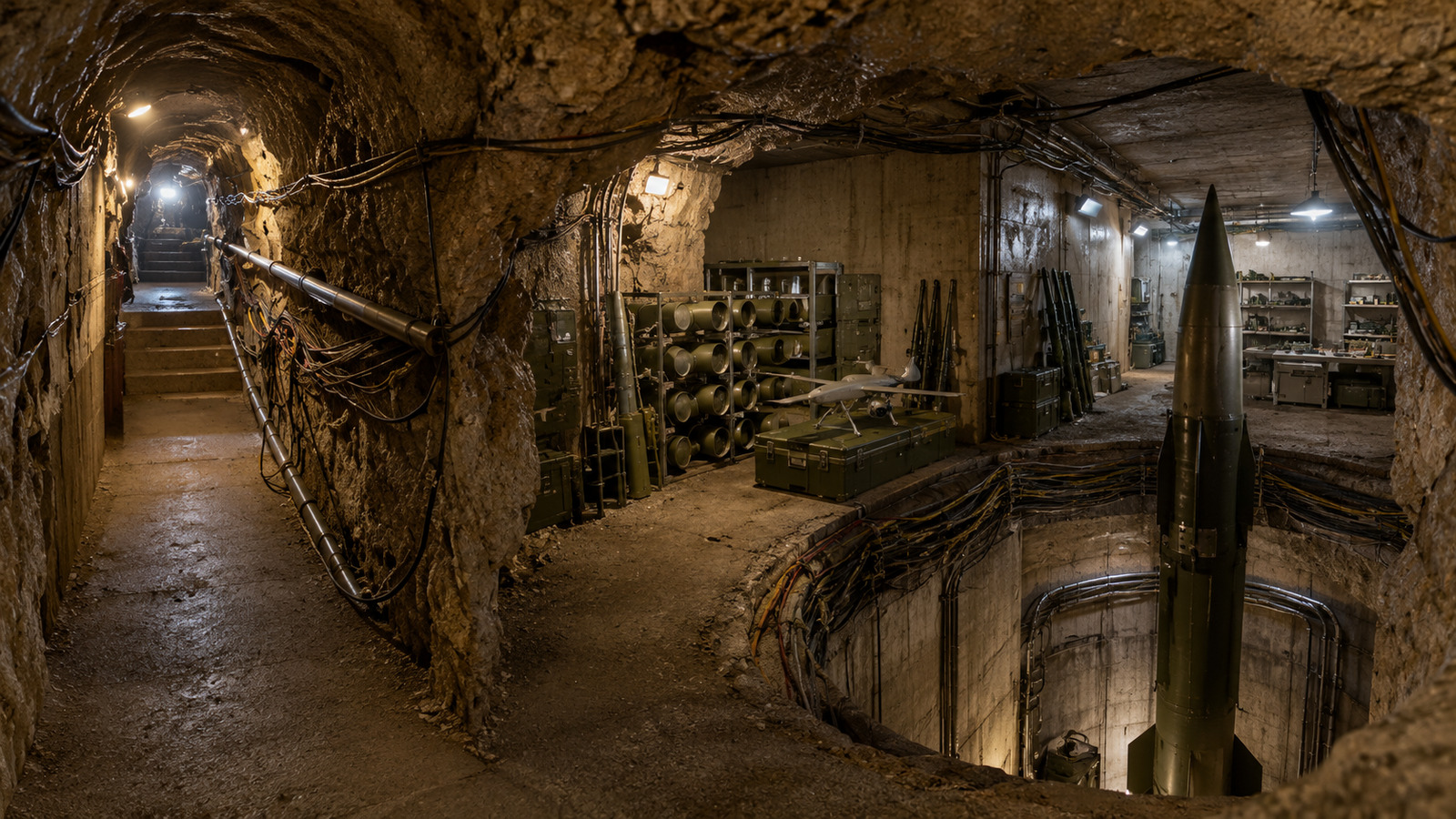


Iran denies Trump and hardens stance on enriched uranium
Iran‘s position represents a clear response to Trump‘s statements, who had claimed that Tehran would be willing to return what he called “nuclear dust.” According to the American president, this material would have been buried after attacks carried out by B-2 bombers last year.
The Iranian reaction was immediate and objective. By denying any transfer of enriched uranium, Iran demonstrates that it is not willing to give up a strategic resource, considered essential for both its energy matrix and its national security.
This direct confrontation between Iran and Trump reinforces the complexity of negotiations and highlights how sensitive the issue remains on the international stage.
Trump’s statements on nuclear weapons generate immediate diplomatic tension
Trump‘s statements occurred amidst an optimistic speech about the negotiations. The president stated that Iran would be willing to accept stricter conditions, including limitations related to the development of nuclear weapons.
Among the points highlighted by Trump were:
- The possibility of an “almost closed” agreement between the countries “`html
- The guarantee that Iran would not have nuclear weapons
- The alleged return of nuclear material to the United States
However, the response from Iran was categorical. By stating that enriched uranium will not be transferred, the country dismantles the narrative presented by Trump and reinforces the lack of consensus among the parties.


Why enriched uranium is at the center of global debate
Enriched uranium is a strategic element because it can be used for both civilian and military purposes. This dual nature is what makes the topic so sensitive in negotiations involving Iran.
Natural uranium contains only 0.72% of the U-235 isotope. To be used in nuclear plants, this percentage needs to be raised to something between 3% and 5%. For research purposes, levels above 20% are common.
When enrichment approaches 90%, the material can be used in the production of nuclear weapons. Therefore, the process is monitored by the International Atomic Energy Agency.
This scenario explains why the control of enriched uranium is a priority for countries “led” by Trump, who seek to prevent any advancement of Iran in the production of nuclear weapons.

Stalled negotiations expose differences between Iran and Trump
Negotiations between the United States and Iran face clear difficulties. One of the most recent moments occurred in Islamabad, Pakistan, where meetings last weekend ended without concrete progress.
Despite this, Trump continues to assert that an agreement is close. He highlighted that Iran would be willing to make concessions that it did not accept two months ago, signaling a possible change in posture.
Even so, the refusal to transfer enriched uranium shows that there are still deep divergences. This impasse complicates the construction of a solid and sustainable agreement.
“`
Proposal without a 20-year limit increases uncertainties about nuclear weapons
Another relevant point involves the duration of a potential agreement. Reports indicated that the United States suggested limiting Iran’s nuclear program for 20 years.
However, Trump denied this information. According to him, the proposal goes beyond any specific timeframe, aiming to permanently prevent Iran from developing nuclear weapons.
This difference in interpretation increases tension between the parties. For Iran, accepting broad restrictions may represent a significant loss of autonomy. For Trump, the priority is to eliminate any risk related to the military use of enriched uranium.
Global impacts of Iran’s decision on enriched uranium
Iran’s decision to maintain its stock of enriched uranium may have direct effects on the international scenario. The country’s stance is seen as a sign of firmness but also as a risk factor.
Among the main impacts, the following stand out:
- Increased diplomatic tensions between Iran and the United States
- International pressure for greater nuclear oversight
- Reinforcement of debates on the proliferation of nuclear weapons
- Possible influence on other countries with nuclear programs
For Trump, this scenario requires a balanced strategy that combines pressure and negotiation to avoid an escalation of conflicts.
A scenario that redefines the global nuclear balance
Iran’s decision this Friday (17) goes beyond a simple diplomatic denial. By contradicting Trump, the country reaffirms its sovereignty and sends a clear message about its limits in negotiations.
The impasse highlights how the issue of enriched uranium remains central in the international debate on nuclear weapons. At the same time, it shows that there is still a long way to go towards a consensus between the parties.
While Trump maintains an optimistic discourse, Iran adopts a more cautious and strategic stance. This contrast is likely to continue shaping the next chapters of this dispute, with direct impacts on global security and the future of nuclear negotiations.