Portuguese
  Spanish





Largest Layoff in Recent Years Hits Free Trade Zone: Britânia Laid Off Massively and Left Workers Directionless in Manaus
In this article, we will revisit the case of the Free Trade Zone of Manaus, which was the stage for one of the largest job cuts in the recent Brazilian industry.
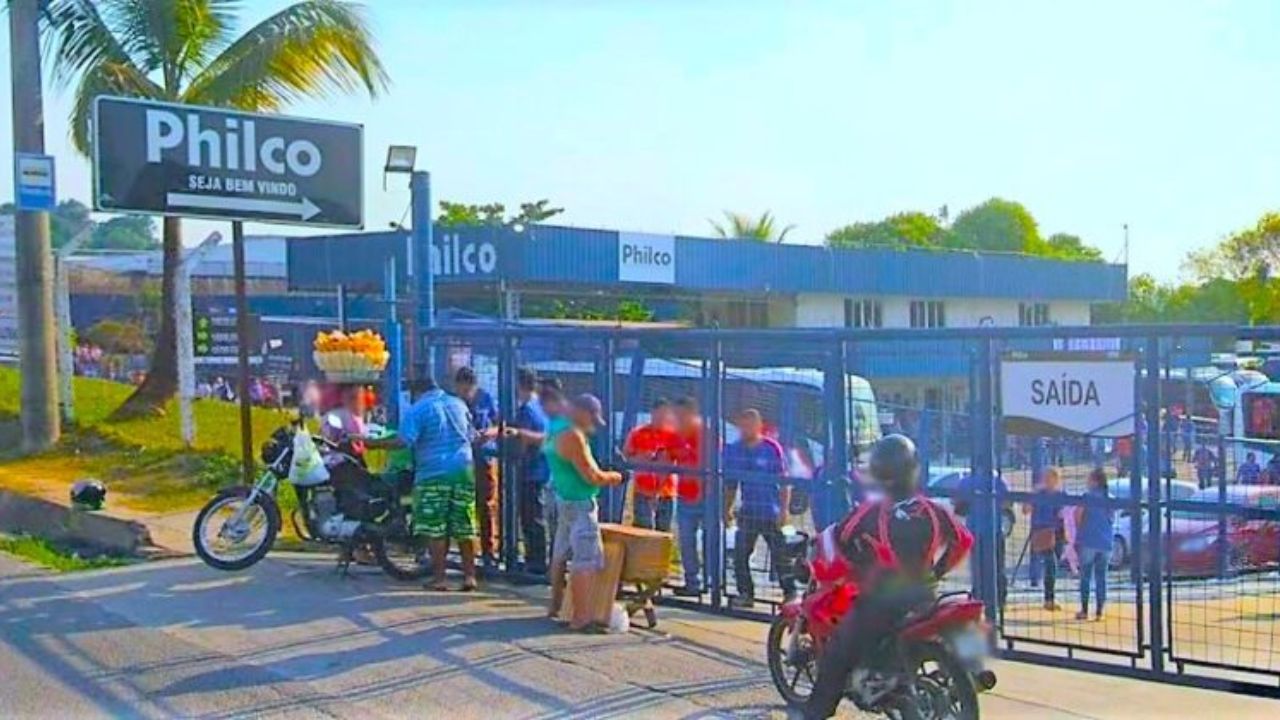
On July 15,as published by CPG, Britânia Eletrodomésticos, responsible for the brands Britânia and Philco, announced the layoff of 860 workers at its manufacturing unit located in the capital of Amazonas.
The number represents 32% of the entire workforce at the plant and about 9% of the 10,000 direct employees that the group maintains in its operations across the country. The incident reignited the debate about the direction of the electronics industry and the impact of market fluctuations on regions dependent on tax incentives to survive.
-
Toll Fees in São Paulo’s Countryside Drop by Up to 50% Starting Today

-
Petrobras Invests $2.3 Billion in Brazilian Coastal Shipyards, Creating Over 5,000 Jobs and Revitalizing the Naval Industry

-
$2.5 Billion Amazon Potash Mine Aims to Reduce Brazil’s 95% Import Dependency

-
Grendene’s Sales Decline in 2025, but Melissa Brand Surges 36% and Becomes Key Focus


According to an official statement from the company, the cut is part of a targeted restructuring, motivated by a review of sales projections, especially for air conditioning units — products that have strong seasonality. Although the company claims that sales at the Manaus unit remain stable, the adjustment would be necessary to maintain the sustainability of the business in the medium and long term. The factory is responsible for the production of televisions, microwaves, and air conditioners, all under the Philco brand, with a strong national presence in retail.
The Largest Layoff in the Free Trade Zone Since the Pandemic
The news took the Metalworkers’ Union of Amazonas (Sindmetal-AM) by surprise, which classified the event as the largest personnel cut in the Free Trade Zone since the peak of the COVID-19 pandemic. Valdemir Santana, president of the union and CUT-AM, stated that the layoffs are a direct result of the fragility of a production model highly dependent on tax incentives and market demand fluctuations. “When the sector tightens, the rope always breaks on the worker’s side,” Santana said in an interview with Canaltech.
The Free Trade Zone of Manaus was created with the goal of encouraging the development of the Amazon region through tax and logistical benefits. However, the model has been criticized for years for relying almost exclusively on federal policies and for its vulnerability to global economic fluctuations. Companies like LG, Sony, and others had already closed or reduced operations in the region in previous years, and the case of Britânia reinforces the risks of this dependency.
Britânia Tries to Contain Damage with Compensation Package
To mitigate the social impacts of the decision, Britânia negotiated with the union a package of benefits for the laid-off workers. Among the agreements made are the maintenance of health insurance until the end of August — or until the end of the notice period — and the distribution of food baskets according to the employees’ length of service. Workers with up to two years at the company will receive three baskets, while those exceeding that time will be entitled to four.
The company also made it clear that the other two units of the group — in Joinville (SC) and Linhares (ES) — will not be affected by the restructuring, indicating that the impact is concentrated in the Manaus plant. The group also emphasized that it remains committed to the country and that the measure was adopted as a last resort to avoid greater risks to operations.
Context of the Sector and the Crisis in the Home Appliance Market
The home appliance industry has faced a challenging scenario in recent quarters. Persistent inflation, rising credit costs, and changing consumer priorities have led to a decline in the sales of durable goods. In the case of air conditioning units, sales are directly impacted by seasonal factors such as temperature and electricity consumption — something that may have been exacerbated by recent discussions about energy tariffs and water crises in some regions of the country.
According to data from Eletros (National Association of Manufacturers of Electronic Products), the sector has been experiencing a slowdown since the second half of 2024, especially after the end of some emergency incentives granted during the pandemic. TV sales, for example, fell 12% in the first half of 2025 compared to the same period the previous year. Meanwhile, the air conditioning segment had an unstable performance, with peaks in sales during warmer months, but a strong retraction in months of lower demand, according to a report from GfK.
Additionally, the production model in the Free Trade Zone, while attractive in terms of taxes, involves high logistical and bureaucratic costs. Transporting equipment from the Amazon to the major consumer centers in the South and Southeast has become an increasingly expensive operation, which, according to analysts, also weighs on decisions to maintain or expand manufacturing units in the region.
What to Expect for the Future?
The Britânia episode may serve as a warning for other companies based in the Free Trade Zone. The need to adapt to new market realities, coupled with increasing competition from imported products — especially from China — and the logistical challenges of the current model, could trigger a new wave of reformulations in industrial strategies.
At the same time, there is growing pressure for the federal government to present a clearer proposal for development in the Amazon region that goes beyond reliance on tax incentives. Economists and local leaders advocate for productive diversification and the strengthening of value chains that align with bioeconomy, technology, and sustainability — sectors that are still little explored in the region.
Meanwhile, the 860 workers laid off by Britânia await new opportunities in an increasingly competitive job market, and the Free Trade Zone continues to experience cycles of boom and cuts, without a robust future plan.