






 Portuguese
  Spanish


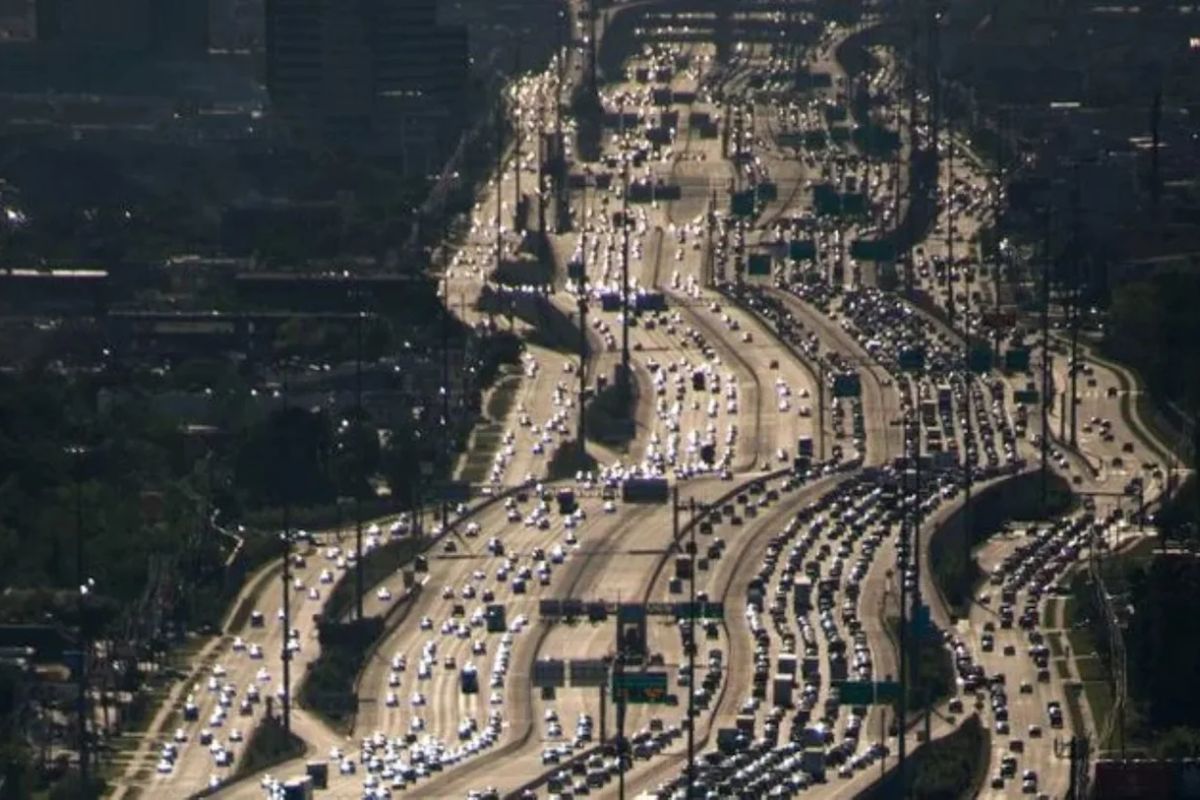

In 35 Years, An Investment of $425 Billion Created The Network That Unified The American Economy And Culture And Left A Difficult Legacy To Maintain.
The investment of $425 billion (in 2006 dollars) gave rise to the Dwight D. Eisenhower National System of Interstate and Defense Highways, a network of 78,465 km authorized in 1956 and completed over 35 years. More than just asphalt and overpasses, it was a national integration project, reducing travel times, connecting ports and interiors, and creating a truly continental market.
At the same time, the success of the automobile transformed the way of life: it drove suburbanization, fostered chains like fast food, and consolidated a car-centered culture. The “double-edged sword” appears today in the maintenance bill and in the chronic congestion, challenges that demand new mobility solutions.
What Was Built And Why
Starting from the Federal-Aid Highway Act of 1956, the U.S. standardized design, signage, and controlled access, creating the backbone of land logistics.
-
Mother discovers she may have won £12 million in the lottery but faces an agonizing wait after the shopkeeper threw the ticket in the trash.

-
A couple bought a house in Sheffield and, when removing the carpet from the hallway, found a trapdoor leading to a secret 23 m² basement with a 2-meter ceiling height, a discovery that eliminated the need for an expensive extension and, according to them, added £70,000 to the property’s value.

-
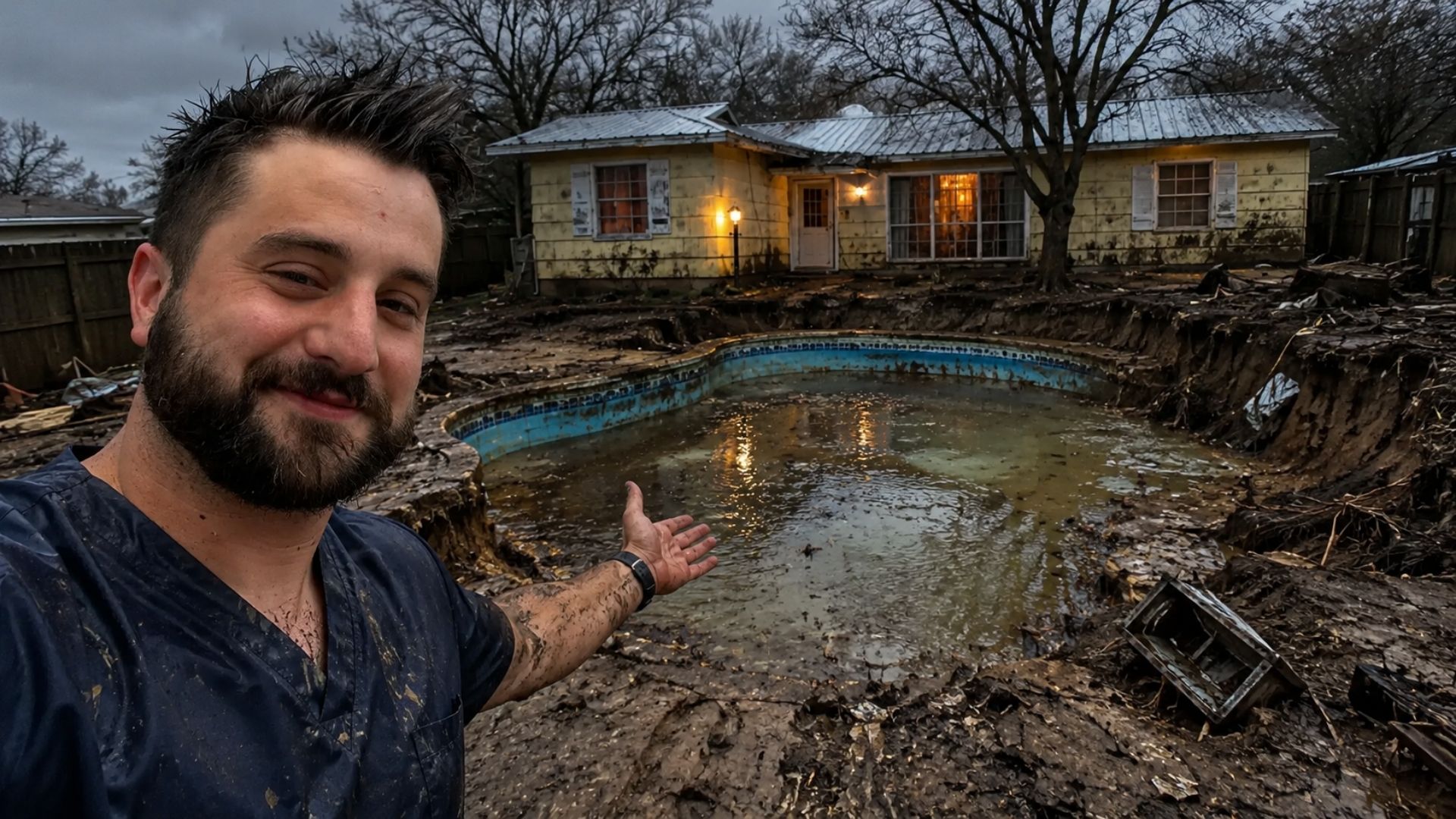
A nurse bought for 20,000 a 1955 house abandoned by a hoarder in Texas, and months later, rain revealed a buried pool in the backyard valued at $160,000, which he restored himself for about $10,000, a fraction of the cost of building a new one.
-
The United Kingdom is transforming dog feces left on trails into gas to light a streetlamp through an unlikely and surprising project that shows how even one of the most rejected wastes in cities can generate energy.



The plan took three and a half decades, with a final cost of $114 billion at the time (≈ $425 billion in 2006), one of the largest public programs ever undertaken.
The context explained the urgency: the explosion of the automobile since the 1920s, the need for national coherence (before, each state managed its own stretch), and the goal of defense and rapid response during the Cold War. In the end, the automobile became synonymous with mobility and American identity.
Who Pays The Bill And What It Costs To Maintain
Building was expensive; maintaining is ongoing. In 2022, the federal government disbursed $52 billion on the network; studies estimate $61 billion a year until 2033 just to preserve 2016 quality levels.
This financial engineering relies on the Highway Trust Fund, funded by fuel taxes, revenue that has not fully covered expenses for two decades.
Projections indicate that, without changes, the fund will be depleted by 2028, accumulating a deficit of $241 billion between 2024 and 2033. It is the paradox of a successful project: the more it is used and vital, the higher the recurring cost, from bridges to pavement.
How Highways Shaped The Economy And Culture
Every $1 in roads and bridges generates about $5 in estimated economic return, adding logistics efficiency, cost reductions, and productivity gains.
The network shortened trade distances, integrated previously peripheral states, and enabled new business formats; not by chance, chains like McDonald’s scaled by positioning near highway exits.
In urban planning, the roads accelerated decentralization: families moved to suburbs, shopping centers migrated to interstate edges, and daily life became dependent on cars for work, study, and consumption.
It is economic unification by asphalt and “car culture” as a lifestyle.
The Bill Of Success: Congestion And Social Costs
The same system that made the country flow also created dependence on a single mode. Neighborhoods were cut by urban layouts, public transport lost coverage in dispersed areas, and traffic became an expensive routine.
In 2022, drivers lost 155 hours in Chicago, 130 in Boston, and 117 in New York; time is money: up to $2,270 per driver in annual congestion costs in Boston.
Adding more lanes is not enough: capacity is increased, and over time, the flow becomes saturated again. Without attractive alternatives, yesterday’s “solution” begins to limit tomorrow’s responses.
What Comes After Asphalt: Alternatives And Megaprojects
Recognizing the deadlock, the Bipartisan Infrastructure Law of 2022 allocated over $550 billion to mobility and renewal projects. The goal is to take part of the trips off personal cars, reduce emissions, and requalify critical bottlenecks.
Among the symbols is the Gateway Program, in the Northeast Corridor (New Jersey–New York): new tunnel under the Hudson River, with $292 million already approved in the first phase and a budget exceeding $16 billion.
The message is clear: maintaining the road network and investing in rail and integration are not exclusive agendas, but complementary.
The investment of $425 billion delivered 78,465 km that unified markets, shortened distances, and created wealth.
It also imposed choices: expanded suburbs, prioritized the car, and left heavy costs.
The challenge of the new era is to balance maintaining what works with building what is missing from trains to more human urban mobility, without repeating dependence on a single path.
And you? In light of the American experience, if you had to prioritize the next billions today, would you allocate more resources to highway maintenance, high-capacity public transport, or both, and in what proportion?








Great article! I really appreciate the clear insights you shared – it shows true expertise. As someone working in this field, I see the importance of strong web presence every day. That’s exactly what I do at https://webdesignfreelancerhamburg.de/ where I help businesses in Hamburg with modern, conversion-focused web design. Thanks for the valuable content!