






 Portuguese
  Spanish
  3 min of reading
  0 comments


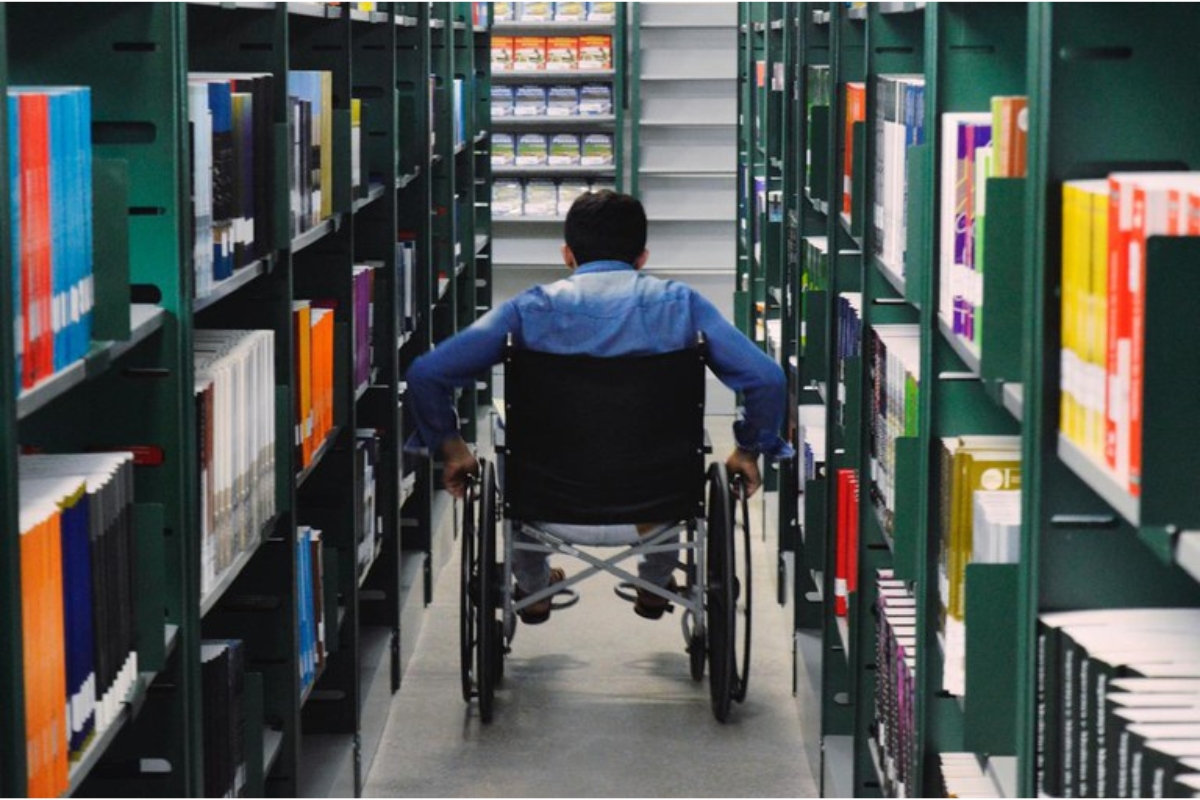
Decree No. 12,686/2025 Reformulates Special Education in Brazil, Redefines the Role of Philanthropic Institutions, and Sparks Debate on Inclusion and Family Rights
A new federal decree has completely changed the format of specialized education in Brazil. The measure, signed by President Luiz Inácio Lula da Silva, has provoked reactions nationwide by altering how students with disabilities will be served and by calling into question the future of traditional institutions such as APAEs and Pestalozzis.
The Decree No. 12,686/2025, published in the Official Gazette of the Union on October 20, establishes the new National Policy for Special and Inclusive Education. In practice, it transfers students currently enrolled in special schools to the regular education network, where the services will be complementary and no longer separated.
According to the government, this change represents “a step toward total inclusion,” but for thousands of families, the sentiment is one of apprehension.
-
Detran RJ starts requiring a toxicological test for those obtaining their first driver’s license in the car and motorcycle category starting June 29; see who will be affected.

-
Florida takes TikTok to court and accuses the Chinese giant ByteDance of ignoring the law that bars minors under 14, while parents and authorities demand more protection for children on social networks.
-
Chamber approves constitutional amendment reducing the age of criminal responsibility from 18 to 16 years; what now?

-
Justice confirms that old debts in tax executions that have been stalled for more than 15 years can no longer be collected through judicial or administrative means.


What Changes with the New Decree
Until now, specialized institutions, such as APAEs (Associations of Parents and Friends of the Exceptional) and Pestalozzis, had the autonomy to offer direct enrollment and maintain adapted teaching structures. The new text revokes Decree No. 7,611/2011, which guaranteed this model, and redefines the role of these entities as pedagogical support centers linked to the Education Departments.
According to the Ministry of Education, the proposal is for students with disabilities, autism, or high abilities to attend regular classes, receiving Specialized Educational Service (AEE) in a complementary manner.
The government argues that separation in special schools “reinforces social exclusion” and that the new policy is aligned with the UN Convention on the Rights of Persons with Disabilities, ratified by Brazil.
In a statement published on the official portal gov.br, the MEC stated that the goal is to “ensure access and the retention of all students, with or without disabilities, in the same school environment.”
Concerns of Families and Specialists
The announcement, however, triggered strong resistance. Entities that have worked in the field for decades claim that the decree was not discussed with the involved communities and that it could <strongcompromise the quality of education for students with severe disabilities.
The National Federation of APAEs (Fenapaes) stated that the new format ignores individual differences and “imposes forced inclusion without considering the real conditions of public schools.”
Parents and teachers report concerns about the lack of infrastructure, scarcity of trained teachers, and absence of assistive technology in the regular network, which could lead to school dropout or pedagogical setbacks.
In an interview with Gazeta do Povo, Senator Flávio Arns announced that he has presented a Legislative Decree Project to suspend the new norm, arguing that it “violates the right of families to choose the most suitable teaching model.”
Other legislators are also considering taking the Supreme Federal Court (STF) to question the constitutionality of the measure.
The Debate on Inclusion and Autonomy
While the government defends that the new policy increases coexistence and reduces segregation, critics assert that it confuses integration with inclusion. For many specialists, true inclusion only occurs when schools are prepared, with adapted infrastructure, specialized professionals, and adequate pedagogical resources.
Without this, they assert, the change could become an obstacle rather than a step forward.
There is also concern that philanthropic institutions, responsible for thousands of daily services, may lose public funding and have to reduce their activities. According to data from Fenapaes, more than 500,000 students are currently served in schools maintained by these entities across the country.
The government promises a gradual transition and assures that institutions will continue to operate as support, but it has not presented deadlines or additional resources for the adaptation of the public network.
For now, the decree remains in effect, and Brazil is experiencing an intense debate on how to reconcile inclusion, autonomy, and quality of education without leaving anyone behind.





Be the first to react!