






 Portuguese
  Spanish


The Nuclear Torpedo Poseidon, Developed by Russia, Can Cross Oceans at 100 km/h, Dive to 1,000 m and Carry Warheads Capable of Generating Radioactive Tsunamis.
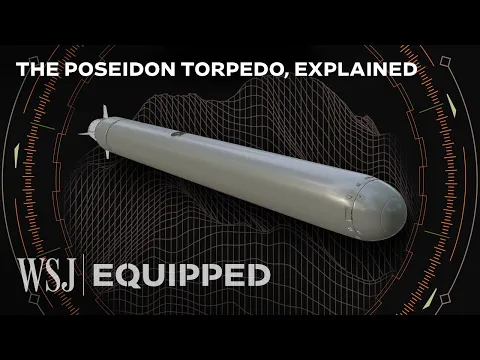
During the Cold War, the United States and the Soviet Union created warheads capable of destroying entire cities. Decades later, the arms race entered a new phase, marked by technologies that escape the classical imagination of aerial bombs. Among these innovations, none is as feared as the Poseidon, also known as Status-6 — a Russian nuclear torpedo designed to autonomously navigate thousands of kilometers on the ocean floor and launch an unprecedented attack.
According to information released by the Russian government itself in 2015, and confirmed in Western intelligence reports, the Poseidon was conceived not only as a deterrent weapon but as a strategic terror instrument, capable of targeting ports, naval bases, and coastal cities with unprecedented destructive power.
When The Idea Appeared
The Poseidon project became public in 2015, when Russian state television accidentally (or deliberately) aired documents about the so-called Status-6 Oceanic Multipurpose System. Since then, the torpedo has become central to Moscow’s discourse on its new generation of “invincible” nuclear weapons.
-
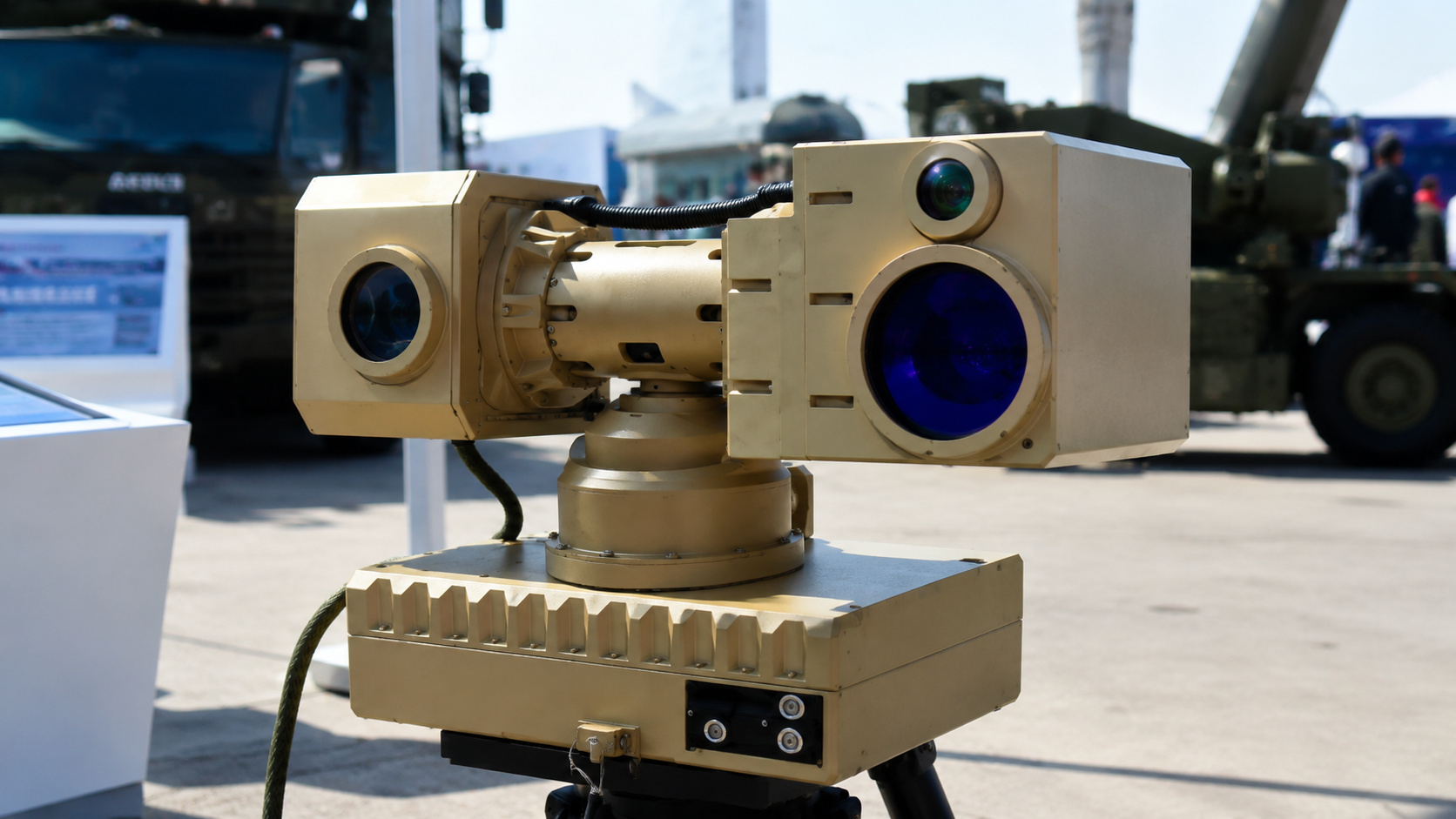
China Unveils Laser Weapon Capable of Instantly Neutralizing Military Drones, Marking a Significant Advancement in Air Defense Technology

-
U.S. Navy’s Ticonderoga-class Cruiser Becomes a 9,800-Ton Missile Fortress with Advanced Aegis System Capable of Tracking Hundreds of Targets

-
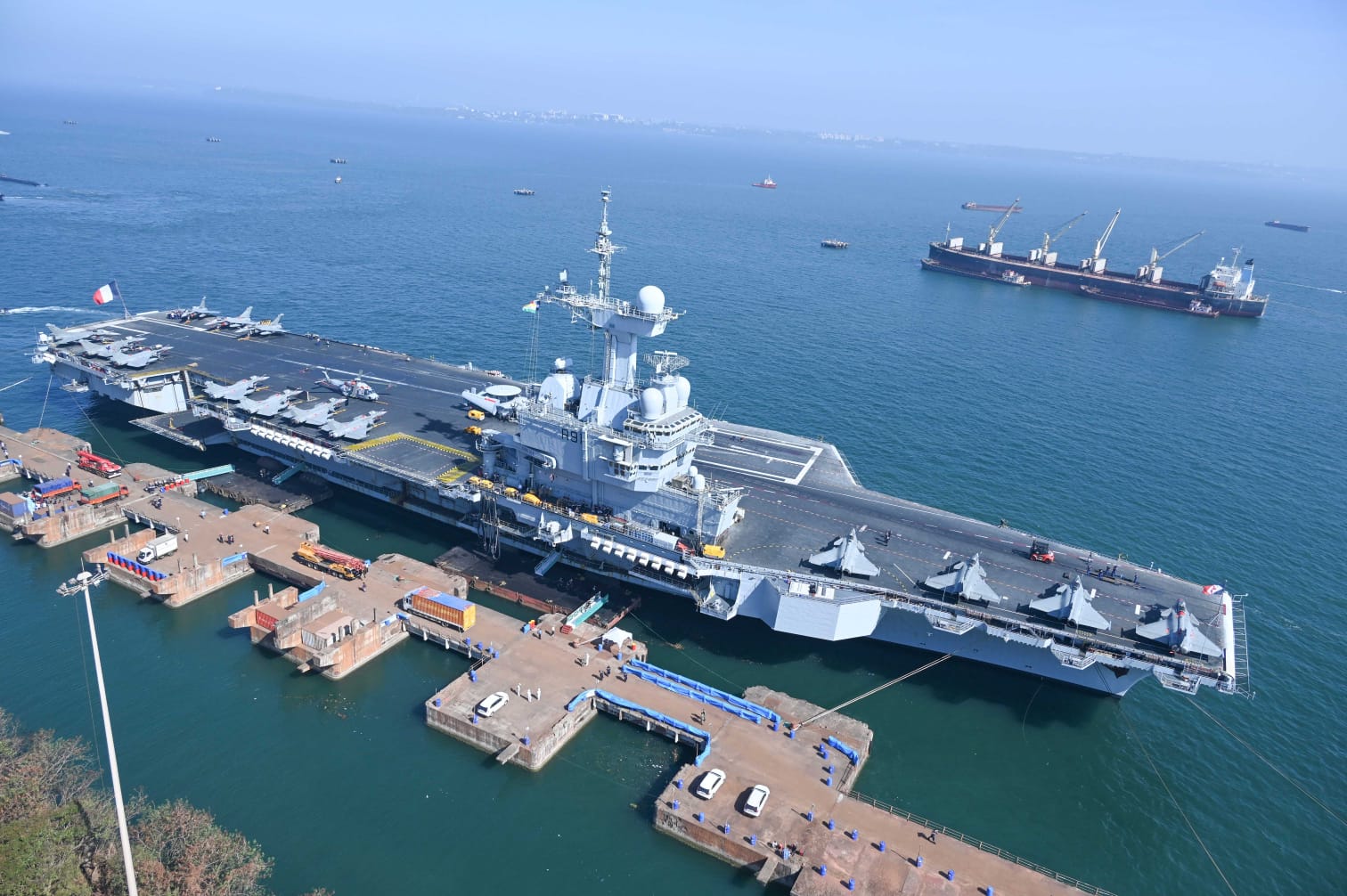
France’s Charles de Gaulle: The Sole Nuclear-Powered Aircraft Carrier Outside the US, Weighing 42,500 Tons and Equipped with Two Atomic Reactors

-
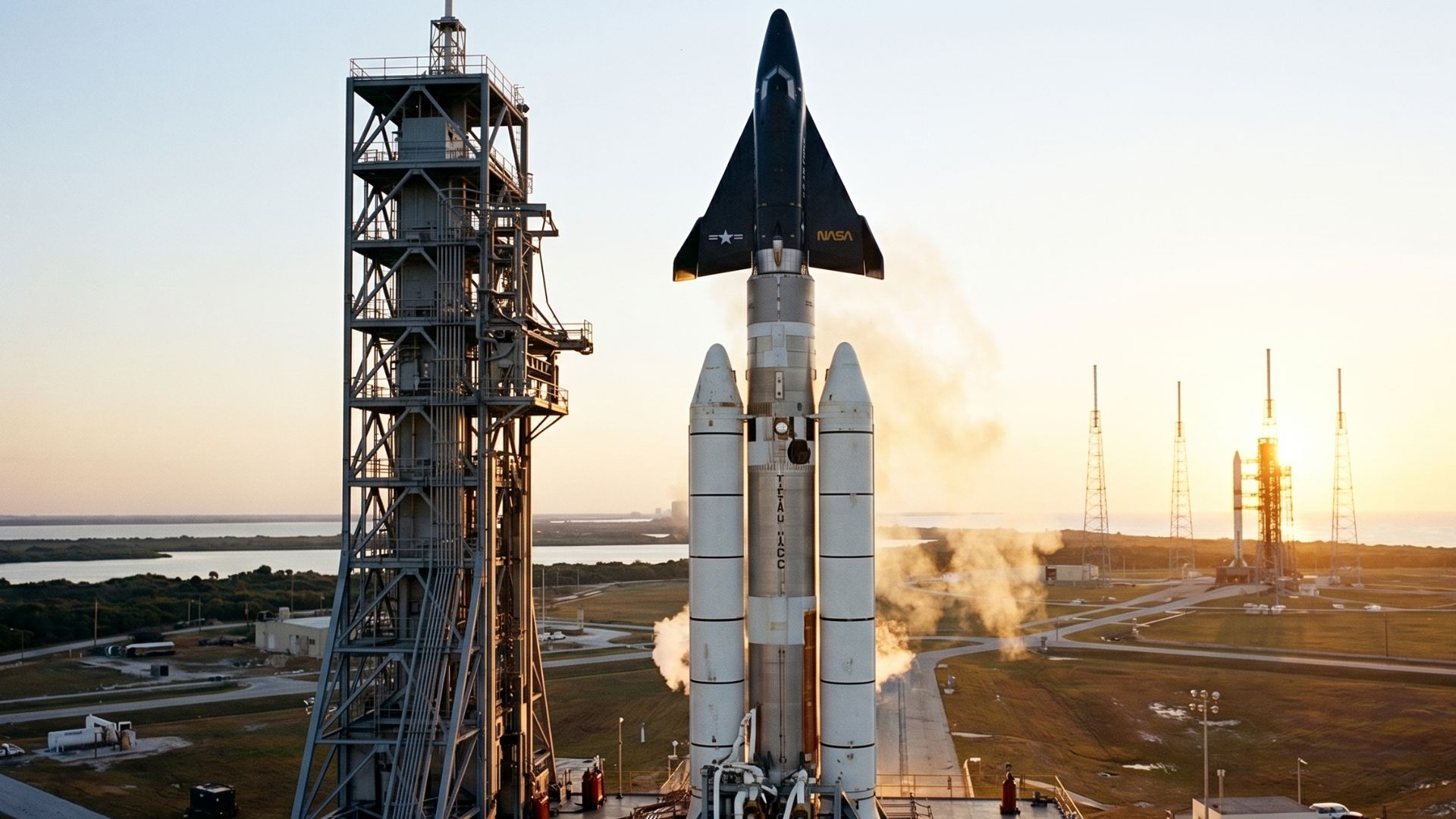
The military spaceplane that almost took the Cold War into orbit: Boeing X-20 Dyna-Soar was designed to re-enter above Mach 20, fly for up to 40 hours, land like a plane, and transform Titan rockets into a gateway to a new era of orbital warfare.


In 2018, President Vladimir Putin officially confirmed the development of the system, describing it as a weapon “with virtually unlimited range” and “capable of circumventing any existing missile defense.”
How The Poseidon Works
The Poseidon is not an ordinary torpedo:
- Nuclear Propulsion: instead of batteries or conventional fuels, it uses a miniature nuclear reactor, ensuring autonomy to cross entire oceans without needing refueling.
- Speed and Depth: can reach speeds of about 100 km/h and dive to 1,000 meters deep, far below the capability of most underwater detection systems.
- Global Range: theoretically unlimited, as nuclear propulsion provides continuous energy.
- Devastating Warhead: estimates suggest that the Poseidon could carry a warhead of up to 2 megatons — enough to devastate entire cities or generate radioactive tsunamis in coastal regions.
A New Type of Nuclear Deterrence
Unlike intercontinental ballistic missiles (ICBMs), which follow predictable trajectories and can be intercepted, the Poseidon uses the ocean as a route for attack. This creates enormous difficulties for enemy defense.
In practice, it would be like having an “invisible” nuclear bomb, capable of appearing unexpectedly on any strategic coastline. This unpredictability enhances Russia’s deterrent power, especially against NATO countries.
Current Situation of The Project
- 2019: the first submarine designed to carry the Poseidon, the Belgorod (K-329), was launched. It can carry up to six torpedo units.
- 2023: the Russian state agency TASS stated that the first Poseidon with nuclear warheads has been produced in series.
- 2024–2025: Western analyses indicate that the system is still in testing phase, with doubts about its reliability, but the Belgorod submarine is already operational.
Although there is no public evidence that the Poseidon is fully integrated into the Russian arsenal, the mere announcement of the system already generates psychological and geopolitical impact.
Controversies and Criticisms
Military experts point out that the narrative around the Poseidon may have been amplified for propaganda purposes. Creating an autonomous long-range nuclear torpedo involves enormous technical challenges:
- Miniaturization of Nuclear Reactors;
- Autonomous Navigation in Great Depths;
- Secure Control of Nuclear Warheads in Unmanned Vehicles.
Still, even if some of the disclosed capabilities are exaggerated, the mere advancement to the testing stage already demonstrates Russia’s effort to explore new frontiers of nuclear deterrence.
Poseidon Changes The Nuclear Game
The Poseidon changes the nuclear game because it is not limited to destroying military targets. Its ability to generate radioactive waves capable of devastating entire coastal regions creates a second-order effect: collapsing economies, generating humanitarian crises, and making entire areas uninhabitable.
Not coincidentally, the system is seen by analysts as a “doomsday” weapon, designed more to intimidate than to be actually used.
The Symbol of a New Arms Race
If the Cold War was marked by ICBMs and thermonuclear warheads, the 21st century is beginning to be marked by autonomous, hypersonic, and underwater weapons.
The Poseidon represents this transition: more than just destruction, it was designed to convey the idea that no defense is safe.
As Russia bets on this type of technology, the United States and China advance in hypersonic weapons and missile defenses. The result is a new global arms race that rekindles fears of instability and increases the risks of strategic errors.
The Poseidon is, at the same time, a technological feat and a grim warning. It shows how far humanity is capable of going to reinforce its military power, but it also reminds us of how we remain trapped in the logic of mutually assured destruction.


