






 Portuguese
  Spanish


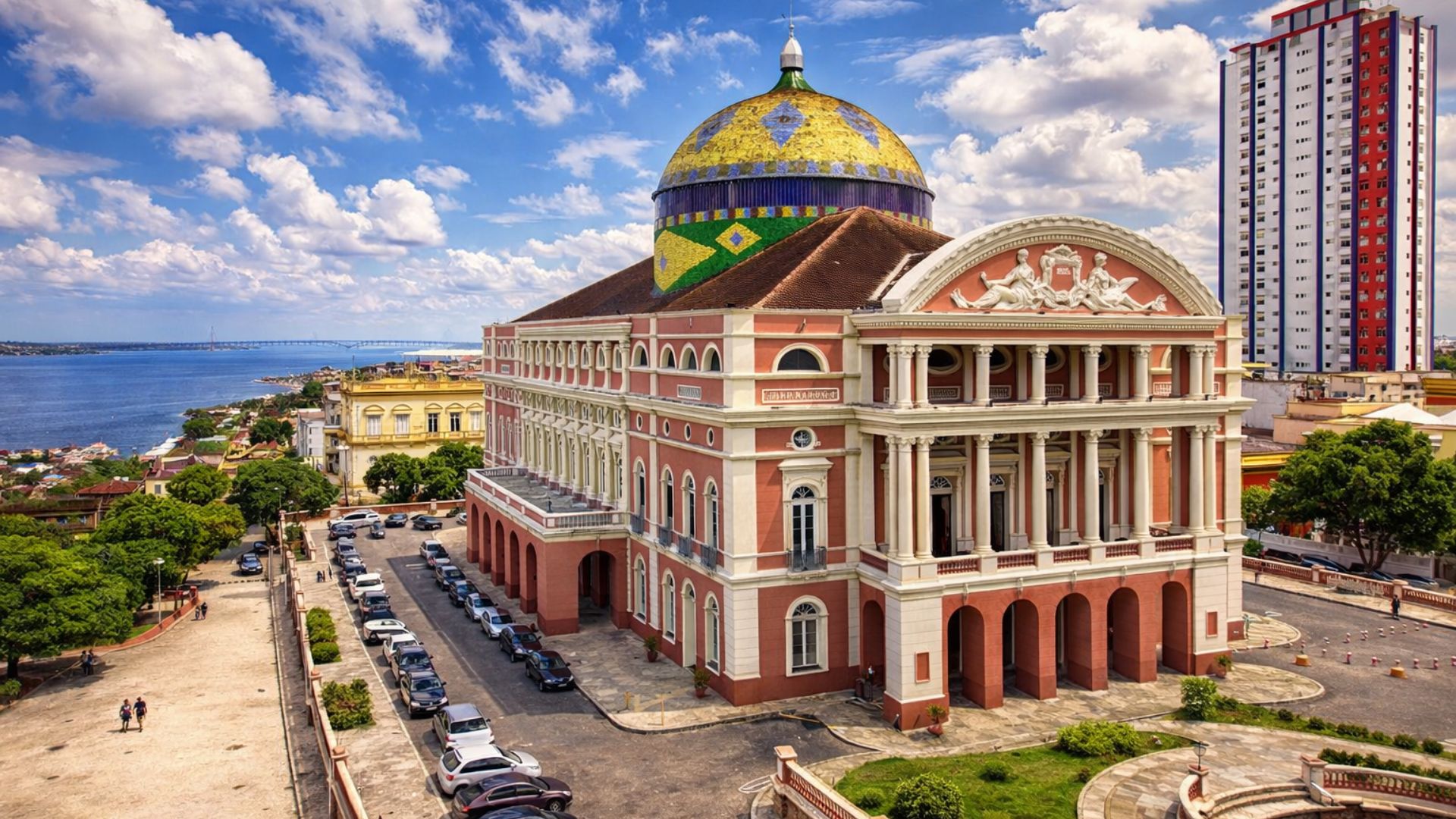

Discover how the economy of Manaus grows strongly in the North, driven by jobs, industrial innovation, and strategic investments that consolidate the role of the Free Trade Zone in regional development.
Manaus has returned to the spotlight by recording a revenue of R$ 227.6 billion in 2025 through the Industrial Hub of the Free Trade Zone. This impressive figure confirms the strength of the local economy and reinforces the strategic role of the city in the development of the North of Brazil.
The impact is direct and measurable. The industrial hub maintains over 130,000 direct jobs, in addition to thousands of indirect jobs that support various sectors. This result positions Manaus as one of the main economic engines outside the South-Southeast axis.
According to the Diário do Estado, more than just numbers, the performance reveals a consolidated structure capable of attracting investments, sustaining industry, and ensuring income for the population. The Free Trade Zone remains the central pillar of this transformation.
-
Brazil’s 2026 Tax Refund: Record 9.58 Million Filers in Largest Payout Ever, But a Key Detail on Priority Recipients Draws Nationwide Attention

-
Itaú Alters Hybrid Work Model, Increasing Office Days from 2028, Prompting Employees to Adjust to New Routine
-
Facing Labor Shortage, Japan Plans to Invest $34 Million to Attract Foreign Workers in Construction, Healthcare, Industry, and Commerce

-
Brazilian City Makes Remarkable Leap, Becomes 4th Wealthiest in the Country with GDP of R$ 134.1 Billion




How the economy of Manaus strengthens with industry and innovation
The economy of Manaus does not depend on a single sector. On the contrary, it relies on a diversified industrial base that has evolved over the past decades with a focus on innovation and technology.
The Free Trade Zone has been essential in this process. Created to reduce regional inequalities, it has transformed the Amazonian capital into a competitive industrial hub. Today, the model ensures economic stability even in the face of typical logistical and geographical challenges of the North.
Among the main factors supporting this growth are:
- Tax incentives that attract national and multinational companies
- Consolidated industrial structure developed over the years
- Skilled labor that is constantly evolving
- Integration with national production chains
This set of elements strengthens the economy and increases the relevance of Manaus in the national scenario. The result is a favorable environment for new businesses and industrial expansion.
Free Trade Zone of Manaus boosts strategic industrial sectors
The Free Trade Zone of Manaus is responsible for concentrating some of the most important sectors of the Brazilian industry. The model allows companies to operate competitively, even in a region far from major consumer centers.
Among the segments that stand out the most are:
- Electronics, with the production of televisions and digital equipment
- Computer goods, including computers and technological components
- Two-wheelers, with a focus on motorcycle manufacturing
- Chemical and thermoplastic industry
These sectors account for a large part of the R$ 227.6 billion revenue recorded in 2025. Additionally, they help consolidate Manaus as an industrial reference in the North.
Another relevant point is the continuous investment in technology. Companies located in the Free Trade Zone invest in innovation to maintain global competitiveness, which further strengthens the local economy.
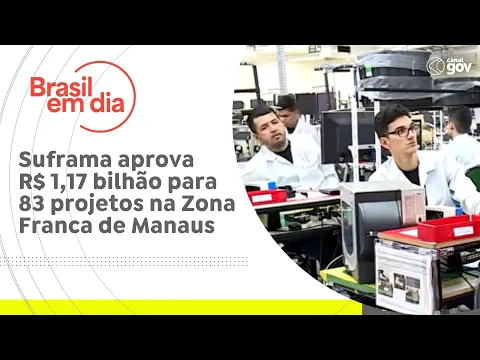

Job creation strengthens the economy in the North and reduces inequalities
Job creation is one of the greatest positive impacts of the Free Trade Zone on the economy of Manaus. With over 130,000 direct jobs, the industrial hub ensures income for thousands of families.
This effect is amplified when considering indirect jobs, which drive essential sectors of the economy in the North. Among them:
- Transportation and logistics
- Local commerce
- Specialized services
- Construction
The increase in income strengthens internal consumption and stimulates the growth of small and medium businesses. This economic cycle contributes to reducing regional inequalities, one of the main objectives of the creation of the Free Trade Zone.
Moreover, the formalization of work is an important differential. The presence of large industries contributes to more stable labor relations, promoting economic security for the population.
Technological advancement in Manaus redefines the regional economy
Manaus is not just a traditional industrial hub. The city also stands out for its technological advancement, driven by the companies located in the Free Trade Zone.
Investment in innovation has been constant. Many industries adopt modern technologies to increase efficiency and reduce costs, including:
- Automation of production processes
- Use of artificial intelligence
- Energy optimization
- Development of new products
This movement places Manaus in a strategic position within the Brazilian economy. The North is now seen not only as a productive region but also as an emerging center of innovation.
This transformation is essential to ensure sustainable long-term growth. By investing in technology, the Free Trade Zone strengthens its global competitiveness.
Investments expand the role of Manaus in the economy of the North
The growth of the economy of Manaus is also linked to the arrival of new investments. The Free Trade Zone continues to be an attractive environment for companies seeking expansion in Brazil.
In recent years, important projects have been developed to strengthen infrastructure and increase the competitiveness of the region. Among them are:
- Modernization of logistics systems
- Expansion of industrial parks
- Investments in renewable energy
- Improvement of urban infrastructure
These initiatives help consolidate the role of Manaus as the economic center of the North. At the same time, they contribute to diversifying the economy, reducing risks, and increasing stability. The attraction of investments also generates new jobs, further amplifying the positive impact of the Free Trade Zone.
Sustainability and challenges of the Free Trade Zone in the Amazon
Even with impressive results, the Free Trade Zone faces significant challenges. The main one is balancing economic growth with environmental preservation. Manaus is located in one of the most sensitive regions of the planet. Therefore, the economy needs to advance responsibly. In recent years, various initiatives have been adopted to reduce environmental impacts.
Among the main actions are:
- Increasing use of renewable energy sources
- Programs for managing industrial waste
- Preservation of urban green areas
- Reduction of pollutant emissions
These measures show that it is possible to reconcile economic development with sustainability. Still, experts point to the need to expand public policies and investments in this area. The challenge is to ensure that economic growth does not compromise the natural resources of the Amazon, maintaining the balance between production and conservation.
Why the Free Trade Zone model remains strategic for the future
The relevance of Manaus goes beyond current numbers. The Free Trade Zone model continues to be essential for the development of the North and for the economic balance of Brazil.
By generating R$ 227.6 billion and maintaining over 130,000 direct jobs, the city demonstrates its capacity to generate consistent growth. The local economy strengthens based on industry, innovation, and strategic investments.
The future of the region depends on the continuity of this model, combined with sustainable practices and technological advancements. With proper planning and policies, Manaus can further increase its participation in the national economy.
More than just an industrial hub, the city represents a real opportunity for balanced development. The Free Trade Zone shows that it is possible to grow, create jobs, and innovate while keeping the North as a protagonist in the Brazilian economic scenario.









