Portuguese
  Spanish


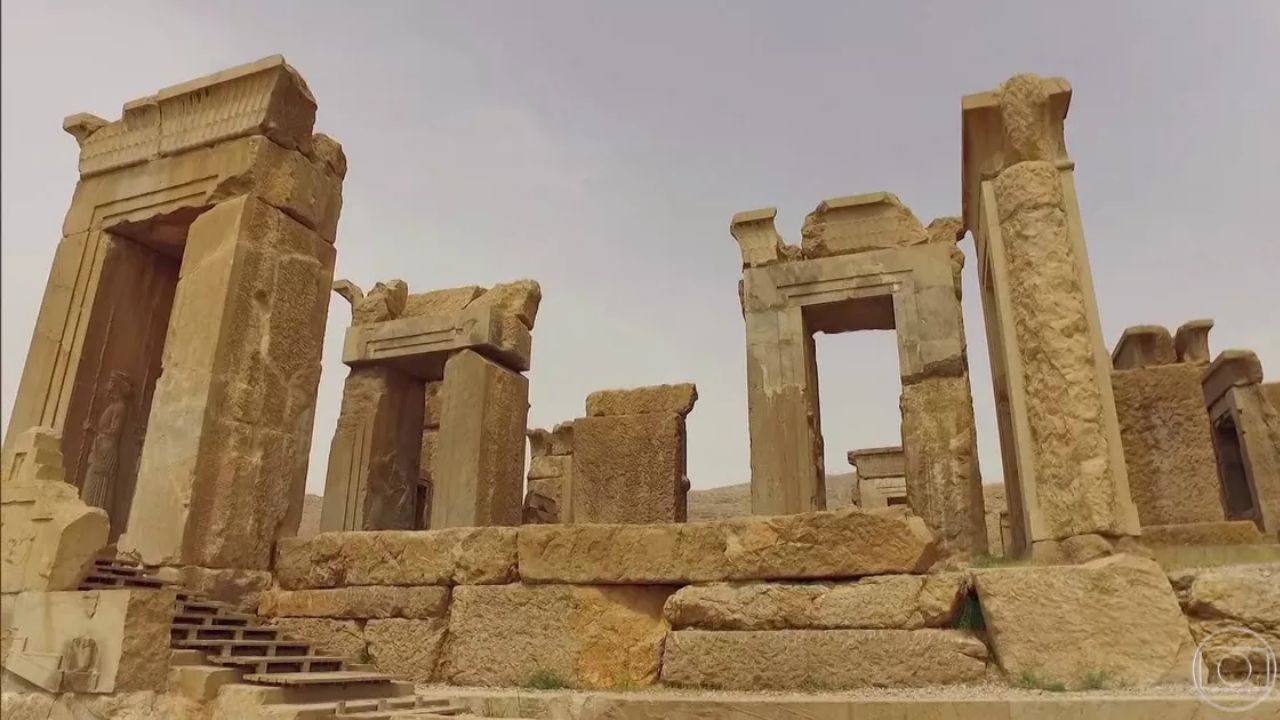


Iran Faces Ground Subsidence of Up to 25 Cm Per Year, Putting Historical Sites Such as Persepolis at Risk. UNESCO Experts Emphasize the Urgency of Sustainable Groundwater Management.
The Iran, known for its ancient heritage and civilizations dating back to 2800 B.C., faces a growing environmental problem: accelerated ground subsidence. Some regions show subsidence of up to 25 centimeters per year, compromising valuable archaeological structures, including the ruins of Persepolis.
According to Revista Fórum, UNESCO experts warn that if immediate measures are not taken, the historical heritage is at risk of irreversible damage.
Recent research shows that the Marvdasht plain, a site that concentrates important archaeological sites, is experiencing visible cracks in the ground and subsidence between 20 and 30 centimeters annually.
-
Orphaned Youth Turns Dismissed Idea into Global Prestige with Innovative Wristwatch

-
English Skills Boost Career Opportunities in the Oil and Gas Industry

-
Brazil Secures Second Place at WorldSkills 2024 in Lyon, with 64 Young Professionals and 8 Medals, Including Gold from a Rio de Janeiro Hairdresser

-
3,000 Military Personnel from 10 Countries, Including US and Chinese Marines, Train Together in Brazil’s Savanna: Operation Formosa Becomes Largest Naval Ground Exercise Before First Cancellation Since 1988



Remote sensing techniques allow for monitoring the aquifer in the Fars province, which supplies water to the region, demonstrating the direct relationship between intensive water extraction and ground degradation.
Ground Subsidence: Intensive Extraction of Groundwater
The excessive use of underground water reserves is cited as the main cause of the problem.
Historically, Iran used qanats, tunnels that naturally and sustainably transported water from the mountains to villages and farmlands.
Since the 1960s, the use of motorized pumps has replaced these systems, allowing for nearly unlimited water extraction, overloading the aquifers and accelerating ground subsidence.
The International Groundwater Resources Assessment Centre (IGRAC) indicates that about 90% of the country’s water is used for agriculture.
Although intensive use contributes to productivity, it undermines the natural recharge of aquifers, causing erosion, desertification, and soil fragility, with direct impacts on historical sites and local communities.
Environmental and Cultural Consequences
The impact of subsidence goes beyond agriculture, directly affecting cultural heritage.
Persepolis and other ancient buildings are threatened due to soil compaction and erosion caused by inadequate irrigation practices, such as open surface channels, which waste a large portion of the water.
The phenomenon increases the risk of severe structural damage to the ancient ruins.
Amir Karamzadeh, director of the Isfahan Cultural Heritage Centre, emphasizes that “it is essential to adopt a national approach to preserve both historical heritage and the environmental sustainability of the country.”
The warning underscores the need for integrated public policies that combine historical protection and environmental conservation.
Management Policies and UNESCO Actions
To tackle the issue, Iranian authorities and the Ministry of Cultural Heritage are studying sustainable groundwater management strategies.
UNESCO, through its International Hydrology and Aquifer Management Program, provides technical guidance, seeking solutions that preserve both water resources and archaeological sites.
Researchers warn that without immediate changes, excessive water extraction will continue to accelerate ground subsidence, jeopardizing centuries of history and the environmental stability of the country.
Strategies include regulating irrigation, monitoring wells, and raising awareness about sustainable agricultural practices.
The situation in Iran highlights how uncontrolled exploitation of natural resources can threaten not only the environment but also cultural heritage.
Without effective interventions, historical monuments, fertile soils, and vital aquifers may be compromised, turning a millenary legacy into an increasingly vulnerable memory.