Portuguese
  Spanish


Scientists from Unicamp Present Innovative Solution for the Environment: Sustainable Reactors Using Solar Energy and Photocatalysts to Treat Effluents and Reduce CO₂ Emissions
Researchers from University of Campinas (Unicamp) announced this week the development of two sustainable reactors that use solar energy and photocatalysts to promote water decontamination and carbon dioxide (CO₂) capture. The technology, already patented with support from Innovation Agency Inova Unicamp, marks a milestone in the integration between environmental treatment and clean energy generation.
In addition to eliminating pollutants such as pharmaceuticals and dyes, the reactors also convert CO₂ into ethanol, contributing to the reduction of industrial emissions and offering a renewable energy alternative. The project is led by Professor Cláudia Longo from the Institute of Chemistry at Unicamp.
Unicamp Sustainable Reactors: How the Two Models Work
The first model developed by the Unicamp team uses a photocatalyst positioned at the anode, connected to a solar cell. When exposed to sunlight, the system promotes chemical reactions that remove organic contaminants dissolved in water, such as detergents, dyes, and pharmaceutical residues.
-
Green Roofs on Homes Gain Popularity for Reducing Heat, Noise, and Rain Impact in Brazil

-
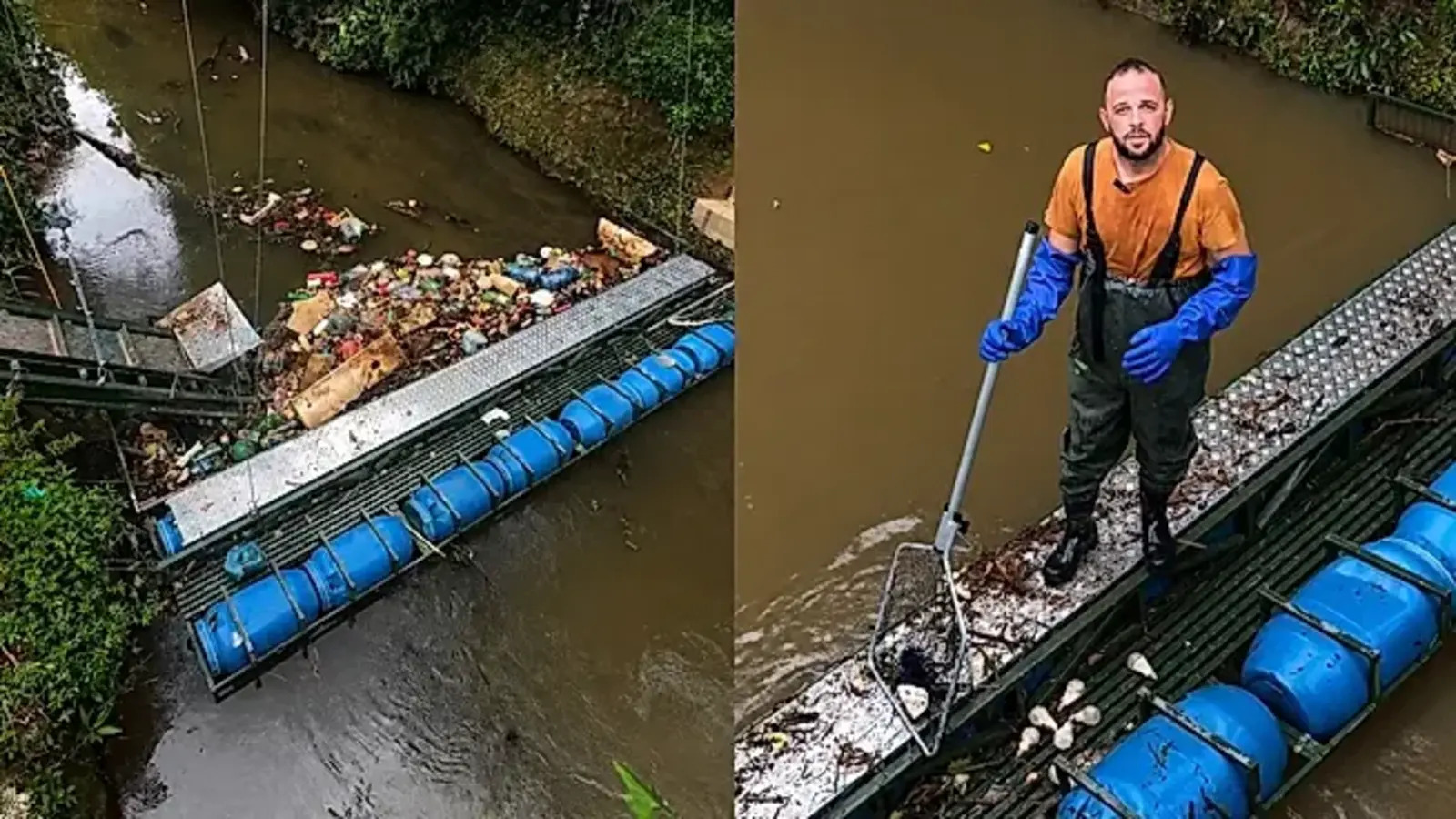
Brazilian promises his children to save a river, creates an eco-barrier in his backyard, has already removed more than 40 tons of trash from the water, and even inspires the idea in other states of the country.

-
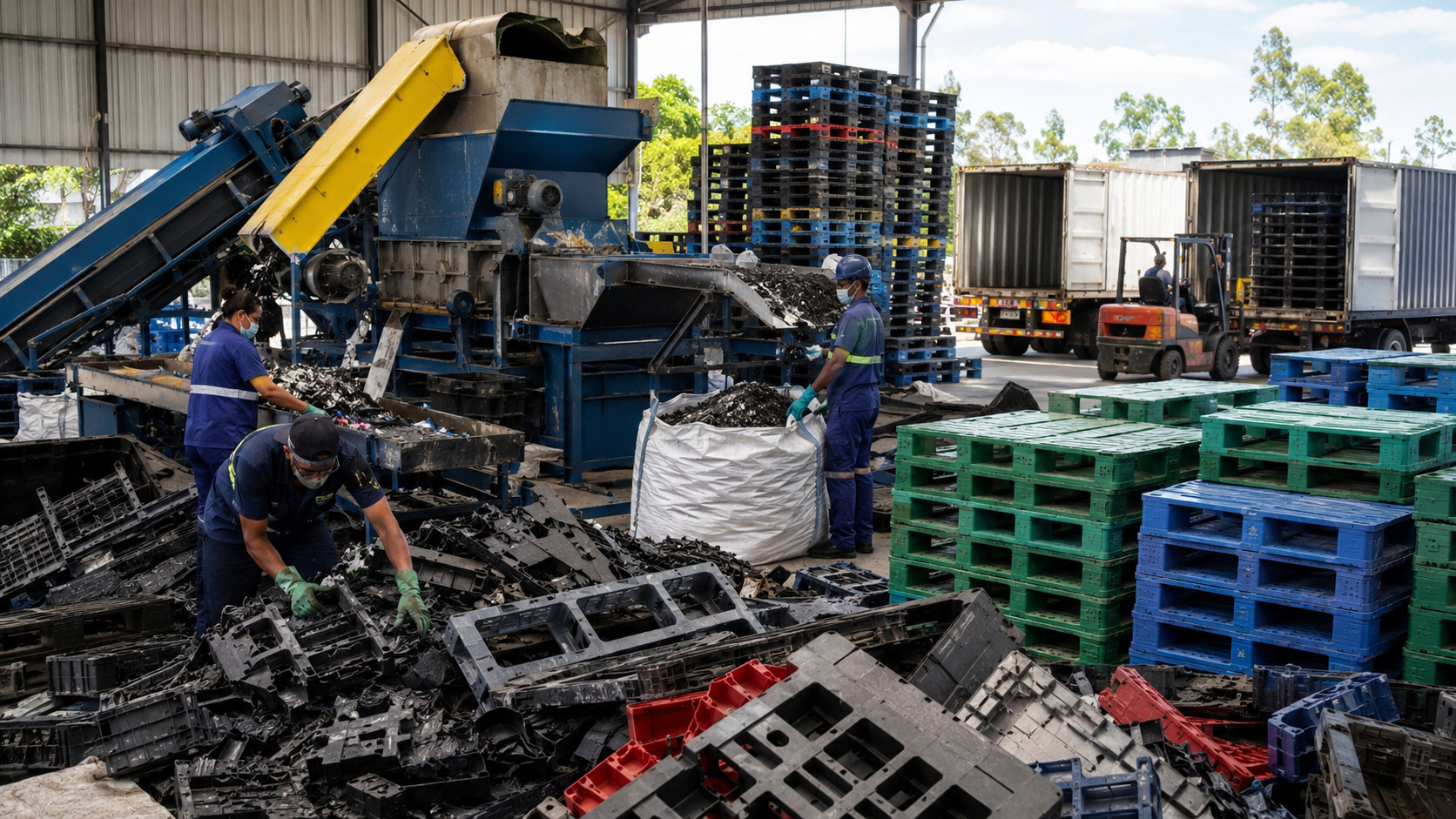
How a Brazilian company created a system that transforms broken pallets of any brand into new assets, recycles 80 tons of plastic per month, and found a profitable solution to a problem that challenges industries across the country.
-
Invasive bullfrog capable of devouring other amphibians and laying up to 20,000 eggs is found in Florianópolis, raising an alert about the threat to native fauna.


This process eliminates the need for conventional chemical reagents, such as chlorine, which can generate toxic by-products and require special storage precautions. The adoption of solar energy as the electrical source makes the system self-sufficient and environmentally responsible.
Water decontamination through photocatalysis is considered one of the most promising techniques today, due to its efficiency and low environmental impact. The use of light-activated semiconductors allows the degradation of complex organic compounds, making the water safe for reuse.
CO₂ Capture and Ethanol Production with Photocatalysts
The second reactor incorporates a gas diffusion semiconductor electrode as a cathode, capable of generating hydrogen peroxide — a highly effective agent in pollutant elimination. Furthermore, the system converts CO₂ into ethanol, using complex oxides as photocatalysts.
This functionality allows the reactor to be coupled to industrial chimneys, capturing carbon dioxide before its release into the atmosphere. The generated ethanol can be used as fuel, enhancing the positive impact of the technology on the Brazilian energy matrix.
According to the Unicamp team, the process is highly efficient and can be adapted to different scales, from small units to large industrial installations. The combination of carbon capture and fuel generation represents an integrated solution to contemporary environmental and energy challenges.
Practical Applications of Unicamp Sustainable Reactors
The sustainable reactors from Unicamp are designed for direct use in effluent treatment, both in industrial and residential environments. Their capacity for water decontamination and emission reduction makes them ideal for companies seeking environmentally responsible solutions.
Additionally, the versatility of the photocatalysts allows for different chemical reactions to be activated, depending on the type of semiconductor used. This broadens the range of possible applications, from treatment plants to water reuse systems.
The use of solar energy as the primary source makes the reactors especially viable in regions with high solar incidence, such as the Brazilian Northeast. This reduces operational costs and increases the autonomy of the systems.
Carbon Footprint Reduction and Biofuel Generation
By capturing CO₂ and converting it into ethanol, the reactors directly contribute to mitigating climate change. According to SEEG, Brazil emitted approximately 2.3 billion tons of greenhouse gases in 2023. Technologies like this can help reduce that number significantly.
Companies that adopt solutions like Unicamp’s reactors can improve their ESG (Environmental, Social, and Governance) indicators, in addition to meeting regulatory requirements and the expectations of increasingly conscious consumers.
The ethanol generated can be used as fuel in vehicles or as a raw material in the chemical industry, enhancing the added value of the technology. The integration of carbon capture and energy production is a global trend, and Brazil can position itself as a leader in this segment.
Scientific Research and Patents from Unicamp with Solar Energy
Research began in 2009 with evidence of the efficiency of the first reactor in removing organic contaminants. Since then, the team led by Cláudia Longo has improved the system by adding a porous electrode similar to a sponge, also covered by photocatalysts.
This configuration allows for both the anode and the cathode to be activated by sunlight, increasing the efficiency of the process and reducing operational costs. The exclusive use of solar energy also eliminates the need for external electricity sources.
The research was supported by funding agencies such as Fapesp and CNPq, in addition to partnerships with international centers of excellence. The multidisciplinary approach involved chemists, engineers, and specialists in advanced materials.
Licensing and Commercial Expansion of Sustainable Reactors
The patents for the technologies are available for licensing by companies interested in bringing the innovation to market. The potential for application is broad, covering everything from effluent treatment units to industrial sectors looking to reduce their carbon emissions.
Inova Unicamp acts as a bridge between researchers and the productive sector, facilitating technology transfer and promoting open innovation. The licensing model allows companies to tailor the reactors to their specific needs, accelerating large-scale adoption.

Use of Solar Energy: Global Impact of the Innovation
The sustainable reactors from Unicamp are aligned with various UN SDGs, especially:
- SDG 6: Clean Water and Sanitation
- SDG 7: Affordable and Clean Energy
- SDG 9: Industry, Innovation, and Infrastructure
- SDG 13: Climate Action
By promoting water decontamination and CO₂ capture using solar energy, the technology contributes to a more sustainable and resilient future. The integration of science and environmental responsibility is essential to addressing the challenges of the 21st century.
This project reinforces Unicamp’s role as a reference in scientific research and technological innovation in Brazil. The university has stood out in international rankings and maintains partnerships with world-renowned institutions.
Investments in science and technology are critical to addressing the environmental and social challenges of the 21st century. Initiatives like this demonstrate that Brazil has the potential to lead sustainable solutions on a global scale.
Pathways to a Cleaner and More Efficient Future
The creation of sustainable reactors by Unicamp represents a significant advancement in the integration of science, technology, and sustainability. Utilizing solar energy and photocatalysts, the devices promote water decontamination and CO₂ capture, offering effective solutions to urgent environmental problems.
With practical applications across various sectors, scalability potential, and a positive impact on the energy matrix, this innovation reinforces the importance of national scientific research. The future of sustainability relies on initiatives like this — and Unicamp is at the forefront of this transformation.