






 Portuguese
  Spanish


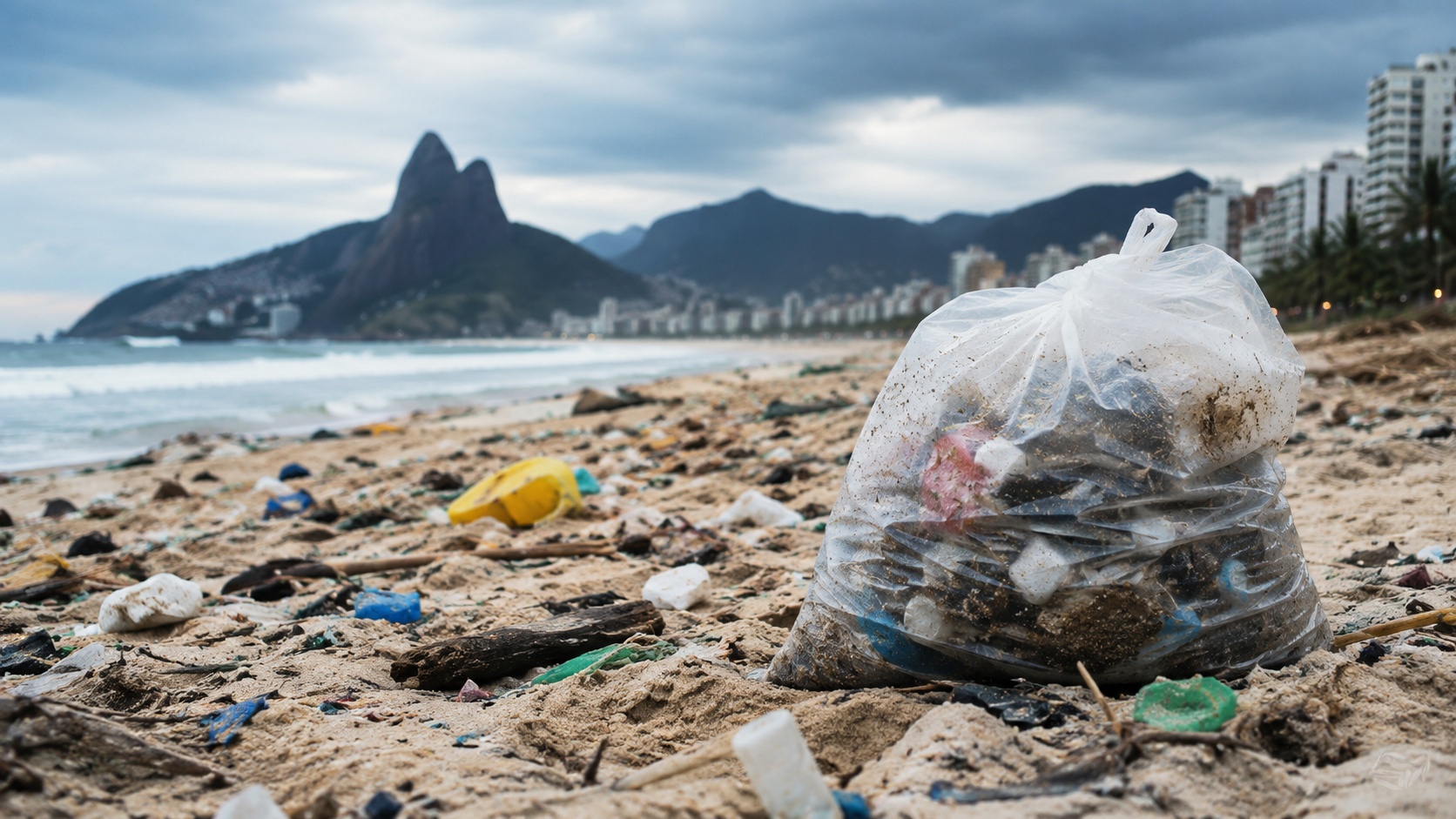

Brazil joins global initiative to reduce plastic pollution on the Brazilian coast with science, circular economy, and new environmental actions.
The increasing presence of disposable waste on beaches has placed Brazil at the center of a new global strategy against plastic pollution. The country has officially joined the Plastic Reboot, a major international project that will be developed over five years focusing on creating sustainable solutions for Brazilian coastal cities.
According to information released by MCTI on May 22, 2026, the initiative brings together governments, researchers, companies, and international organizations to accelerate the reduction of plastic waste in coastal regions. The project also aims to strengthen public policies, expand circular economy actions, and develop models that can be replicated in other cities across the country.
A study published in 2026 by the scientific journal One Earth showed the extent of the problem: plastic food and beverage packaging appeared in 93% of the coastal areas analyzed in 94 countries. Bottles, caps, cups, straws, and delivery packaging lead the waste found.
-
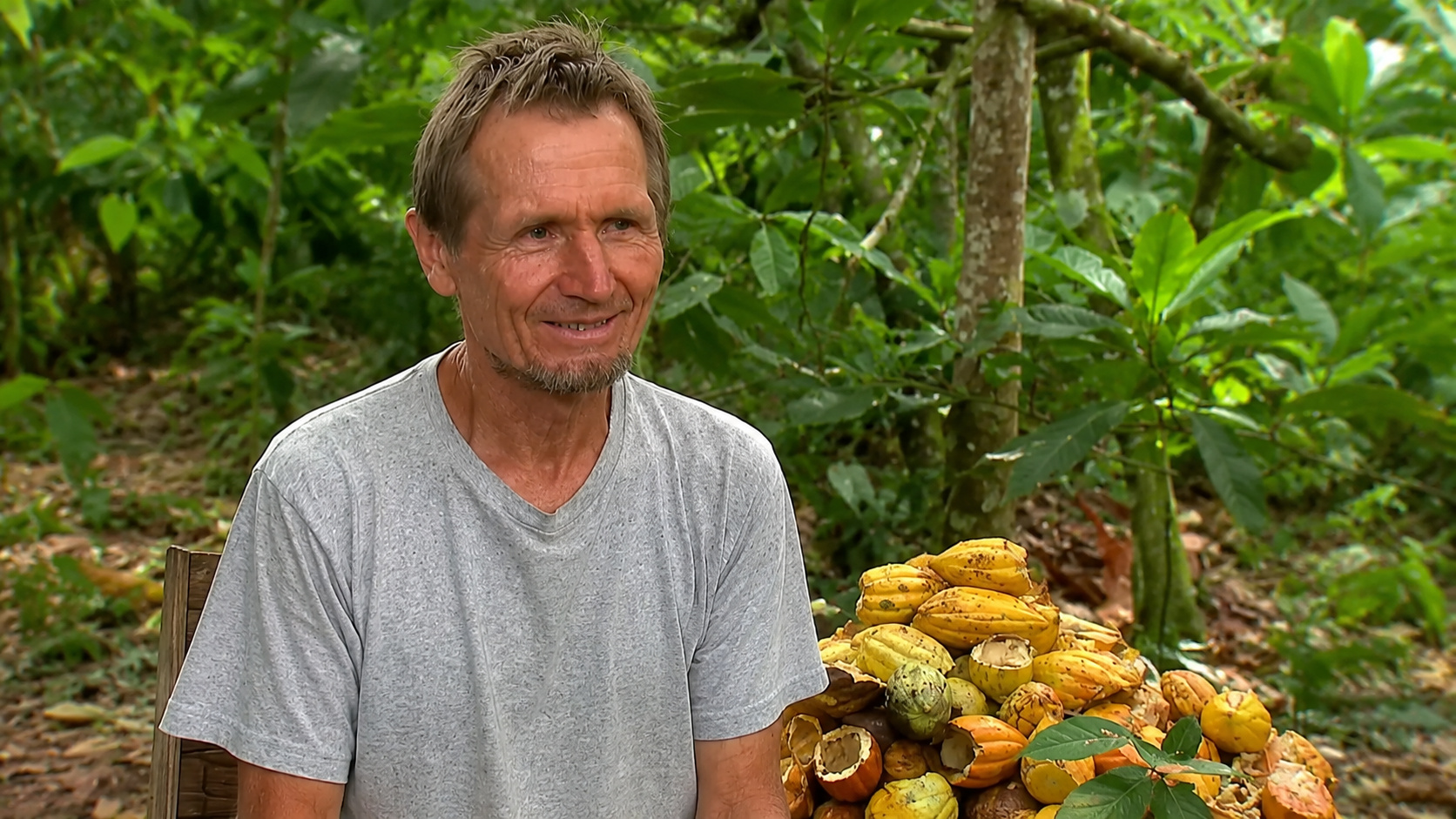
Farmer Revives Arid, Abandoned Land in Brazil’s Bahia into Thriving Forest, Demonstrates How ‘Syntropic Agriculture’ Can Transform Rural Futures

-
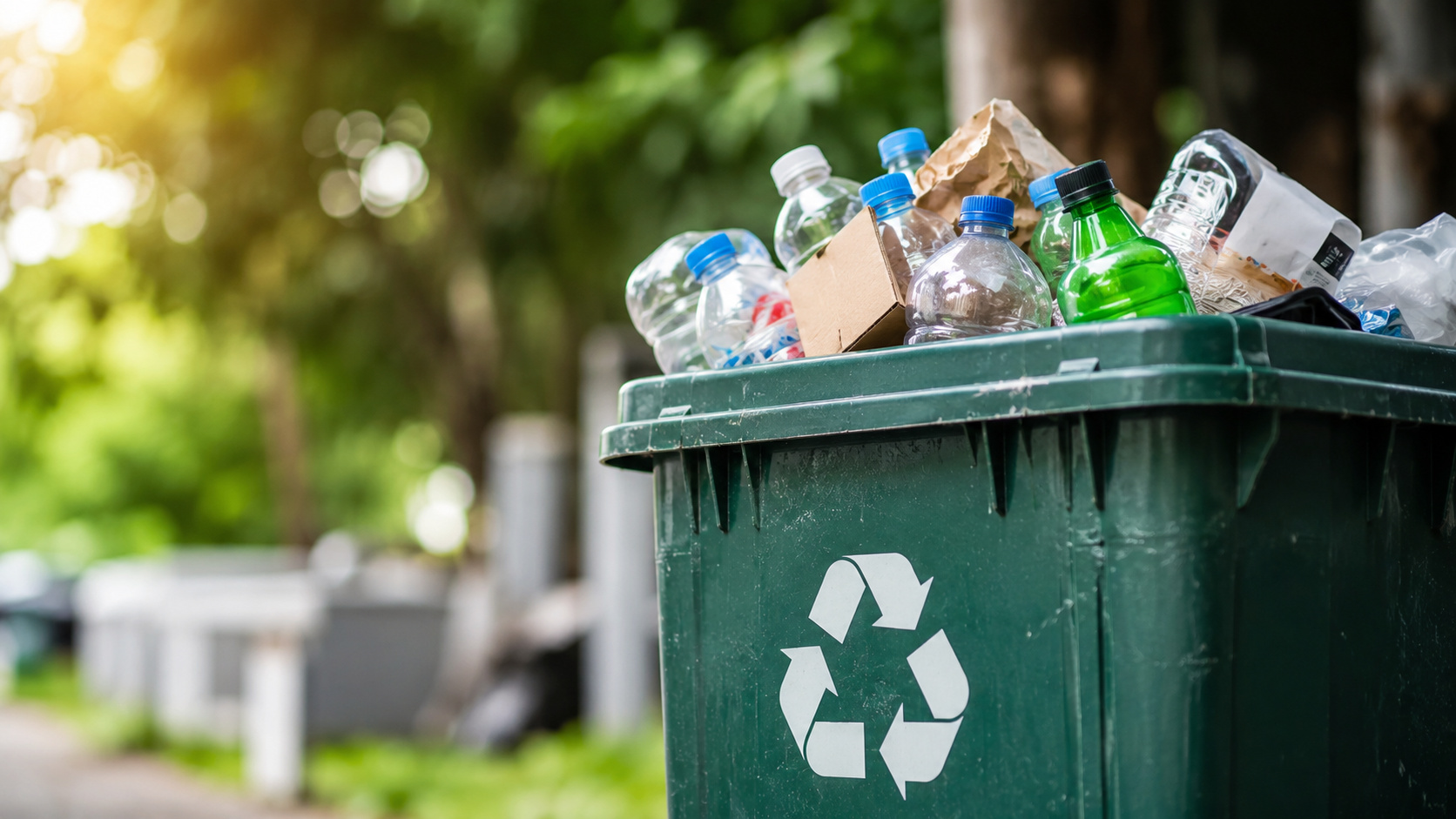
Study Reveals 40% of Brazilians Unaware of Circular Economy, Highlighting Challenges in Sustainable Transition and Recycling Expansion
-
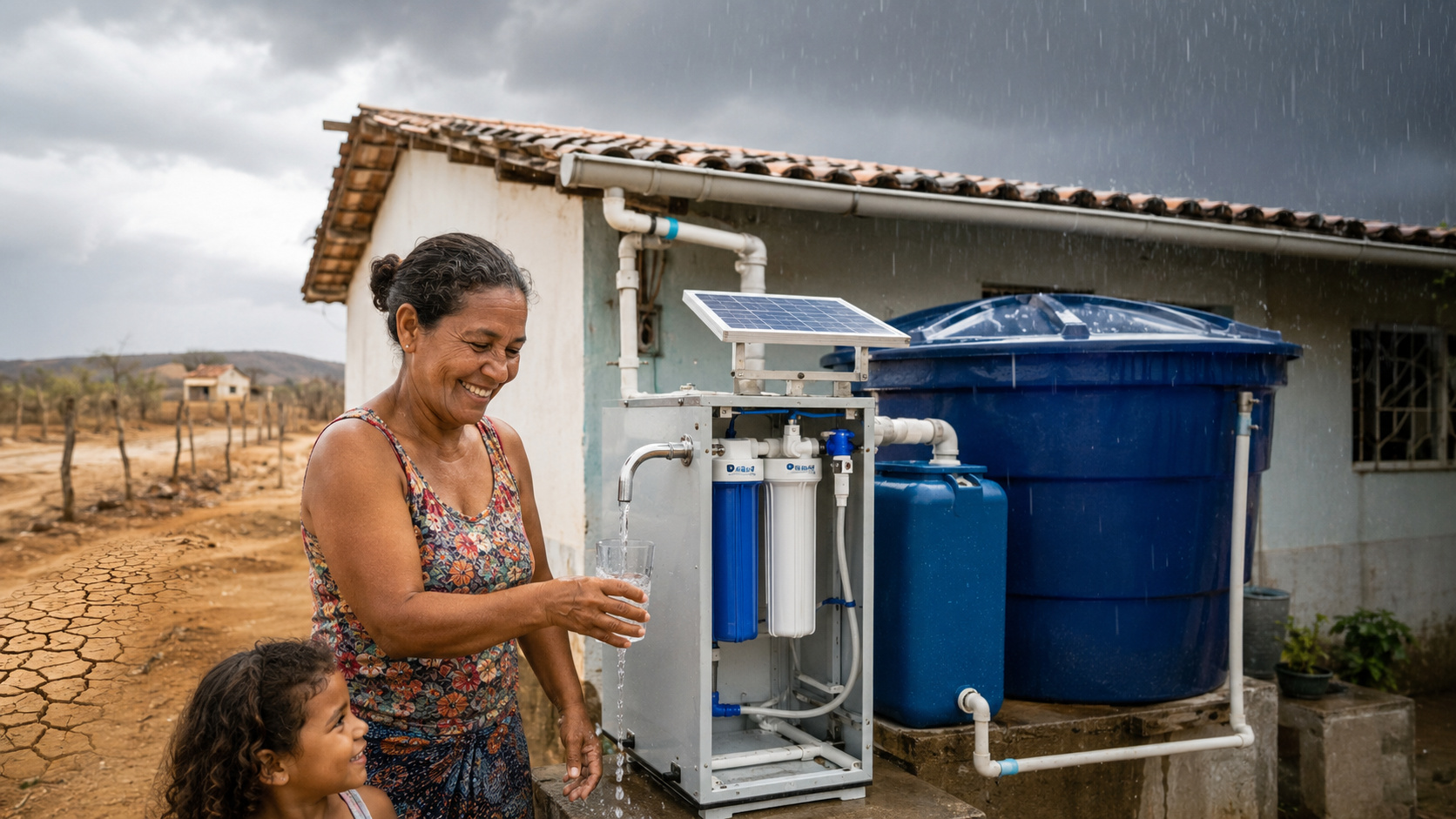
Brazilian Startup Converts Rain into Potable Water Without Chemicals, Surpasses 10 Million Liters, Joins $1.2 Million Project to Bring Simple Technology to Drought-Stricken Areas in Northeast Brazil
-
Brazilian Company Innovates with Treated Water Billing Model, Surpassing 10 Billion Liters and Offering Up to 40% Savings for Large Industries

Major international project places Brazilian cities at the center of environmental actions
The Plastic Reboot officially began its implementation phase in Brazil after the first meeting of the Steering Committee held at the Ministry of Science, Technology, and Innovation (MCTI).
The program seeks to address plastic pollution not only as an environmental issue but also as a matter related to urban infrastructure, logistics, industry, and consumption habits.
The proposal involves:
- Economic incentives for sustainable solutions
- Pilot projects in coastal cities
- Environmental awareness campaigns
- Expansion of the circular economy
- Continuous scientific monitoring
The coordinator of Sea and Antarctica at the Secretariat of Strategic Policies and Programs of MCTI, Leandro Viegas, highlighted that the goal is to create solutions that leave a legacy for other Brazilian regions.


Plastic pollution rapidly advances on the Brazilian coast
Experts point out that plastic pollution already directly affects beaches, mangroves, rivers, and urban areas of the Brazilian coast. Besides the environmental impact, the problem also affects important economic sectors such as tourism, fishing, and local commerce.
A large part of the waste found on the beaches comes from the daily consumption of disposable products. The growth of delivery services and the use of plastic packaging has further increased the pressure on urban collection systems.
The most commonly found materials include:
- Plastic bottles
- Disposable bags
- Cups and lids
- Plastic cutlery
- Food packaging
According to researchers involved in the project, much of this waste ends up reaching the oceans due to failures in selective collection, irregular disposal, and lack of adequate infrastructure.

Selected cities will receive actions to reduce plastic waste
The project selected four Brazilian coastal capitals and nine municipalities of Baixada Santista to initiate field actions.
The participating cities are:
- Belém (PA)
- Salvador (BA)
- Rio de Janeiro (RJ)
- Florianópolis (SC)
- Bertioga (SP)
- Cubatão (SP)
- Guarujá (SP)
- Itanhaém (SP)
- Mongaguá (SP)
- Peruíbe (SP)
- Praia Grande (SP)
- Santos (SP)
- São Vicente (SP)
The main goal is to accelerate the reduction of plastic waste through technical, economic, and regulatory solutions adapted to the reality of each municipality.
The initial focus will be the Horeca sector, consisting of hotels, restaurants, and cafes, considered one of the segments that generate the most disposable packaging in tourist areas of the Brazilian coast.
Circular economy gains strength within the mega international project
One of the pillars of the mega international project is the strengthening of the circular economy. The concept seeks to expand the reuse of materials and reduce resource waste.
In practice, the project aims to stimulate:
- Gradual replacement of disposables
- Expansion of recycling
- Creation of local reuse chains
- Incentives for new packaging models
During the meetings held by the project, representatives mentioned difficulties faced by hotels in Salvador in replacing plastic bottles with glass containers due to the lack of local suppliers.
This type of obstacle shows that the reduction of plastic waste depends not only on public awareness but also on the adaptation of the production chain and regional logistics.
Science and monitoring will be decisive against plastic pollution
The production of scientific data will be one of the program’s foundations. Researchers will monitor consumption patterns, disposal, and waste circulation in participating cities.
According to Andrea Cancela da Cruz, general coordinator of Science for Ocean and Antarctica at Seppe, science will play a central role in building public policies related to combating plastic pollution.
The project is also aligned with the goals of the Decade of Ocean Science and national strategies aimed at environmental preservation.
In addition to measuring results, monitoring will allow identifying the main urban bottlenecks related to the irregular disposal of waste on the Brazilian coast.
Project seeks to improve tourism, health, and environmental quality
The impacts of plastic pollution go beyond environmental issues. Dirty beaches and contaminated rivers directly affect the economy of tourist cities and can compromise the quality of life of the population.
According to Marcos Albuquerque, the technical coordinator of the initiative, the project aims to increase public awareness and encourage practical changes in the consumption of disposable materials.
The expectation is that the actions will contribute to:
- Improve the quality of beaches
- Reduce impacts on marine fauna
- Strengthen sustainable tourism
- Stimulate new environmental policies
- Encourage more conscious consumption habits
The organizers emphasize that the goal is not to completely ban plastic, but to develop technically and economically viable solutions.
Brazil expands global cooperation to protect the Brazilian coastline
Brazil’s official entry into the Plastic Reboot was announced in October 2025 during the project’s first Annual Conference, held in Salvador. The meeting brought together representatives from the 15 participating countries of the international initiative.
The representative of the United Nations Environment Programme (UNEP), Isabelle Vanderbeck, highlighted that Brazil plays a significant role due to the country’s territorial size and environmental diversity.
The project will be funded by the Global Environment Facility (GEF) and executed by the Foundation for Scientific and Technological Enterprises (Finatec), in partnership with UNEP and WWF.
Also participating in the coordination are bodies such as:
- Ministry of the Environment
- Ministry of Cities
- Ministry of Tourism
- Ministry of Development, Industry, Commerce, and Services
- Ministry of Foreign Affairs
What the next five years can change in coastal cities
The coming years will be decisive for measuring the impact of the Plastic Reboot actions in combating plastic pollution. The expectation of the government and partner institutions is to transform pilot projects into national references for sustainable development.
The mega international project aims to create solutions that can be replicated in different regions of the country, strengthening environmental policies and expanding the reduction of plastic waste on a large scale.
With integration between science, the productive sector, and public management, Brazil seeks to build a new model of environmental preservation for the Brazilian coastline, combining sustainability, innovation, and economic development.
With information from MCTI







