Portuguese
  Spanish


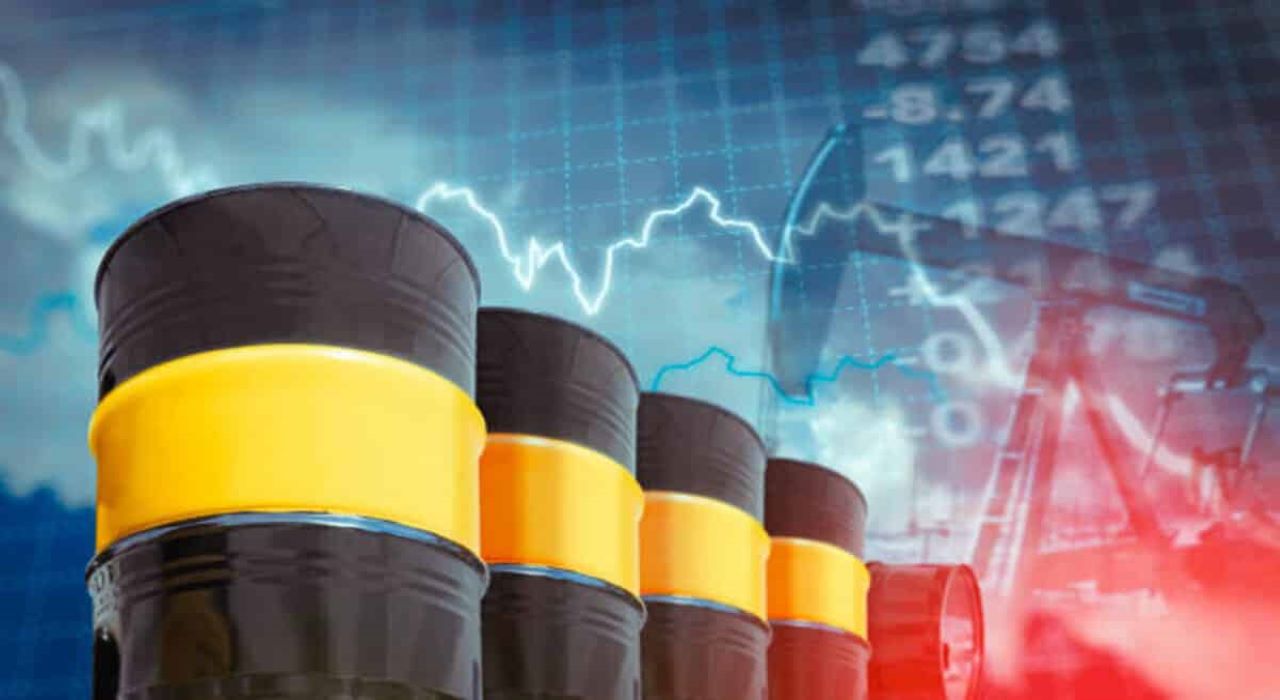

The Measure Taken By OPEC May Influence The Pricing Policy Of Petrobras. Now Each Barrel Of Brent Oil Costs A Little More Than $93
The OPEC took the initiative this Wednesday morning (6) to reduce daily oil production by approximately 2 million barrels, which may affect the economy, as the oil sector is expected to experience price increases due to higher demand. Petrobras may unexpectedly raise fuel prices since its pricing policy is based on Brent crude oil prices, which have seen an average increase of 1.75%, with the price of oil barrels rising from $82 to currently being traded at $93.
The price of oil just a few days ago posed a risk of recession and was already averaging $90 per barrel, an increase of $3 in a short period that has raised concerns among specialists.
OPEC May Cause Fuel Shortages
Goldman Sachs has warned that if OPEC wishes to make further oil production cuts, the price of oil could rise sharply, reaching the record price of $130 seen at the beginning of this year in 2022.
-
At 14 years old, she worked in a factory in Hong Kong, studied economics abroad, and then entered the Chinese real estate market, which helped change the landscape of Beijing.

-
While NATO secured more than $10 billion in missiles and space surveillance at a single forum, Brazil still spends 1.1% of its GDP on defense and is stalling its own anti-aircraft system.

-
Corn ethanol attracts R$ 23 billion in 21 new plants and prepares for a nearly 50% jump in Brazilian production by 2027, even with high interest rates.
-
A newly opened terminal in the middle of the Amazon has begun transporting soy and corn through Amapá, eyeing the queue of ships that is congesting the ports in the South.


According to Ricardo Martins, chief economist at Planner Corretora, “OPEC does not like low prices.” This expectation that the price of oil would drop to $80 quickly led OPEC to decide to cut production, citing productivity or even wells that had been exploited for many years. It would be important to keep prices at these levels to intensify investments, the economist explains.
About OPEC
The Organization of the Petroleum Exporting Countries (OPEC) was created in Baghdad, Iraq, in September 1960. It is an organization that deals with issues and interests related to oil exploration, production, and global export/import. Its members work together to control the price of oil, seeking competitiveness and stability in the oil market.
From the perspective of many, OPEC functions as a cartel that controls oil prices, production, and distribution. However, to avoid being seen as a cartel, the justification refers to some historical failures of the group in price control and crises involving fossil fuels, such as during the crisis of the 1970s.