






 Portuguese
  Spanish
  3 min of reading


Brazil Returns to the World Ranking of Installed Capacity per Year in the Solar Energy Sector According to Absolar. The Country Ranked 9th with Its 3.15 GW of Capacity in Renewable Energy
According to mapping by the Brazilian Photovoltaic Solar Energy Association (Absolar), using data from the International Energy Agency Photovoltaic Power Systems Programme, Brazil ranked ninth in the World Ranking of Installed Renewable Energy Capacity per Year for photovoltaic solar energy in 2020. The data includes both small solar energy systems in distributed generation in homes, industries, businesses, rural properties, as well as large centralized plants.
Read Also
Understand Better the Solar Energy Mapping by Absolar
According to Absolar’s mapping, in 2020, 3.15 GW were installed from photovoltaic solar energy in Brazil. Of that total, only 617.6 MW is from centralized generation and 2.53 GW in distributed generation systems. Thus, in 2020 alone, the solar energy sector brought approximately R$ 16 billion in new investments and around 99 thousand job openings to Brazil.
From 2012 until the end of 2020, there were about R$ 42.1 billion in investments in renewable energy, generating over 236 thousand accumulated job openings. China leads the ranking for renewable energy, followed by the United States, Vietnam, Japan, and Germany. Brazil had already secured the 10th position in the ranking in 2017 and 11th in 2018.
-
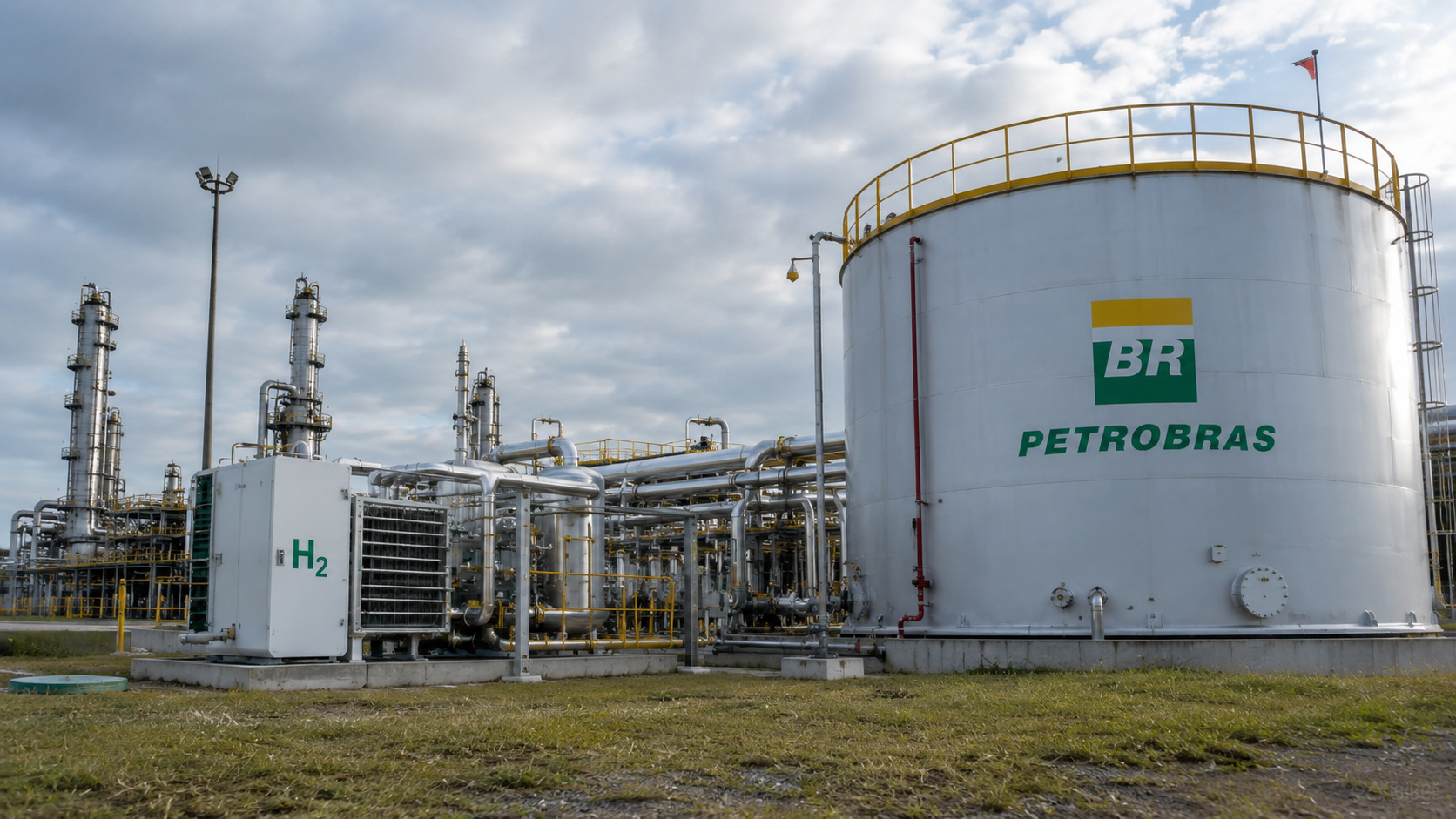
Brazilian scientists are simultaneously advancing two research projects on clean hydrogen and driving solutions that could transform the energy matrix, enhance industrial competitiveness, and accelerate large-scale emission reduction targets.

-
Advancement in renewable energy: A R$ 150 million project launched by Petrobras and Finep aims to create state-of-the-art electrolyzers for green hydrogen, strengthening national research and preparing Brazil to compete in a billion-dollar energy market.
-
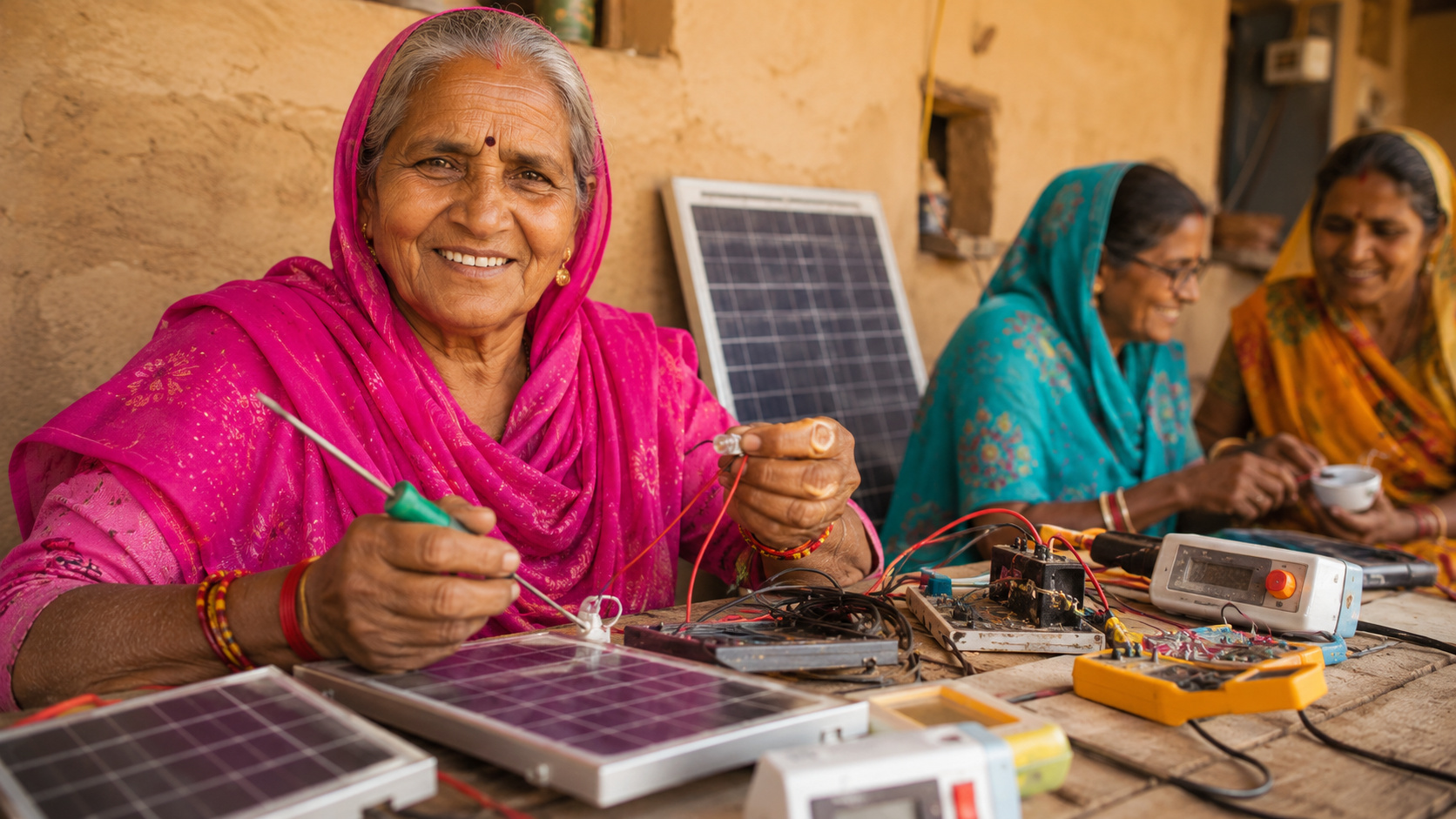
Illiterate or semi-literate grandmothers were trained to repair solar systems, open rural workshops, and light up homes that still depended on kerosene.
-
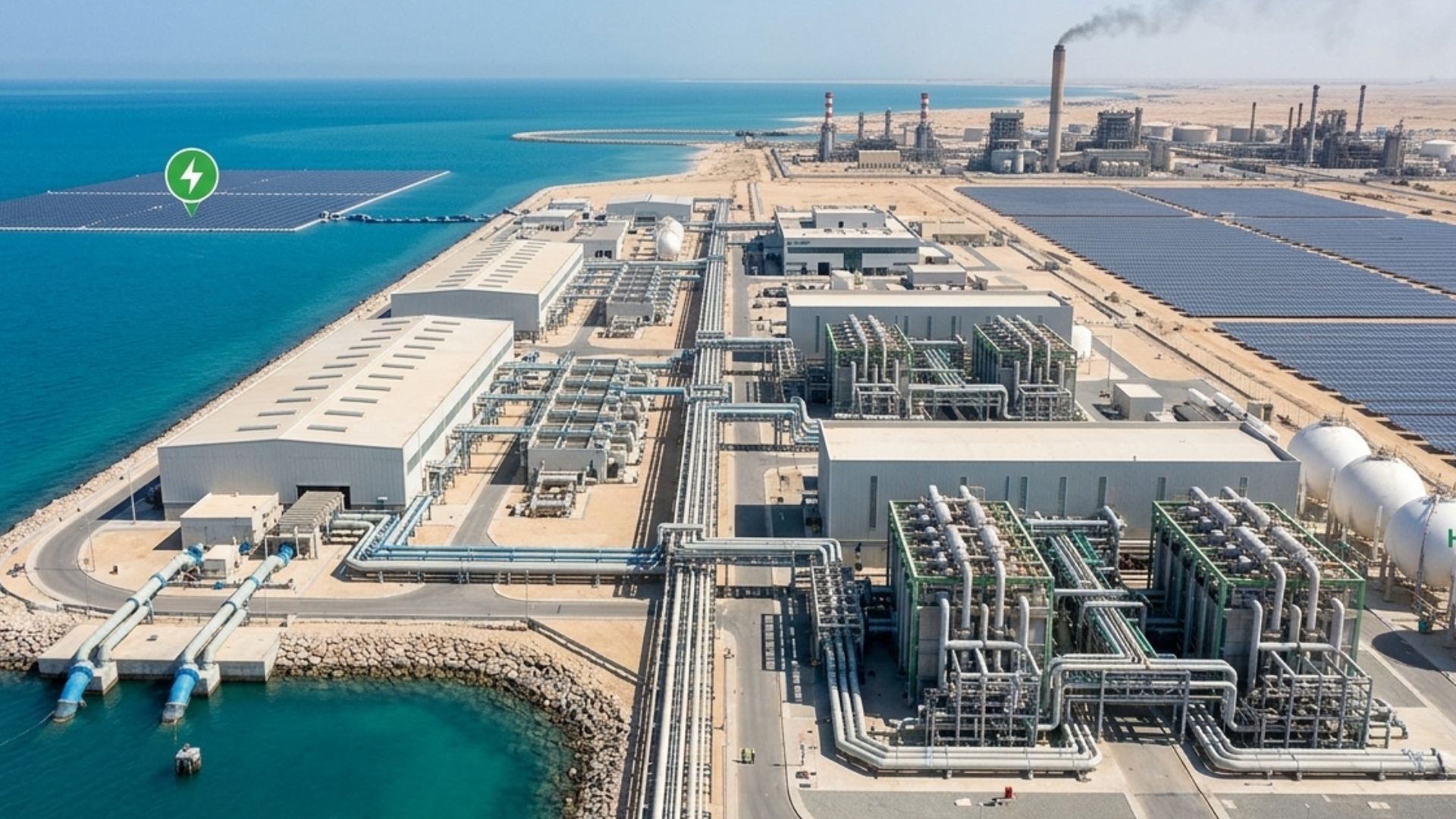
The world has bet on green hydrogen as the fuel of the future, but now faces the side effect: producing 1 kilogram requires about 9 liters of ultrapure water, and the largest projects on the planet are precisely in the driest regions of the Earth, where water is already scarce for people.


Absolar Celebrates Brazil’s Return to the Ranking
Ronaldo Koloszuk, Chairman of the Board of Directors of Absolar, celebrated Brazil’s return to the ranking with the 9th place but emphasized that Brazil, which has one of the best and largest resources of this renewable energy in the world, has the capacity to achieve more prominence in the solar energy ranking, with programs and policies that counteract global warming and promote the transition to renewable energy.
According to Koloszuk, the country is on the brink of voting on the bill that supports the taxation of solar energy, bringing around R$ 139 billion in investments in the sector by 2050, in addition to more than 1 million job openings in the coming years.
The Growth of Renewable Energy Amid the Pandemic
The COVID-19 pandemic has driven the development of new investments in the renewable energy sector. According to studies by PwC, this trend could lead the energy sector to the long-desired zero emission target by 2050.
The Federal Government of Brazil created the Covid Account, through the Decree 10.350/20, to financially support the utilities, maintaining their operations healthy and allowing continued investments in the sector.




Be the first to react!