





 Portuguese
  English
  Spanish
  4 min of reading
  0 comments


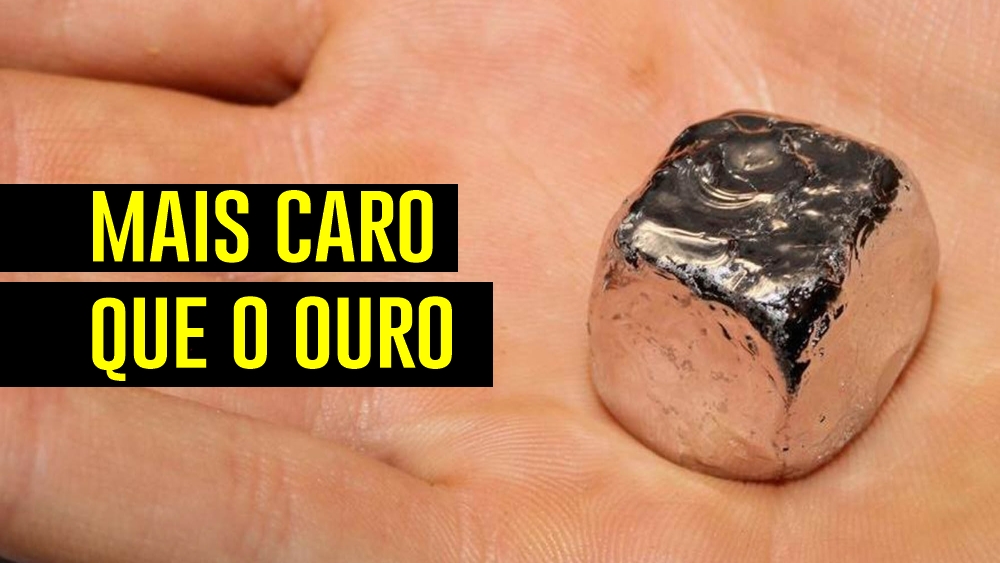
Rare And ‘Extraterrestrial’ Metal Surpasses Gold In Value Due To Its Importance For Green Hydrogen Production, Boosting The Energy Market
The production of green hydrogen, one of the most promising technologies to combat the climate crisis, faces a major challenge: the high cost of the materials needed for the process, such as gold. Among these materials, iridium stands out, a rare and valuable metal whose value has already surpassed that of gold.
Its importance grows in tandem with efforts to replace polluting energy sources, but the scarcity and price of iridium may limit this transition.
More Expensive Than Gold – What Is Green Hydrogen?
There are two main methods for producing clean hydrogen. The first, known as green hydrogen, uses renewable energy to split water into oxygen (O₂) and hydrogen (H₂), without generating carbon emissions.
-
Larger than any rocket ever launched, the Sea Dragon was designed to emerge from the ocean like a burning skyscraper, standing 150 meters tall, 23 meters in diameter, and weighing over 15,000 tons: Aerojet’s monster would place 550 tons into low orbit and seemed too big even for NASA’s plans.

-
Presented as the world’s first floating megacity, the Freedom Ship promises to be 1.6 km long, 30 stories high, and powered by nuclear energy to accommodate up to 80,000 people at sea, in a project valued at around 81 billion reais that still depends on financing.

-
More durable tires may result from an MIT discovery that makes plastic break the right way, absorb impacts at 750 meters per second, and reduce wear related to microplastics.
-
Russia offered India around 40 fifth-generation stealth fighters Su-57, with technology transfer and rare access to the aircraft’s source code, in a proposal gaining momentum amid the arms race in South Asia and the military rapprochement between China and Pakistan.


The second method, called low-emission hydrogen, uses fossil fuels and captures the carbon dioxide (CO₂) generated, reducing the environmental impact, but does not eliminate it completely.
However, green hydrogen is seen as a much more sustainable solution because its production is entirely clean. Nevertheless, despite its great potential, only a small fraction of hydrogen production in 2023 was green hydrogen.
The International Energy Agency (IEA) estimates that more than 99% of hydrogen produced today comes from fossil fuels, an unsustainable and harmful practice for the environment.
Iridium And Its Role In Green Hydrogen Production
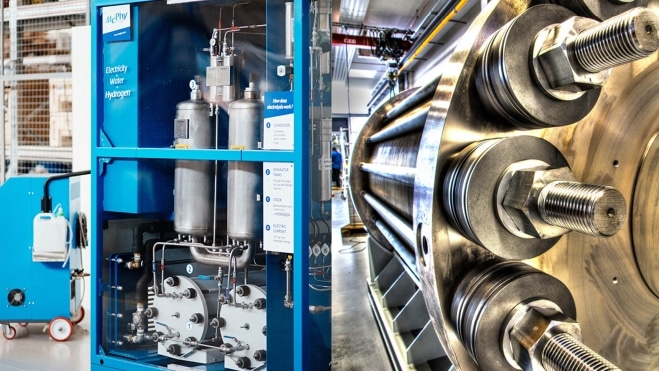
Iridium is essential for the production of green hydrogen. It is used in the construction of electrolyzers, devices that perform the electrolysis of water, separating hydrogen from oxygen.
These electrolyzers, called proton exchange membranes (PEM), are quite efficient, but require the use of specific and expensive materials, like iridium, due to their unique properties of resistance and conductivity.
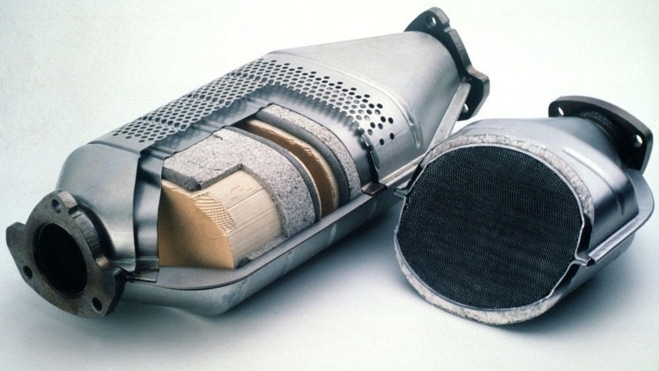
This metal, however, is extremely rare and difficult to obtain, which drives its price up. The scarcity of iridium, coupled with the increasing demand from the green hydrogen industry, causes its price to soar, similar to what happened with rhodium, another rare metal.
In a few years, the price of rhodium multiplied thousands of times, rising from €21,500 per kilogram in 2017 to €822,000 per kilogram in 2021.
Why Is Iridium Considered “Extraterrestrial”?
Iridium is a very rare metal in the Earth’s crust, but it is found in meteorites with a concentration up to 500 times greater than on Earth. This is due to the impact of meteorites that brought iridium to our planet around 66 million years ago, an event that is also associated with the extinction of the dinosaurs.
This metal is characterized by its extreme density and high resistance to corrosion. These properties make iridium ideal for applications in extreme conditions, such as in corrosive and high-temperature environments.
Additionally, iridium is used as a catalyst in various chemical reactions and has high durability. Despite its low conductivity compared to other metals like gold and silver, iridium is highly effective for specific applications.
Global Production And Current Price Of Iridium
The production of iridium is concentrated in a few countries, particularly South Africa, which is responsible for 87% of global production. Other producing countries include Zimbabwe and Russia. This metal is extracted as a byproduct of platinum and palladium refining, which contributes to its scarcity.
Currently, the price of iridium is around US$ 4,750 per ounce, with an annual variation between US$ 4,500 and US$ 5,100 per ounce.
This value represents a significant increase compared to 2020, and expectations are that it will continue to rise. According to Heraeus consulting, specialized in precious metals, the price of iridium could reach US$ 6,500 in the coming years.
Challenges And Opportunities
The iridium market faces challenges similar to those of other rare metals. The growing demand, driven by the increase in green hydrogen production, puts upward pressure on prices, but at the same time, the volatility of rare metals poses a risk for investors.
According to Daniel Marburger, CEO of StoneX Bullion, “metals like iridium and rhodium offer profit opportunities, but also come with risks that may not be suitable for all investment profiles.”
Furthermore, the dependence on such an expensive and scarce metal raises questions about the economic viability of green hydrogen on a large scale. Developing alternatives to iridium or more efficient technologies that reduce the amount of this metal required would be essential to make green hydrogen more accessible and competitive.
Future Of Green Hydrogen And Iridium
The transition to clean energy sources, such as green hydrogen, is essential to address global environmental challenges. However, the high cost of iridium is a significant obstacle to the expansion of this technology.
Finding alternatives or developing techniques that use less iridium may be key to making green hydrogen usable on a larger scale, benefiting the environment and contributing to a more sustainable economy.





Be the first to react!