






 Portuguese
  Spanish
  3 min of reading
  0 comments


Automakers Present New Electric Vehicles and Affordable Models at Munich Auto Show While Facing Challenges of Tariffs, Chinese Competition, and Carbon Emission Targets in Europe.
The future of mobility gained new chapters at the Munich Auto Show, which kicked off this Monday, September 8. Major global automakers showcased electric vehicles and more affordable options for European consumers at a time when the automotive industry faces complex obstacles.
Higher trade tariffs, rising production costs, and strong competition from Chinese brands have turned the event into a true strategic stage for the survival and innovation of the sector.
Electric Vehicles Take Center Stage
Despite the difficulties, manufacturers made it clear that electric vehicles are a central part of their planning. The European Union’s target to reduce emissions by 2035 continues to guide investments, but it is no longer seen as entirely attainable.
-
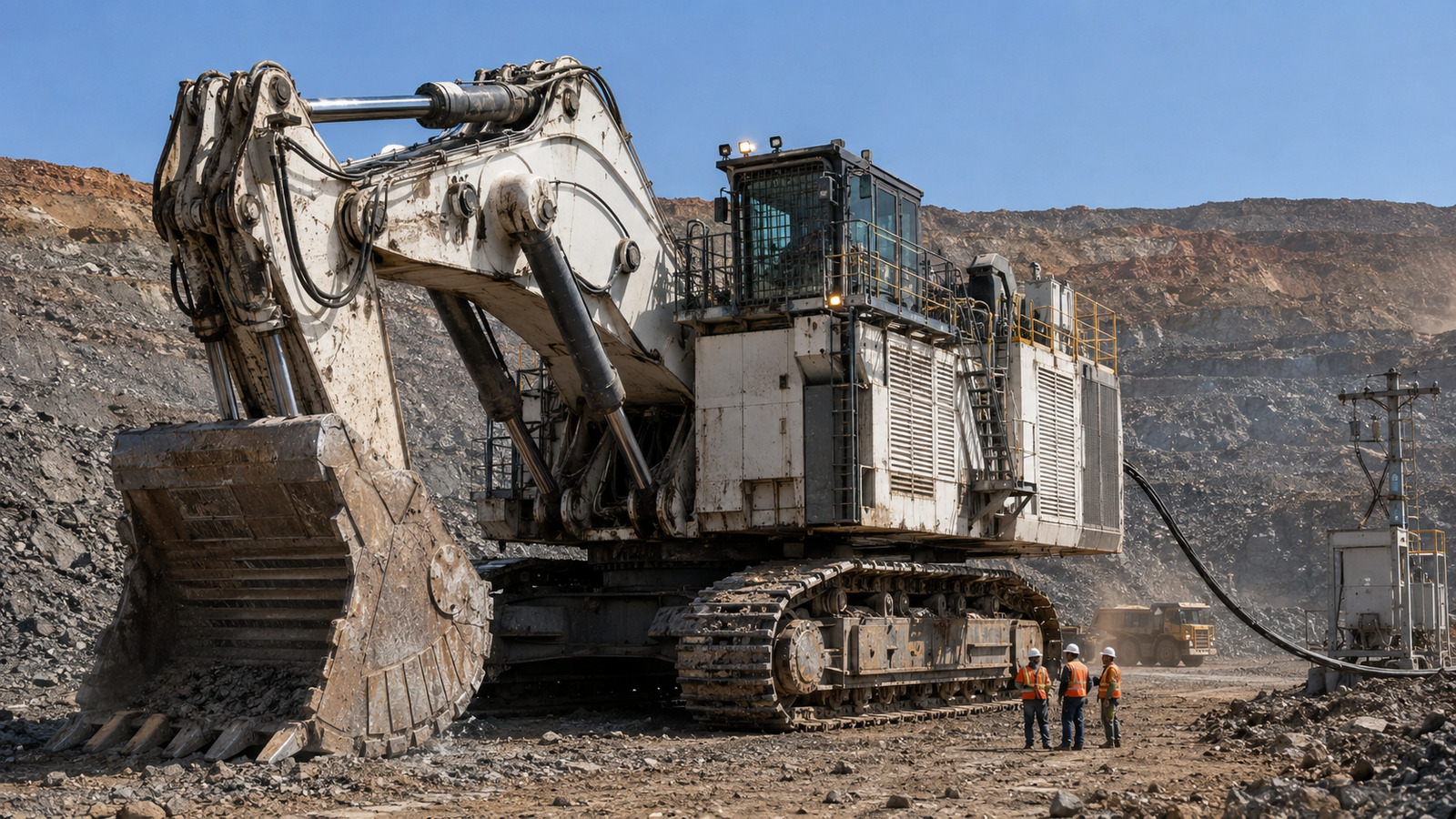
Unprecedented achievement in India: a colossal 650-ton, nearly 3,000 hp excavator is transformed into 100% electric, marking a new phase in heavy mining.

-
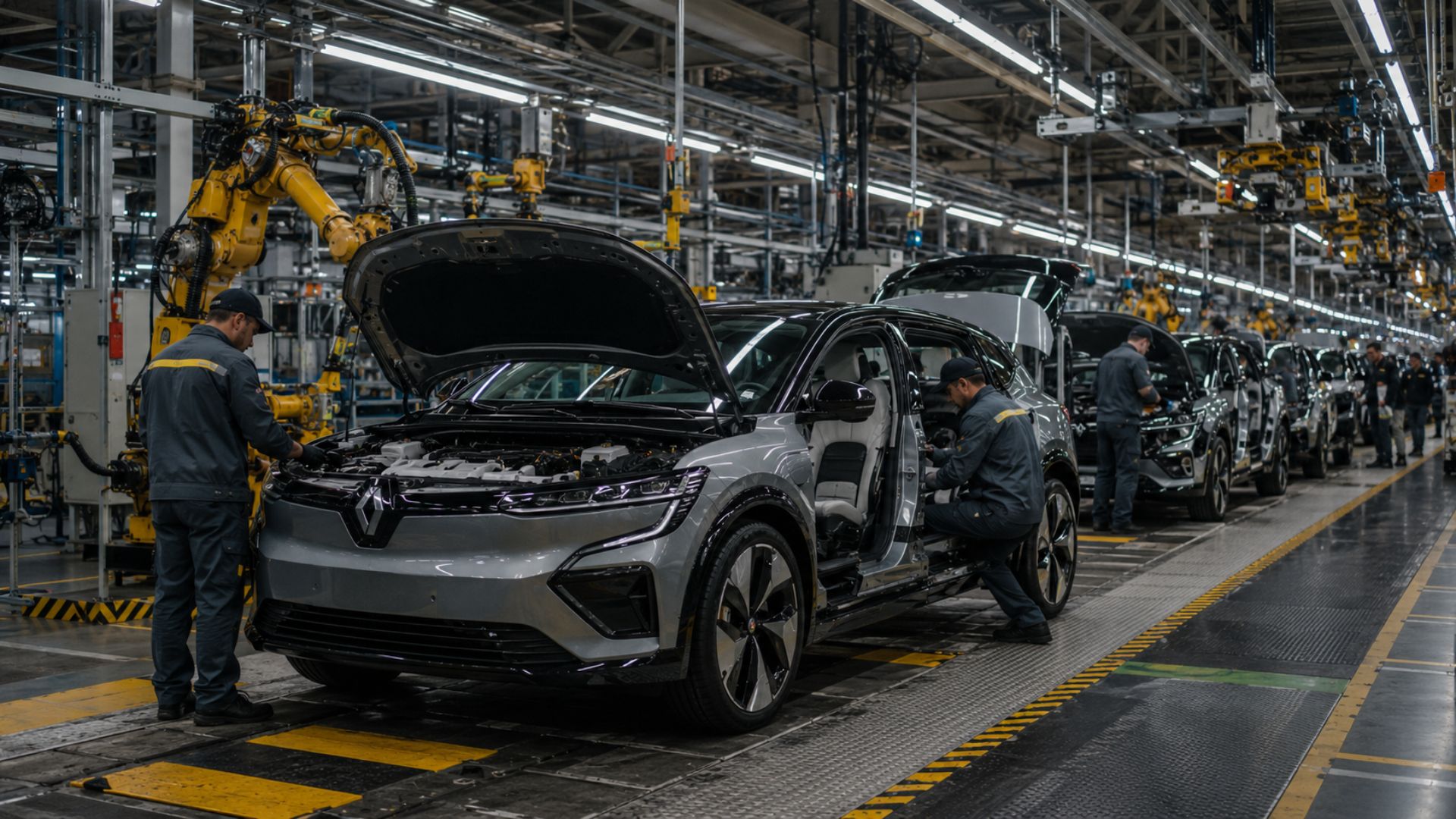
Frightened by the speed of Chinese manufacturers, Renault decided to mimic the pace, made the new electric Twingo in just 21 months, wants to repeat the feat with 36 models by 2030, and along the way, will cut up to 2,400 engineering positions.

-
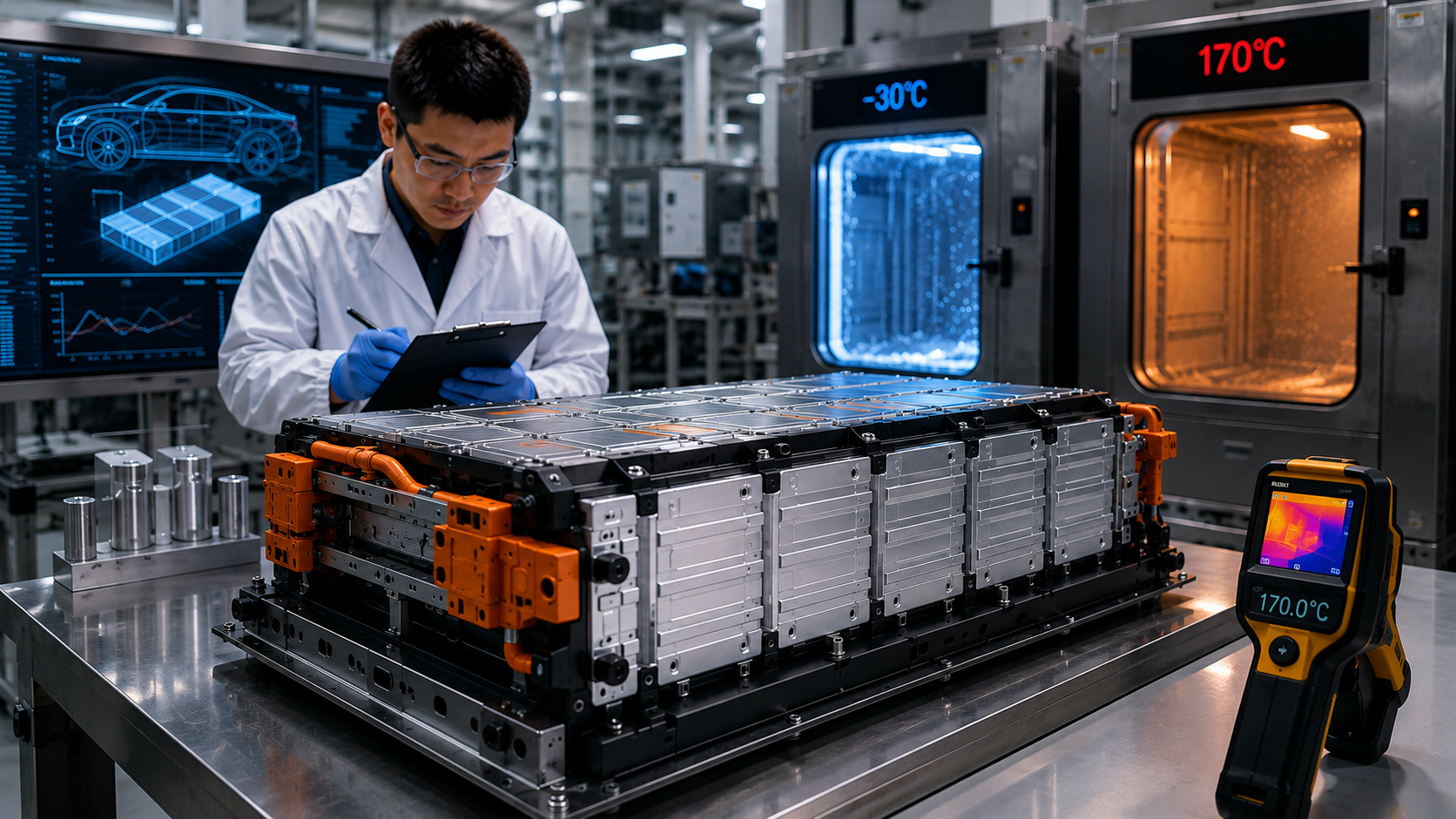
Chinese battery from Dongfeng promises to exceed 1,000 km without relying on liquid electrolyte, and the detail behind the technology could change the electric car competition.

-
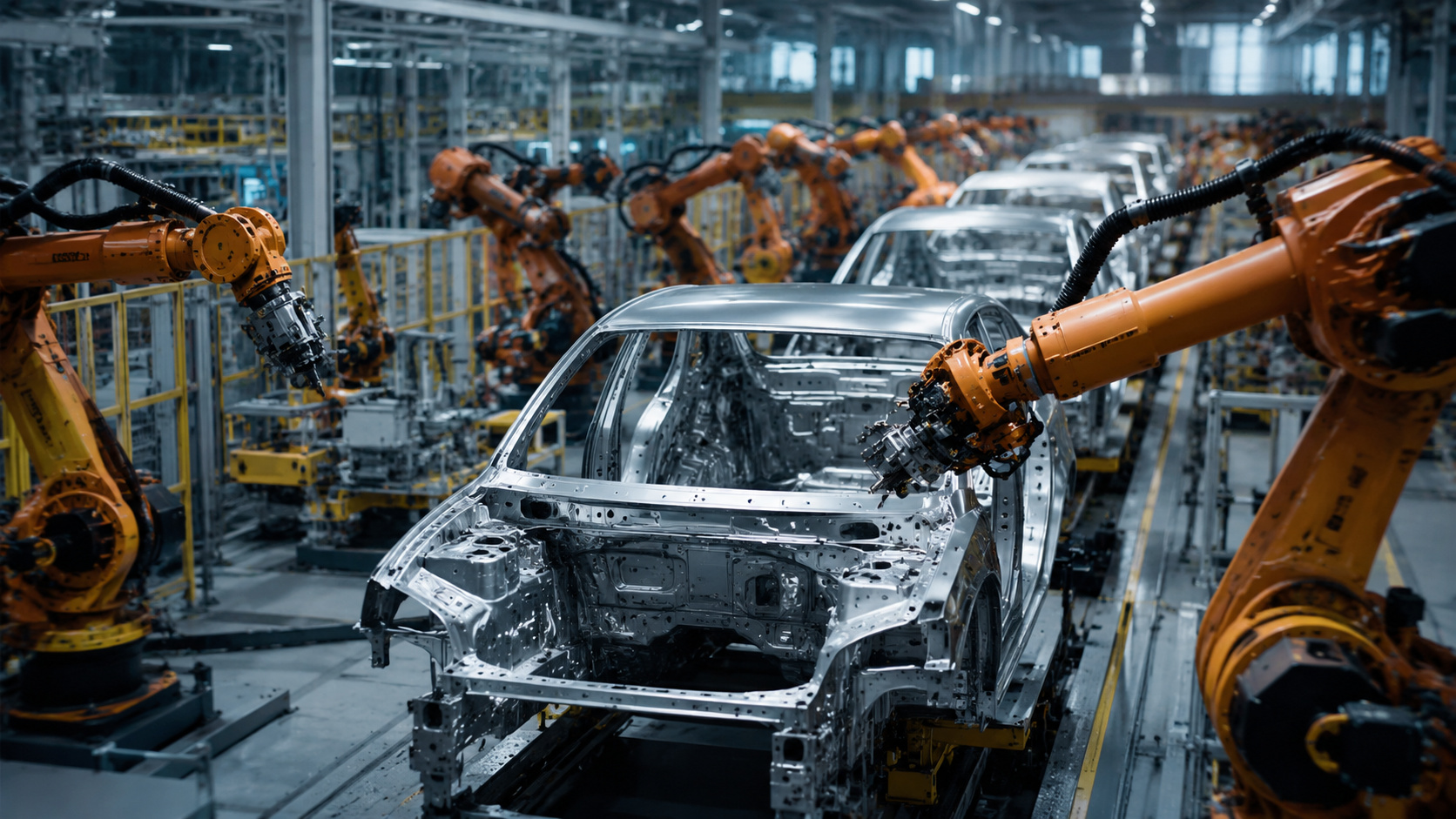
The end of the automotive combustion era has already begun, but many in Brazil have not yet realized the magnitude of the shift towards Chinese electric cars.
Still, 100% electric and hybrid models multiplied across the fair’s stands, signaling an effort to adapt in light of regulatory pressure and environmental appeal.
Volkswagen’s CEO, Oliver Blume, acknowledged the challenges currently faced. “The main problem is that we have many crises at the same time,” he said, citing difficulties in the Chinese market, the impact of tariffs from the United States, and restructuring costs.
Despite this, Blume highlighted negotiations with the U.S. government to mitigate billion-dollar losses, including plans to build an Audi factory in the U.S.
The offensive from Chinese automakers was another prominent theme in Munich. According to analysts, European companies have learned from past mistakes and have brought a flood of launches this year.
For Tu Le, founder of the consultancy Sino Auto Insights, “the Europeans have shown that they are absolutely taking the Chinese seriously.” This stance marks a change in scenario compared to previous years when the lack of new products weakened the position of traditional brands.
Another central point is the price. The high cost of electric vehicles still poses a barrier to mass adoption, especially in a continent pressured by inflation.
For that reason, manufacturers like Stellantis and Volkswagen are accelerating the development of models below 25,000 euros, seeking to compete directly with Chinese options that have already entered the market at reduced prices.
Stellantis Expands Strategy
Jean-Philippe Imparato, president of Stellantis for Europe, stated that the company will not limit its production solely to electric vehicles until 2030.
For him, exclusive focus on this category has become unfeasible given the new environmental targets imposed by the European Union.
The brand, therefore, is betting on a diversified portfolio, balancing electrification with other energy alternatives to maintain competitiveness and cater to different customer profiles.
Porsche Under Pressure
Within the Volkswagen group, Porsche also faces challenges. Blume admitted that the sports brand is unlikely to reach its profit margin target of 20%, as it is pressured by international tariffs and the slowdown in the Chinese market.
The scenario reinforces the need for new strategies to protect the prestige and profitability of the luxury brand.
The Munich Auto Show made it clear that the coming years will be decisive for the automotive transition in Europe.
Amid technological advancements, environmental demands, and price wars with the Chinese, manufacturers are seeking a balance that allows them to expand electric vehicles without sacrificing profitability.
The investment in cheaper versions shows that the democratization of electric mobility is no longer just a trend, but an urgent necessity for the entire sector.






Be the first to react!