Portuguese
  Spanish


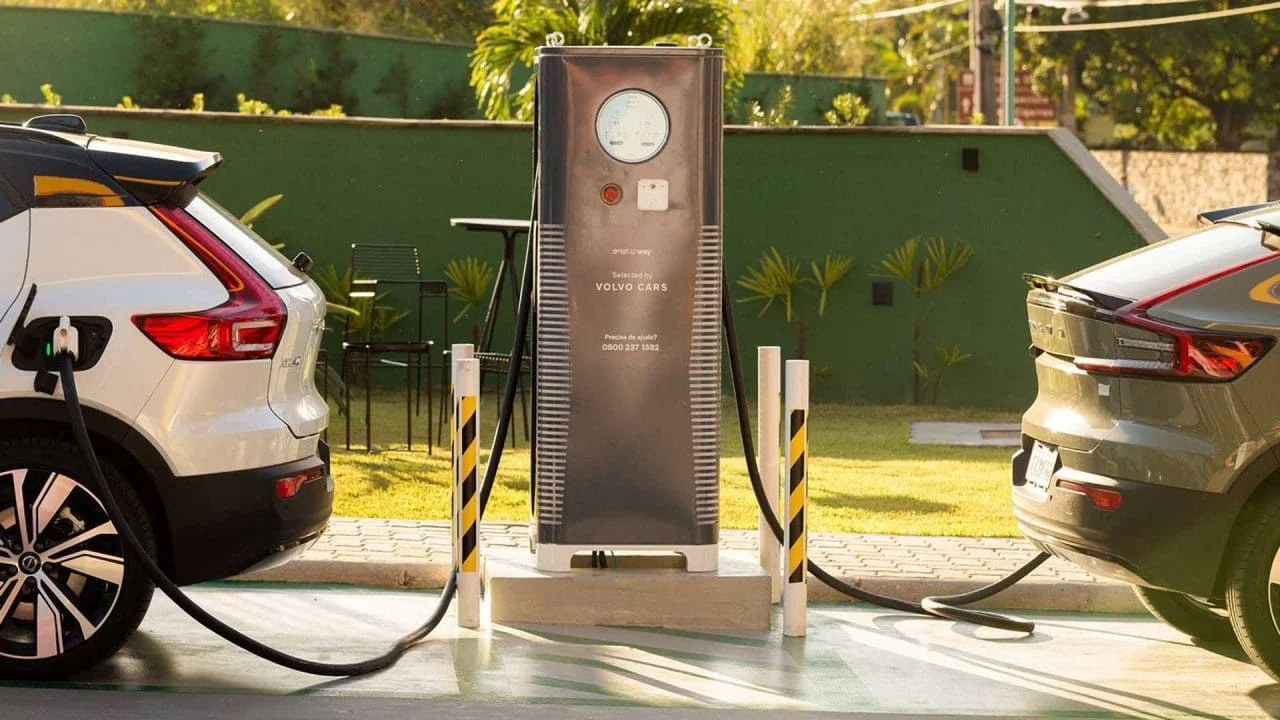

Brazil Now Has 16,880 Charging Points for Electric Vehicles, 59% Growth in One Year, but the Lack of Infrastructure Still Concerns Consumers and Challenges the Automotive Sector.
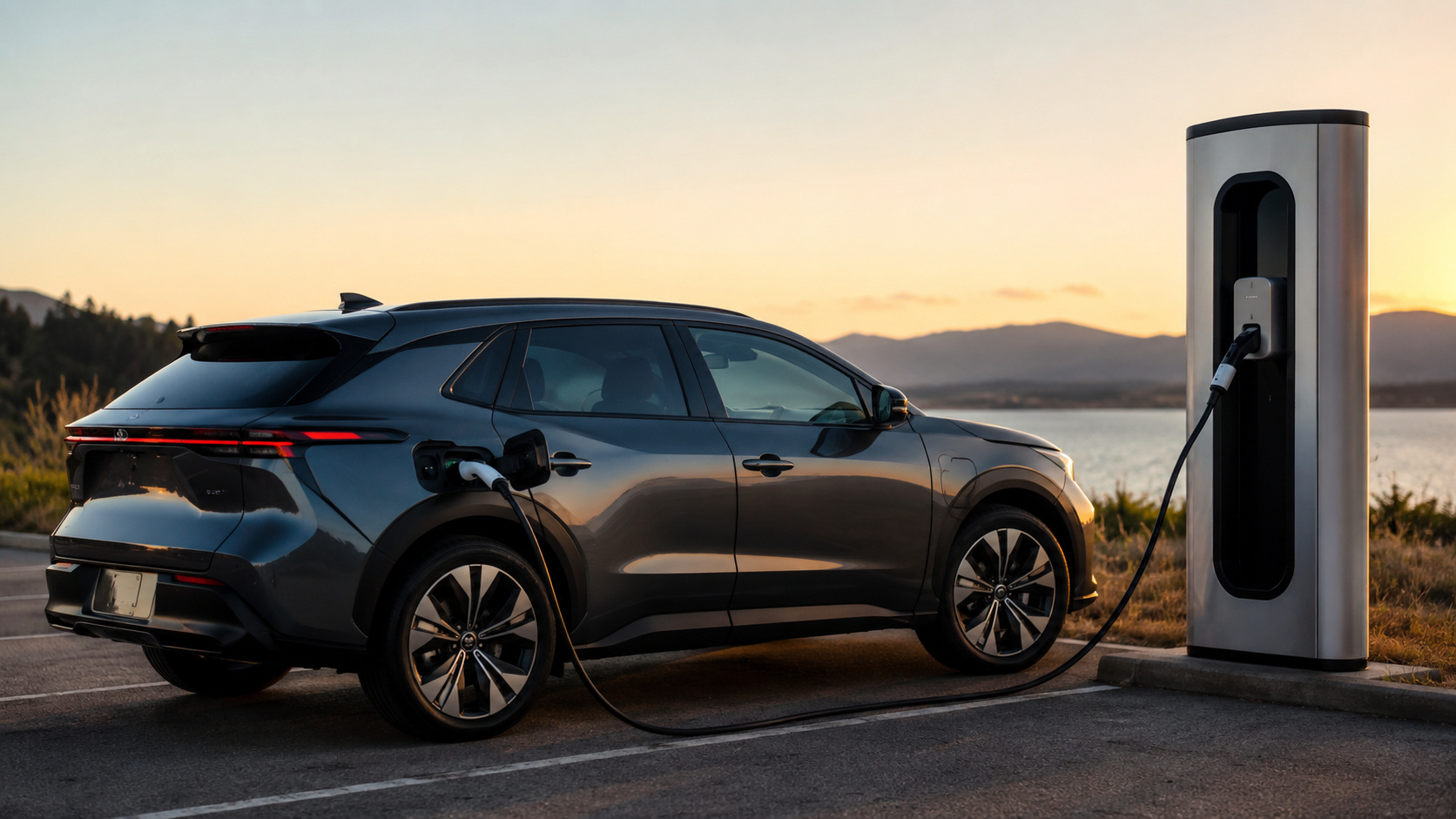
The number of charging points for electric vehicles continues to expand in Brazil. According to data released by the Brazilian Electric Vehicle Association (ABVE), the country already has 16,880 charging stations, a growth of 59% between August 2024 and September 2025. The news was announced by MotorShow this Monday, September 15.
This increase represents a ratio of one charging point for every 18 electrified vehicles in circulation, according to a survey conducted by ABVE in partnership with the charging solutions company Tupi.
Fleet of Electric and Hybrid Vehicles Growing
The survey indicates that the national fleet of plug-in electrified vehicles reached 302,225 units by the end of August. Of this total, 44.5% are 100% battery electric vehicles (BEV), which directly depend on a robust network of chargers. The remainder consists of plug-in hybrid electric vehicles (PHEV), which combine electric motors and combustion engines.
-
Unprecedented achievement in India: a colossal 650-ton, nearly 3,000 hp excavator is transformed into 100% electric, marking a new phase in heavy mining.

-
Frightened by the speed of Chinese manufacturers, Renault decided to mimic the pace, made the new electric Twingo in just 21 months, wants to repeat the feat with 36 models by 2030, and along the way, will cut up to 2,400 engineering positions.

-
Chinese battery from Dongfeng promises to exceed 1,000 km without relying on liquid electrolyte, and the detail behind the technology could change the electric car competition.

-
The end of the automotive combustion era has already begun, but many in Brazil have not yet realized the magnitude of the shift towards Chinese electric cars.
Sales continue to rise. Data from Anfavea, the entity representing automakers, shows that the number of new electric vehicles increased by 50.7% in the accumulated total up to August compared to the same period in 2024. There were 164.6 thousand units sold, raising the share of these models to 11.8% of total sales, up from 6.6% in the previous year.
The state of São Paulo remains the largest Brazilian market for electrified vehicles. There are 93,500 vehicles in circulation, representing 30.9% of the national fleet.
The infrastructure keeps pace with this growth: the state already boasts 4,678 charging points, ensuring an average of one charging station for every 20 vehicles. This data reinforces the importance of São Paulo as a hub for electric mobility in the country.
Availability Is Still a Concern for Consumers
Despite the expansion of infrastructure, the lack of charging points is still seen as the biggest barrier to purchasing electric vehicles in Brazil. A survey conducted by the portal Webmotors showed that 54% of consumers point to the scarcity of charging stations as the main obstacle.
This is followed by the difficulty of reselling vehicles (49%) and insecurity regarding the technology (44%). However, according to the CEO of Webmotors, Eduardo Jurcevic, this scenario is changing.
“If before the majority refused due to a lack of safety, today, with the investment from automakers in information, there has been a shift in this mindset and the biggest concern now is tied to practical infrastructure issues about how to implement it in their daily lives,” he emphasized.
Expansion of Fast and Slow Chargers
Data from ABVE also reveals that fast chargers have been advancing at a faster pace than slow chargers. In the six months leading up to August, the expansion was 59%, totaling 3,855 fast charging stations operational in Brazil. In contrast, slow charging equipment grew by only 5%, totaling 13,025 points.
In total, the country already counts 1,499 cities equipped with public and semi-public charging stations, demonstrating not only territorial expansion but also the strengthening of the existing network.
The advancement of electric vehicles in Brazil directly depends on the expansion of the charging network. With a 59% growth in one year and a significant increase in sales, experts indicate that the challenge now is to ensure accessible and reliable infrastructure throughout the national territory.
The trend indicates that the greater the availability of charging points, the greater the consumers’ confidence in adopting the technology and accelerating the energy transition in the Brazilian automotive sector.