Portuguese
  Spanish



Oil-Producing Municipalities in Rio de Janeiro Will Invest a Good Portion of Revenue for Paying Employees, Debts, and Public Administration
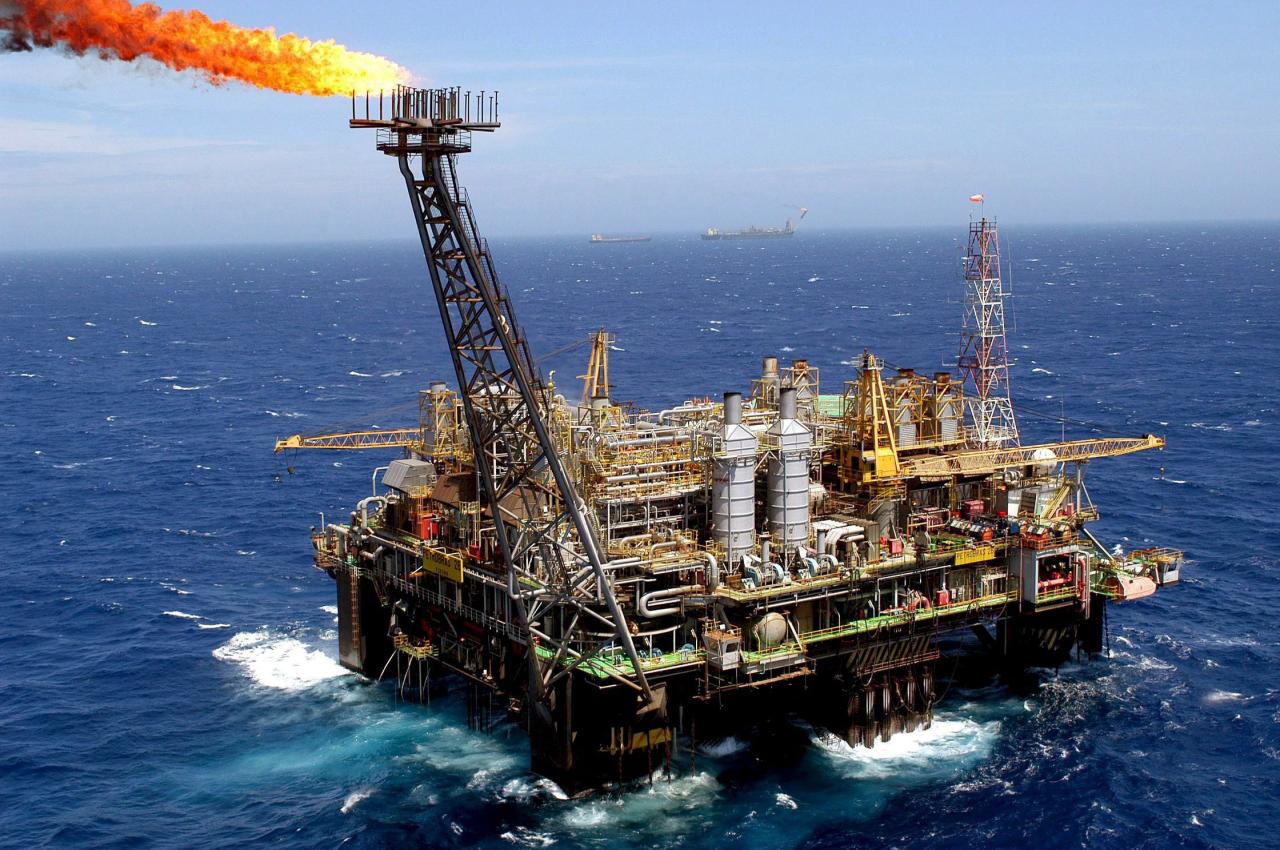
Oil-producing cities in the Rio de Janeiro region and the interior of the state will use a large portion of these resources to settle the payroll of their employees, debts, and other sectors of their administrations. After a long period of low production in the oil sector, recent policies to increase productivity in the Santos and Campos Basin, along with the rise in the price of oil on the international scene, will multiply their revenues by three times over the next 10 years.
The Rio state government will use almost the entire amount of this money to pay off debts of the Rio de Janeiro Social Security. Last Friday (13), the government issued state dividends in the form of international bonds exceeding 1 billion reais, using future earnings from oil royalties as payment collateral, trusting that the sector will recover and boost the economy of Rio de Janeiro.
See the List of Municipalities That Received Oil Royalties
- Maricá R$ 746.782 million
- Niterói R$ 615.163 million
- Campos dos Goytacazes R$ 466.179 million
- Macaé R$ 401.505 million
- Rio de Janeiro R$ 169.594 million
- Cabo Frio R$ 122.487 million
- Rio das Ostras R$ 166.108 million
- São João da Barra R$ 114.529 million
- Saquarema R$ 72.742 million
- Angra dos Reis R$ 70.579 million
-
A Brazilian city decided to purchase a piece of the Atlantic Forest with more than 153,000 square meters, and owners of preserved areas will be able to submit proposals to transform the forest into a conservation unit.

-
Brazilian siblings aged 11 and 7 read 240 books in just one year and caught attention on social media: while many children spend hours on screens, they turned their family’s routine into an example of reading, discipline, and curiosity.
-
The legendary oak that, according to the story, hid Robin Hood from the Sheriff of Nottingham, died at the impressive age of 1,200 years in England, and the first chilling sign of its end was that no leaves sprouted on the tree this spring.

-
While the world looks at forests, the UN warns that the Earth is also threatened by the silent degradation of natural grasslands and savannas, ecosystems that cover half of the planet, support billions of people, and can exacerbate water, food, and climate crises.


According to specialists in the oil, gas, and energy sector, the policies adopted by governments for the flexibility of local content, review of Repetro and the recent auctions of exploratory blocks in Brazil’s sedimentary basins, have greatly contributed to attracting new investments and stimulating the economy, as many oil companies can now operate in Brazil with more freedom.