Portuguese
  Spanish


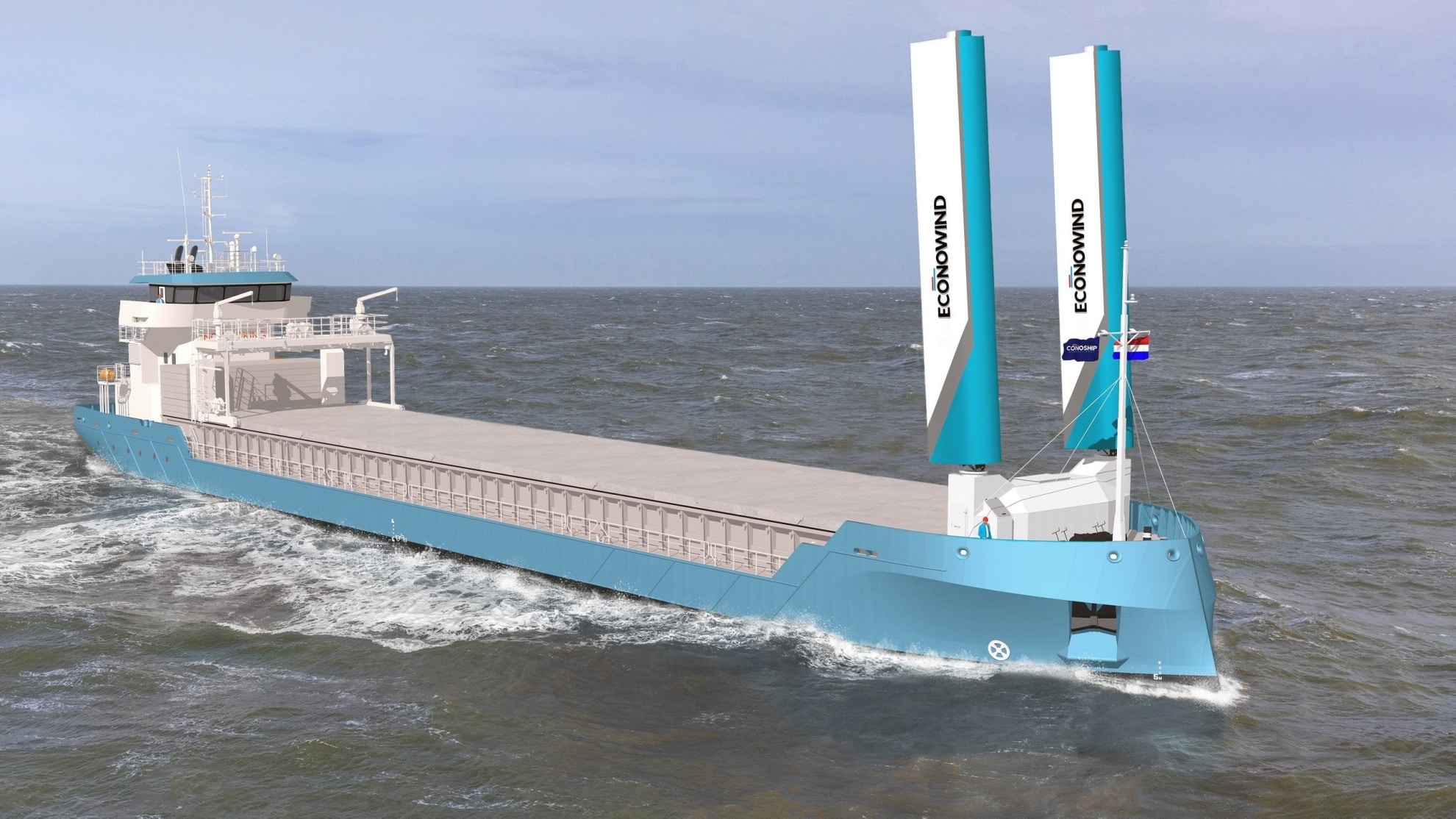

Econowind and Hartel Shipping & Chartering Partnered to Develop a Ship with Technology That Could Pave a New Path for Sustainability in the Maritime Sector.
On the path to CO₂ emission-free transport, the maritime sector, considered one of the most challenging to decarbonize, can harness one of the purest forms of energy: wind. Wind energy could be the key to driving the transition of transport ships toward sustainability-focused operations. While some companies are already using wooden vessels equipped with sails to transport goods like in the old days, others are seeking to combine sails with propulsion technologies.
Hartel Shipping & Chartering, alongside Econowind, is one of the maritime companies testing this innovation model.
Vessel Will Feature 759 kW Power


The company is developing three ships that combine a diesel and electric powertrain with a new sail technology called VentiFoil. Developed by Econowind, the concept is a futuristic and more efficient version of traditional sails, defined as a non-rotating suction wing with vents and an internal fan. Basically, it is a type of folded sail that can rotate around its own axis.
-
They exchanged the idea of a large house for a 35 m² warehouse, spent US$ 12,000 on the structure, and created a tiny house in Colorado with space to live and work.

-
While modern cities rely on pumps and electricity, in Iran, ancient tunnels carried water through the desert using only slope and gravity.
-
Instead of sending families far from the city, a project in Chile intentionally created incomplete houses on expensive urban land and left technical space for each to grow.
-
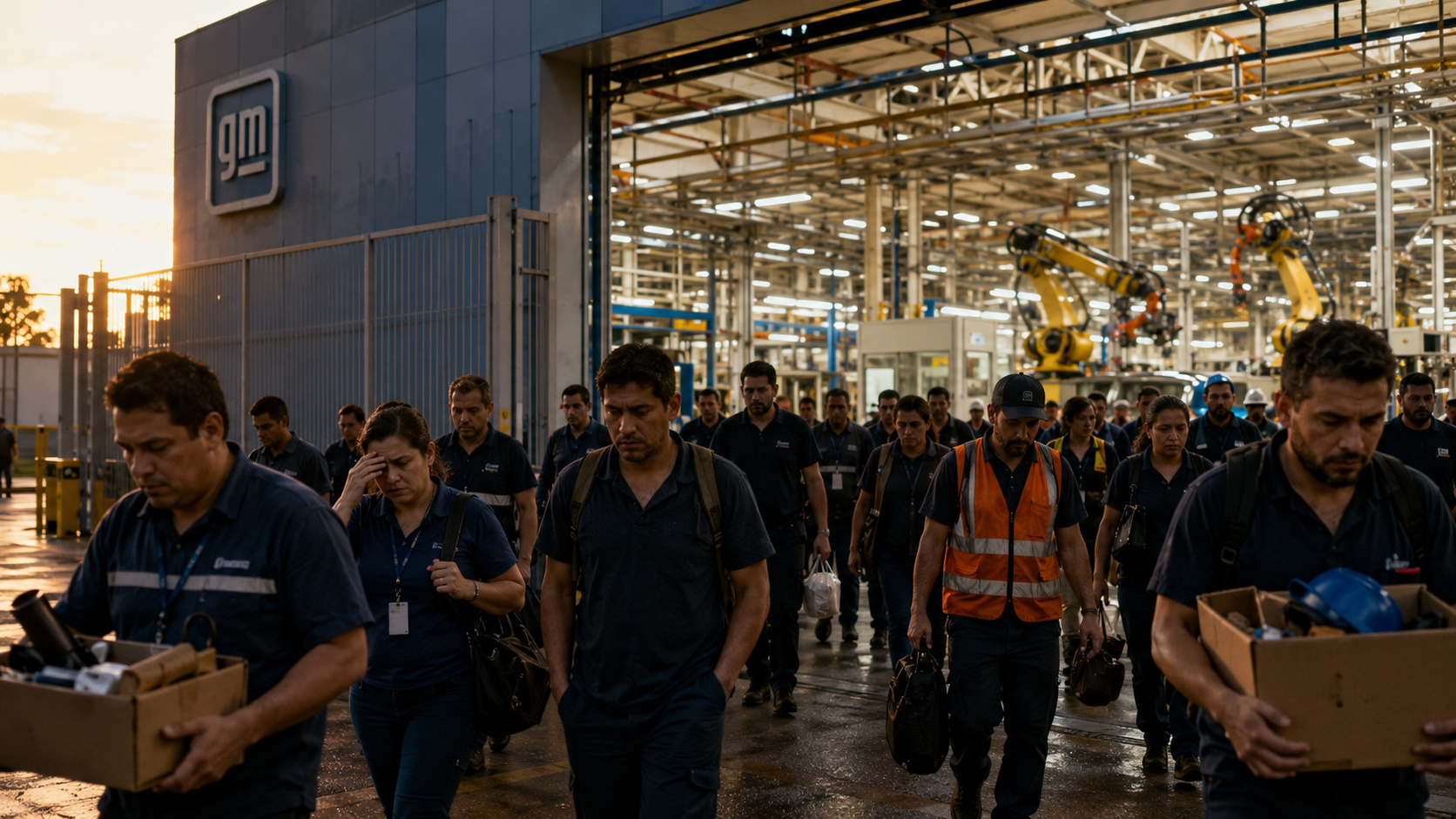
General Motors Replaces Over a Thousand Workers with 50 Cobots at Electric Vehicle Plant, UAW Union Criticizes Move Amid Industry’s Automation Push


All will be cargo ships designed to operate in coastal regions, typically engaging in short-duration operations. The primary power of the vessels in the maritime sector will be provided by two electric motors generating 759 kW in total, enough to move the 89.4-meter giants capable of carrying 5,530 cubic meters of cargo on board. According to Econowind, the motor configuration alone is already capable of generating a 35% reduction in fuel costs.
Hartel states that the first vessel is already nearly complete to receive the VentiFoil, which cuts fuel consumption by over 12%. In the end, the ships could sail with nearly 50% fewer emissions of gases into the atmosphere.
Norway Launches First Electric Cargo Ship
In addition to the new technology from Econowind, Norway conducted the first voyage of the Yara Birkeland in November of last year. This is the world’s first electric and autonomous cargo ship. The country’s Prime Minister, Jonas Gahr Store, was present to witness the inauguration.
Since then, the Yara Birkeland will spend two years conducting test voyages that will also be commercial operations. While they will be crewed, the idea is to gradually reduce the number of people on board until the vessel’s autonomy is ensured.
Capable of carrying 120 containers, this new high-tech ship made a route from a fertilizer factory in the city of Porsgrunn to the port of Brevik, about 10 km away. It was no easy task, as the innovation in the maritime sector had to face maritime currents and a narrow fjord, pass under two bridges, compete for space with other vessels, among other obstacles.
Vessel Avoids Over 1,000 Tons of CO2 Annually
The ship is 80 meters long and weighs 3,200 tons. With its operation transporting fertilizers, it will replace about 40,000 truck trips per year, preventing the emission of 1,000 tons of CO2 annually.
The vessel’s propulsion will be powered by 8 battery compartments that give the boat a capacity of 6.8 MWh, equivalent to 100 Tesla cars. Designed since 2017, the maritime vehicle is the result of collaboration between Yara, a fertilizer producer, Massterlys, which operates it, and Vard, which constructed the ship.