Portuguese
  Spanish


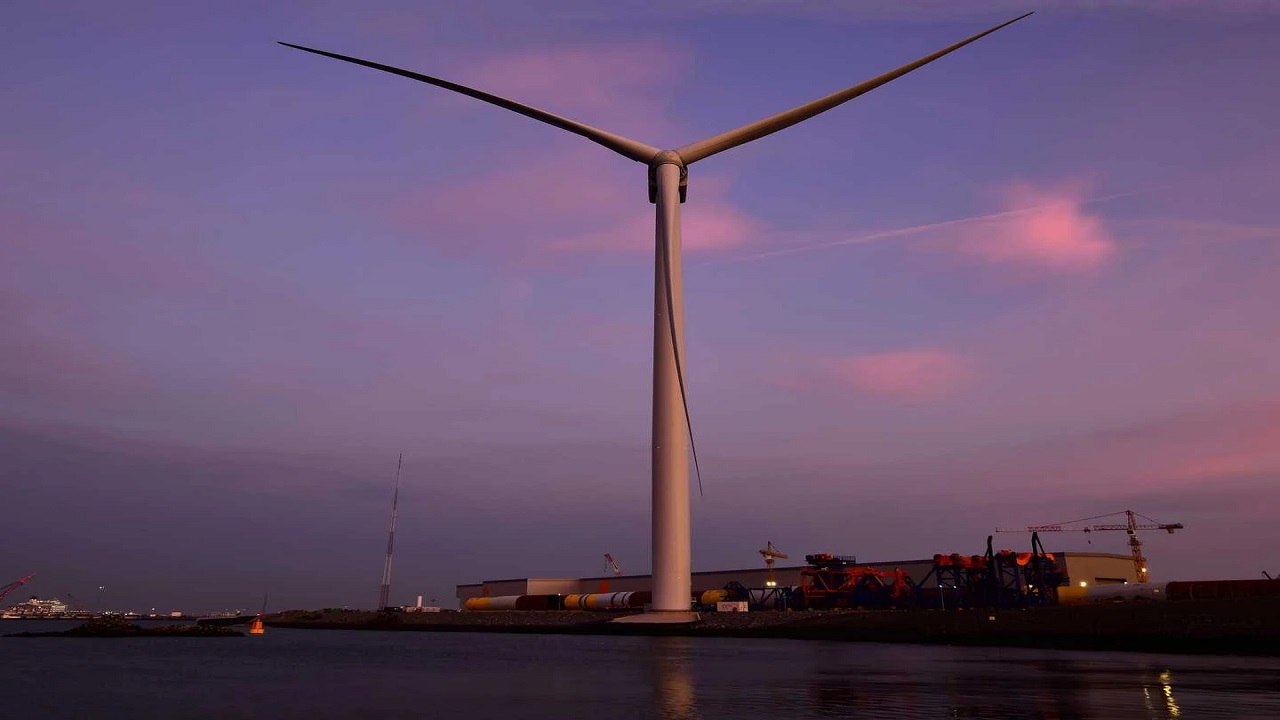

Japan Is Developing The Largest Offshore Wind Turbine In The World. The Turbine Will Generate Up To 15 MW Of Energy And Promises To Revolutionize The Clean Energy Market.
Called Toda, a Japanese energy company, alongside experts from Osaka University – Japan, is committed to developing the project for the largest offshore wind turbine in the world, according to Nikkei Asia. The engineers plan to develop a turbine prototype that will have a capacity to generate up to 15 MW of offshore wind energy. The experiment will take place in several stages, with the last one expected to begin in 2025.
Learn More About The Stages Of The Offshore Wind Turbine Production That Promises To Surpass The Haliade-X In Japan
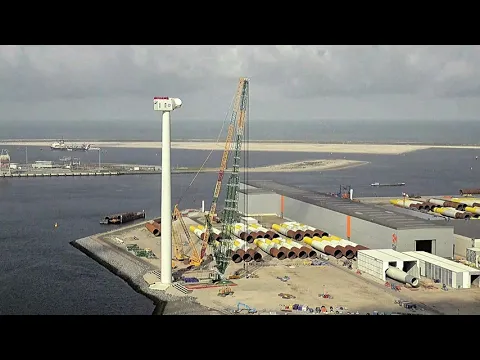

Next year, the research team in Japan will develop a project for a floating wind turbine of large capacity. The group consists of 10 engineers from Osaka University and Toda, specializing in offshore wind turbines and deep-sea technology.
The main objective of this phase of work will be to develop computational models to analyze the loads and risks on a floating platform, as well as to analyze issues related to the mass generation of such installations and the transportation of electricity.
-
Fired during apartheid and with a little borrowed money, an electrician started with a borrowed truck and transformed electrical services into a group connected to energy, real estate, and infrastructure in South Africa.

-
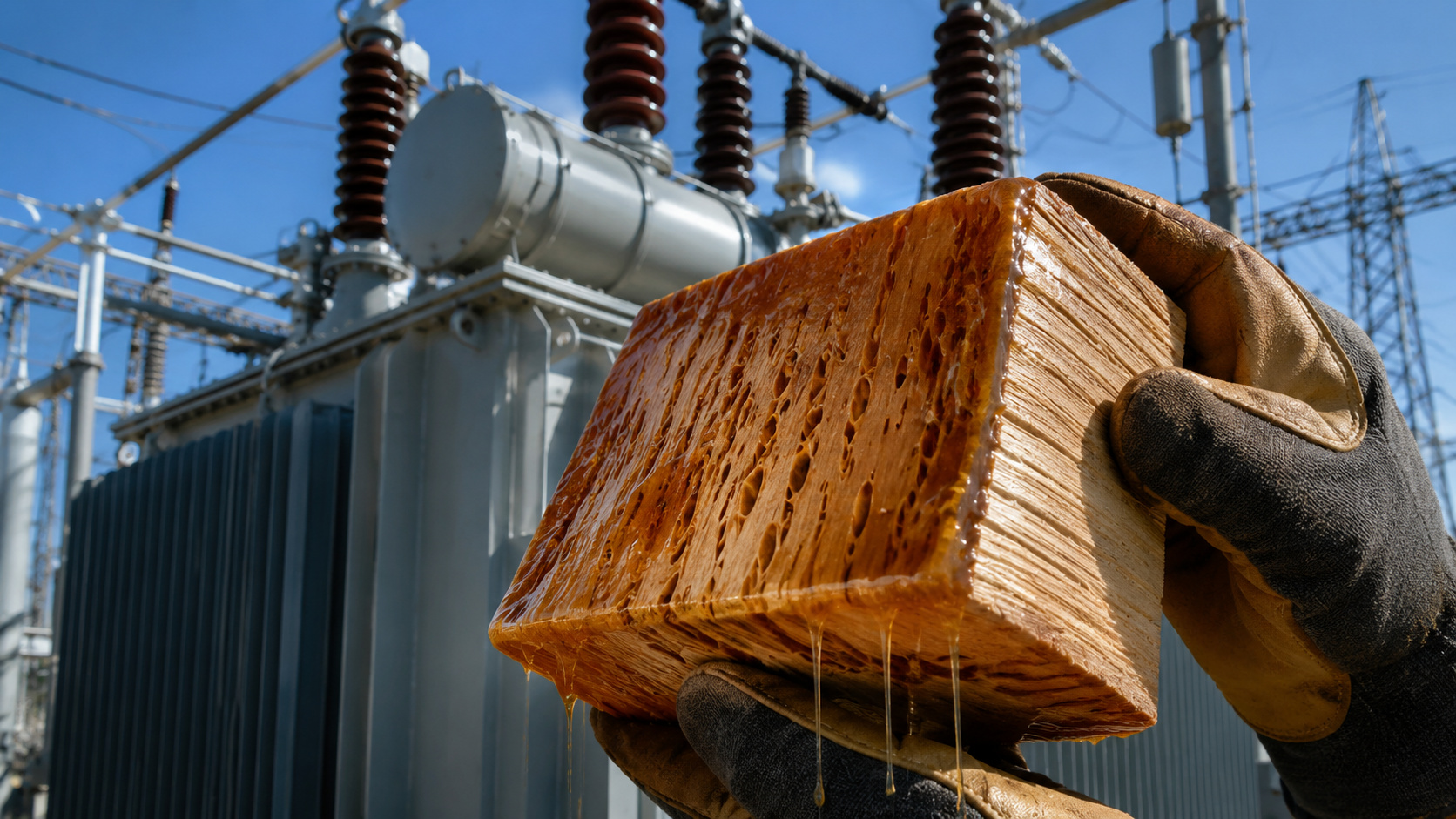
Wood has ceased to be just a construction material in Yale research and has become insulation for electrical transformers that face intense heat, aging, and increasing pressure from the renewable energy-powered grid.
-
More than 1,000 residents of a remote island in Kiribati now have clean water and electricity with solar systems operated by the community itself.
-
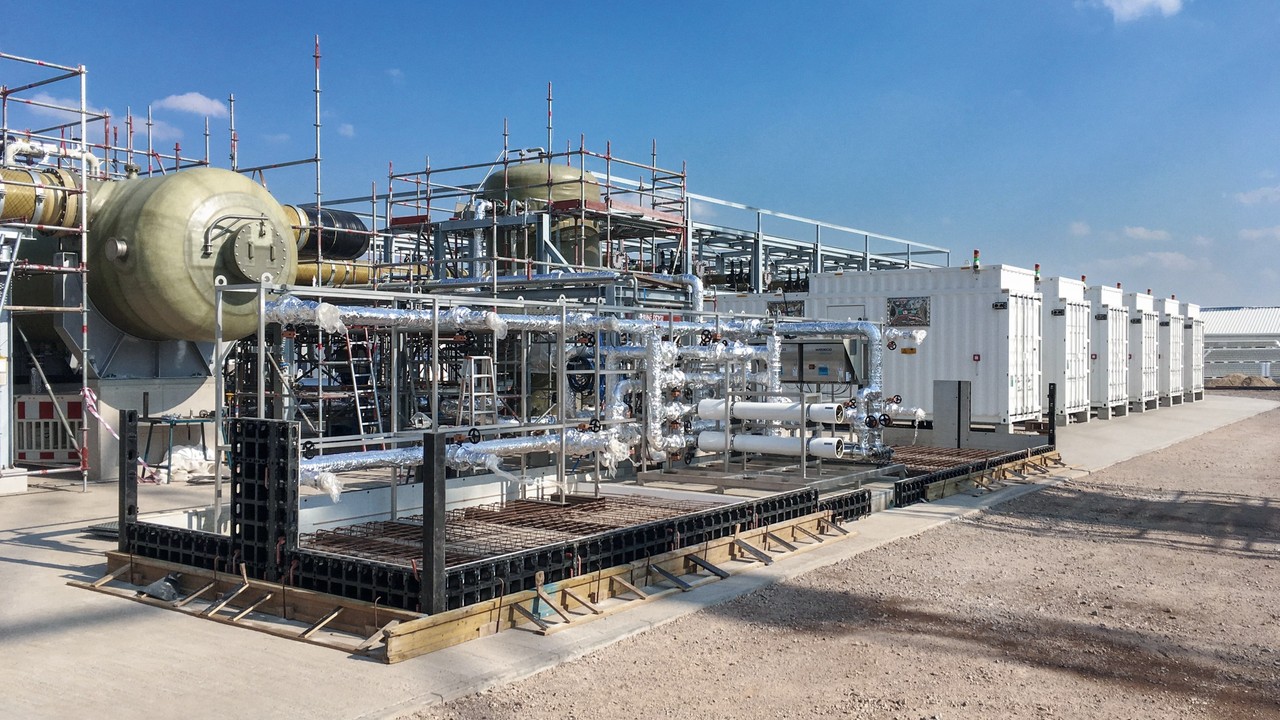
Ceará brings together 7 giants and R$ 66 billion to transform Pecém into the largest green hydrogen hub in Brazil, with final decisions expected by the end of 2026.



The following year, engineers in Japan are expected to build a demonstration plant for an offshore wind turbine capable of generating 10 MW of energy. In 2025, the installation of a wind turbine with a blade span of approximately 200 meters is planned, making it three times larger than the conventional turbines used in similar plants. Preliminary estimates indicate that the turbine could generate between 12 to 15 MW of energy.
Deployment Of Wind Turbines In Japan Is Three Times Greater In Terms Of Water Sector
Compared to stationary wind turbines installed on the seabed surface, offshore wind turbines are more expensive to maintain and install. This factor prevents their large-scale installation even in Europe, where offshore wind energy has developed exponentially in recent years.
However, the lack of shallow seas around Japan makes the project even more interesting. According to research data, the potential for deploying floating turbines in Japan is three times greater in terms of water area than fixed offshore installations.
A consortium of companies led by Toda is working on the first commercial offshore wind turbine off the coast of Nagasaki Prefecture. The value of one kW of energy generated by a 2MW plant is 36 yen (about US$ 0.26). To bring the electricity generation cost below 10 yen per kilowatt-hour and make the turbines competitive against thermal power plants, it is necessary to significantly increase the capacity of offshore turbines.
Japan Begins Generating Energy From Snow
This December, tests began on an unusual energy generation system in the city of Aomori, Japan. Energy will be generated from the temperature difference between normal snow and the circulating air. Previously, city services dumped collected snow from the streets into the sea, whereas now an unexpected use as a source of energy has been found.
The city partnered with the University of Tokyo Telecommunications and the IT company Forte to equip a pool in a local boarding school with a heat and fluid piping system. Public services will dump the snow collected from the streets into the pool, while on the other side the pipes will be exposed to sunlight.
Due to the temperature difference in the pipes, the convection movement of the liquid will begin. The fluid drives a microturbine, so the greater the temperature difference, the higher the output power.