






 Portuguese
  Spanish
  3 min of reading


Drivers Across Brazil Believe That Speed Is a Watershed Moment When It Comes to Saving Fuel in the Vehicle
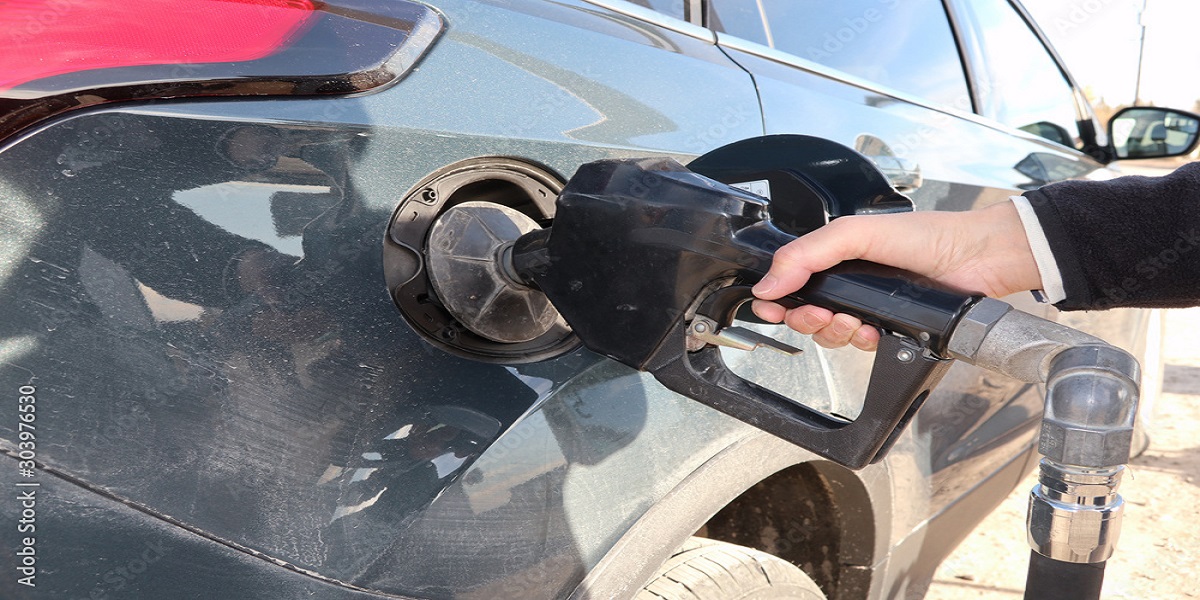
Most people in Brazil believe that if they drive at a slow speed with a vehicle, a certain amount of fuel may be saved. However, this is a doubt that lingers in people’s minds, as there is no proof for such thinking. This issue arises a lot nowadays given the high prices of gas and ethanol. Thus, any strategy that provides financial savings brings benefits to fuel consumers.
Does Speed Save Fuel?
According to the website Edital Concursos Brasil, naturally, if the driver goes faster with the vehicle, it will consume a larger volume of fuel, not the other way around, as some believe. It can be observed that the more energy an engine needs, the greater its dependency on fuel; therefore, determining a speed that is deemed “fuel-efficient” is a controversial statement.
That said, it is evident that there is no single speed universally accepted as guaranteed to consume less fuel, regardless of the type of fuel, whether alcohol, ethanol, or gasoline. This occurs because each type of vehicle has different powers and engines than others, and this fact makes it even more challenging to reach a conclusion about the specific speed that saves fuel.
-
Cheaper than an Onix, Mobi, or Polo: with a 1.4 turbo engine and 185 hp compressor, 7-speed S-Tronic transmission, 270 liters of trunk space, and the performance of a compact sports car, this Audi hatch costs less than many new popular cars. Meet the Audi A1 Sportback 2014.

-
Two Brazilian inventors transformed a Gol into a homemade electric car: they removed the engine, installed 40 lithium batteries, and made the vehicle run 150 km for R$ 0.07 per kilometer.

-
Toyota Hilux owners should be cautious: the model has become a target for gangs that can open the vehicles without triggering the alarms, investigation reveals.

-
The Celta may return without gasoline, with a plug and a Chinese soul: Chevrolet prepares a new electric hatch in Ceará to try to challenge the BYD Dolphin Mini, Geely EX2, and the compact market in Brazil.


To illustrate, we can make a simple analogy between a sports car and a popular 1.0 flex car. Logically, the sports car can reach a higher speed without needing to consume more fuel, unlike what happens with a popular 1.0 vehicle.
Considering that most Brazilians own popular cars, the question is: Is there a specific speed that helps a popular 1.0 car save fuel?
Experts Find a Standard Speed for Popular Cars to Save Fuel
According to some experts on the subject, a popular type of car should not exceed 70 km per hour, but it is also not recommended to drive at less than 40 km per hour. In other words, for those who wish to save at least some fuel, the ideal speed for the vehicle should range between 50 and 60 km per hour.
However, it is worth noting that the average speed mentioned above applies to cars traveling within cities and urban centers. If that is not the primary objective, it is advised to maintain a speed between 80 and 100 km per hour.
Regarding the car’s gears, the one that saves the most within the city and urban centers is the fourth gear, and for highways, the one that generates the most savings is the fifth (considering a car with five gears).
Internal Factors of the Car Can Influence Fuel Usage
According to data, the more up-to-date the vehicle’s maintenance, the more fuel will be saved. This action prevents the engine from consuming more fuel.
It is also crucial to regularly inspect and check air filters, oil, and spark plugs, and if necessary, replace these components.
The spark plugs are responsible for burning fuel within the engine. Therefore, when they are malfunctioning, fuel combustion becomes irregular, which can compromise the vehicle’s performance and significantly increase gasoline consumption.
For this reason, it is important to always keep the vehicle’s maintenance up to date and, if necessary, replace the parts.
The air conditioning system is also directly linked to fuel consumption, reaching up to 10% of consumption, making it economically viable to keep the windows open during the vehicle’s journey.
However, if the route the vehicle is taking is on the highway, especially at speeds above 80 km/h, the wind will create significant resistance pushing the car in the opposite direction to its travel.
This negative resistance that the car is experiencing requires the vehicle’s engine to work harder against the wind, which means the car consumes more fuel. That said, in this specific case, it is recommended to use the air conditioning, which is more economically viable than keeping the windows open during the trip.







Be the first to react!