





 Portuguese
  English
  Spanish
  4 min of reading
  0 comments


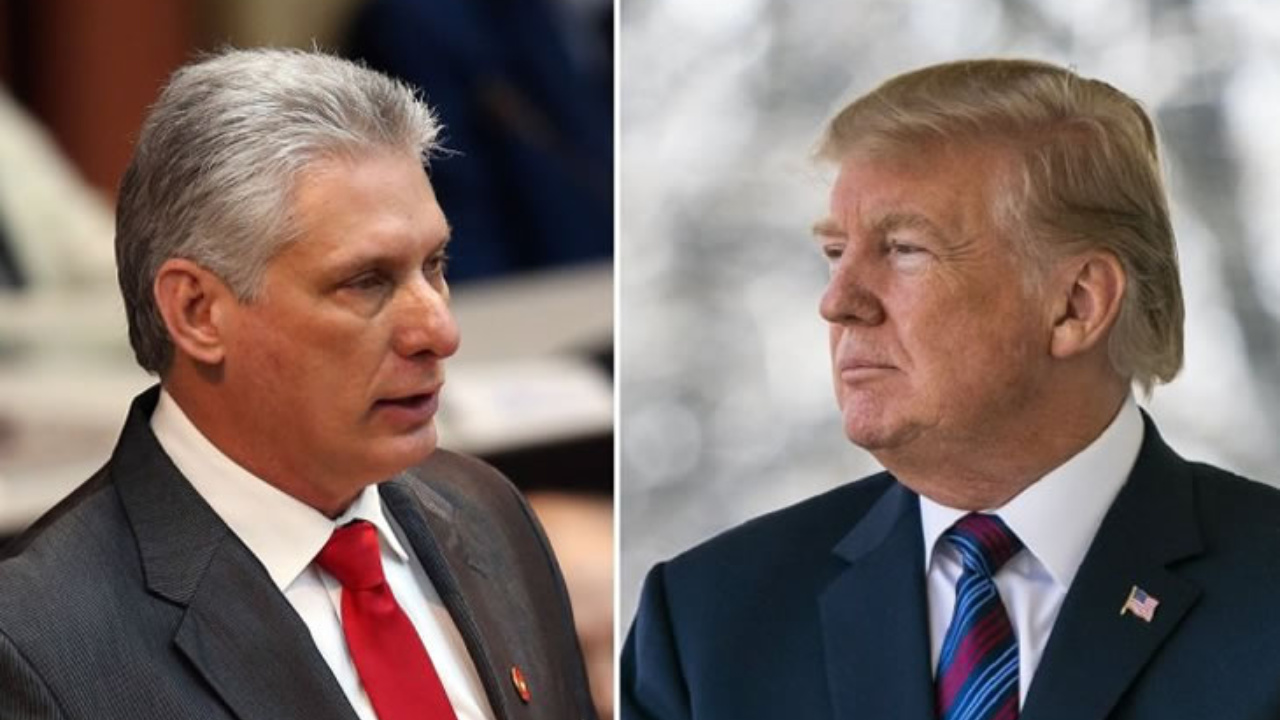
Cuba Rejects Donald Trump’s Threats About Oil and Money, Reaffirms Sovereignty, and Faces Energy Crisis Worsened by the Blockade and Reduced Venezuelan Supply.
The debate surrounding oil has intensified the historical diplomatic tension between Cuba and the United States. The Cuban president, Miguel Díaz-Canel, publicly reacted to comments made by the American president, Donald Trump, who stated that the island would stop receiving oil and financial resources, in a new political pressure move in the region.
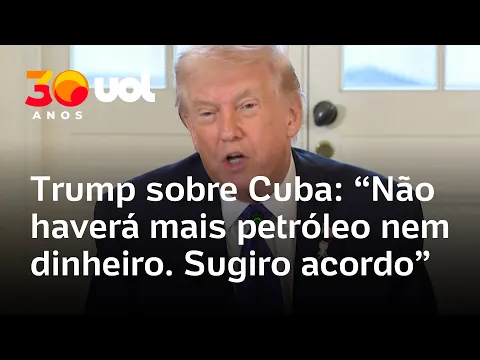
Trump’s remarks came days after the attack on Venezuela and the capture of Nicolás Maduro. According to the U.S. president, Cuba has lived for years with large volumes of oil and money coming from the Venezuelan government. Furthermore, he suggested that Havana should negotiate with Washington “before it’s too late.”
Díaz-Canel’s Response Highlights Cuban Sovereignty
In response, Díaz-Canel took to social media to reinforce the Cuban government’s position. In a post on X, the president stated that the United States has no moral authority to impose conditions on the country.
-
Farmer drills well in Ceará in search of water, accidentally finds crude oil and sees million-dollar discovery hindered by a rule that completely changes the future of the site.

-
Family finds oil on a 49-hectare site in Ceará, but exploration has no timeline or guarantee of happening

-
When drilling an artesian well, a farmer wanted water but found oil: ANP confirms that the dark liquid found by a farmer on a site in Ceará is crude oil.

-
European stocks rise with oil drop after Trump’s remarks on Iran as investors monitor global tension



“Cuba is a free, independent, and sovereign nation. No one dictates what we do. Cuba does not attack; it has been attacked by the U.S. for 66 years and does not threaten; it prepares, ready to defend the homeland to the last drop of blood”, wrote the Cuban leader.

The statement reflects the historical stance of the island’s government in the face of economic sanctions imposed since the Revolution of 1959, led by Fidel Castro.
Blockade Affects Venezuelan Oil Flow
Venezuela remains Cuba’s main oil supplier. However, shipping data indicate that no shipments have left Venezuelan ports bound for the island since Maduro’s capture, due to a U.S. oil blockade.
This scenario occurs while Washington and Caracas advance in parallel negotiations. The two countries are discussing an agreement estimated at US$ 2 billion for the supply of up to 50 million barrels of Venezuelan oil to the U.S. The funds would be deposited in accounts supervised by the U.S. Treasury Department.
The move is seen as a significant test for the emerging relationship between Trump and interim Venezuelan President, Delcy Rodríguez.
U.S. Regional Strategy Increases Pressure on Havana
Analysts note that the pressure on Cuba is part of a broader strategy by the Trump administration to align countries in the Western Hemisphere with American interests. Close advisors to the president, such as Secretary of State Marco Rubio, indicated that intervention in Venezuela could push Cuba to a political and economic limit.
U.S. officials have intensified their rhetoric against Havana in recent weeks, despite decades of already established diplomatic conflict between the two countries.
Cuban Foreign Minister Bruno Rodríguez also spoke out. In another post on X, he stated that Cuba has the sovereign right to import oil from any supplier willing to export it.
Rodríguez also denied that the country has received financial or material compensation in exchange for security services provided to allied governments. According to Cuban authorities, about 32 members of the armed forces and intelligence services of the country died during the U.S. attack on Venezuela. Havana stated that they were acting in “security and defense” roles, without detailing bilateral agreements.
Energy Dependency Worsens Internal Crisis
Cuba heavily relies on importing crude oil and fuels to maintain the operation of electric generators and its vehicle fleet. Besides Venezuela, Mexico has emerged as a secondary supplier, with purchases made in the open market.
With the decline of Venezuela’s refining capacity in recent years, the volume of oil sent to Cuba has decreased. Nevertheless, the South American country has remained the main energy partner. Last year, approximately 26,500 barrels per day were exported to the island, covering about 50% of Cuba’s deficit, according to data from PDVSA and shipping tracking.
The reduction in oil supply has direct effects on the daily lives of the population. The country faces difficulties in maintaining electricity generation. A large portion of Cubans lives without electricity for long periods of the day, including in Havana, where rolling blackouts affect commerce and services.
Shortages of food, fuel, and medicine have increased social apprehension and contributed to a record exodus in the last five years, especially towards the United States.
Alberto Jimenez, a seller of fruits and vegetables in the capital, states that the threats do not intimidate the population. “This doesn’t scare me. Not at all. The Cuban people are ready for anything,” he said.
Mexico Gains Ground as Alternative Oil Supplier
In light of uncertainties with Venezuela, Mexico has taken on a more significant role in supplying oil to Cuba, albeit in limited volumes. Mexican President Claudia Sheinbaum recently stated that the country has not officially increased shipments but acknowledged that, given the new political landscape, Mexico has become an “important supplier.”
Assessments from American intelligence indicate a delicate economic and political situation in Cuba. Sectors such as agriculture and tourism are severely affected by frequent blackouts and trade sanctions. According to sources cited by Reuters, there is no consensus within the CIA that the island is “about to fall,” as Trump stated, although the loss of Venezuelan oil may complicate Díaz-Canel’s governance.
Maria Elena Sabina, a 58-year-old parking attendant from Havana, summarizes the sentiment of part of the population. “There is no electricity here, no gas, not even liquefied gas. There’s nothing here,” she said. “So yes, a change is necessary, a change is necessary, and quickly.”





-

1 person reacted to this.