





 Portuguese
  English
  Spanish
  3 min of reading
  0 comments


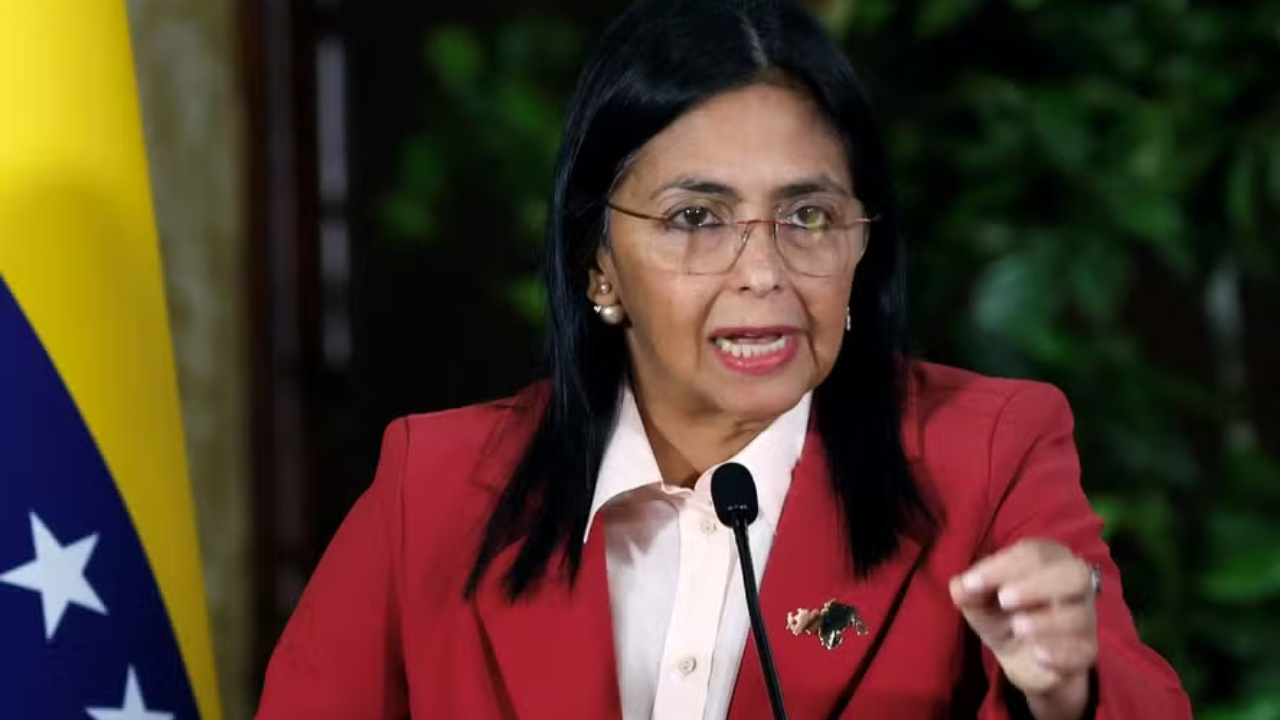
Delcy Rodríguez Defends Expansion of Oil Production and Reforms in Venezuelan Law to Attract International Investment, in Speech That Divides Opinions and Intensifies Geopolitical Debates.
Venezuela has once again placed oil at the center of economic and political discussions. In a recent speech to workers in the oil sector, interim president Delcy Rodríguez made an ambitious call: to transform the nation into a power producer of oil and natural gas.
This stance comes at a time of reforms in sector legislation and under the watchful eyes of the world, especially the United States and international investors.
“We Should Not Be Afraid”: Speech Focused on Oil and Investments
On Sunday (25), at an event held at the Puerto La Cruz refinery in the east of the country, Rodríguez stated that Venezuela should not fear the so-called global energy agenda.
-
Lula reveals a masterstroke by Petrobras to undo a deal made by Bolsonaro, which involves the return of an important refinery that currently produces less than half of what was expected and makes Brazil dependent on international diesel.
-
A study confirms that the natural gas sector will reduce greenhouse gas emissions in Brazil by 0.5% and accelerate the energy transition by 2026.

-
Petrobras implements a severe adjustment and confirms a 55% increase in the price of aviation kerosene with a proposal for installment payments for the companies.

-
The rise in oil prices could ensure an extra revenue of R$ 100 billion for the Federal Government, indicates a recent economic study.


The leader emphasized that the country has “the largest oil reserves in the world and the largest gas reserves in this hemisphere.”
“We should not be afraid of the energy agenda, nor the United States, nor the rest of the countries in the world,” Rodríguez declared.
The remarks were directed at workers of the state oil company PDVSA and broadcasted by state television. According to the interim president, the intention is to attract “large volumes of national and international investment” to develop Venezuela’s oil and gas reserves.
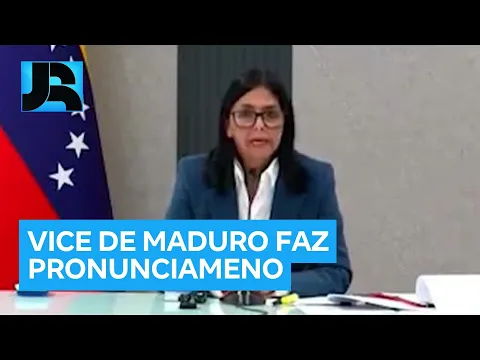

At the same time, the Venezuelan Parliament approved in the first reading a proposal to reform the Organic Hydrocarbons Law. This legislative change represents a significant move in the regulatory model of the oil sector, historically dominated by the state.
The proposal seeks to incorporate mechanisms that allow for greater participation of private and foreign companies in the exploration and production of oil.
This would include contracts that foresee productive participation and revenue sharing, opening the door for partnerships with external capital without removing the majority state control of PDVSA.
Rodríguez has emphasized that the tested models of productive participation contracts (CPP) — which increased productivity in oil fields in 2024 and 2025 — should be formalized in the new law.
According to the interim president, these models contributed to jumps in production in certain fields, raising the daily average of barrels produced.
Oil and Foreign Policy: The Eyes of the United States
The reform and the Venezuelan energy speech occur in a context of delicate relations with the United States.
While part of the Venezuelan ruling elite seeks to attract American investments to the oil sector, Washington has pressured for greater openness and legal security for foreign investors.
Recently, an agreement for supplying Venezuelan oil to the U.S. market was reported, signaling a new phase of interaction between Caracas and Washington.
Analysts in the United States are discussing strategies to capture a part of this potential, including plans for investment in export infrastructure.

Experts observe, however, that despite Venezuela’s gigantic oil reserves — considered among the largest in the world — there are substantial challenges.
Among them are international sanctions, legal uncertainties, and the need to modernize the oil industry, which has suffered decades of production decline.
Expectations About Future Production and Impact on the Global Market
Industry leaders claim that the reform could allow for a significant increase in production as early as 2026. According to statements from PDVSA executives, the legal modification could ensure an estimated growth of about 18% in oil production over the course of this year.
This scenario suggests that, if the legislation advances to final approval, Venezuela may be able to reconfigure not only its role in the domestic market but also its relevance in the global energy market.
If a country rich in oil, like Venezuela, still faces a crisis, what does that say about our own future?









Seja o primeiro a reagir!