






 Portuguese
  Spanish


Venezuela Reacts to the Sending of U.S. Warships, Calls Militia, and Denounces Violation of Tlatelolco Treaty with Nuclear Submarine
The number 2 of chavismo and Minister of Interior, Justice, and Peace of Venezuela, Diosdado Cabello, declared this Wednesday (27) that the regime of Nicolás Maduro is on alert due to the presence of U.S. military forces in the Caribbean, near the country’s coast.
During his television program Con el mazo dando, broadcast by state channel VTV, Cabello stated that the regime does not ignore American military actions and is preparing for the worst.
“We do not underestimate any threat. We do not overestimate it either, and we certainly do not disregard it. We always prepare for the worst,” said the minister during the broadcast.
-
European Parliament Approves Digital Euro, Aiming to Challenge Visa and Mastercard’s Dominance and Transform Payments Across Europe by 2029

-
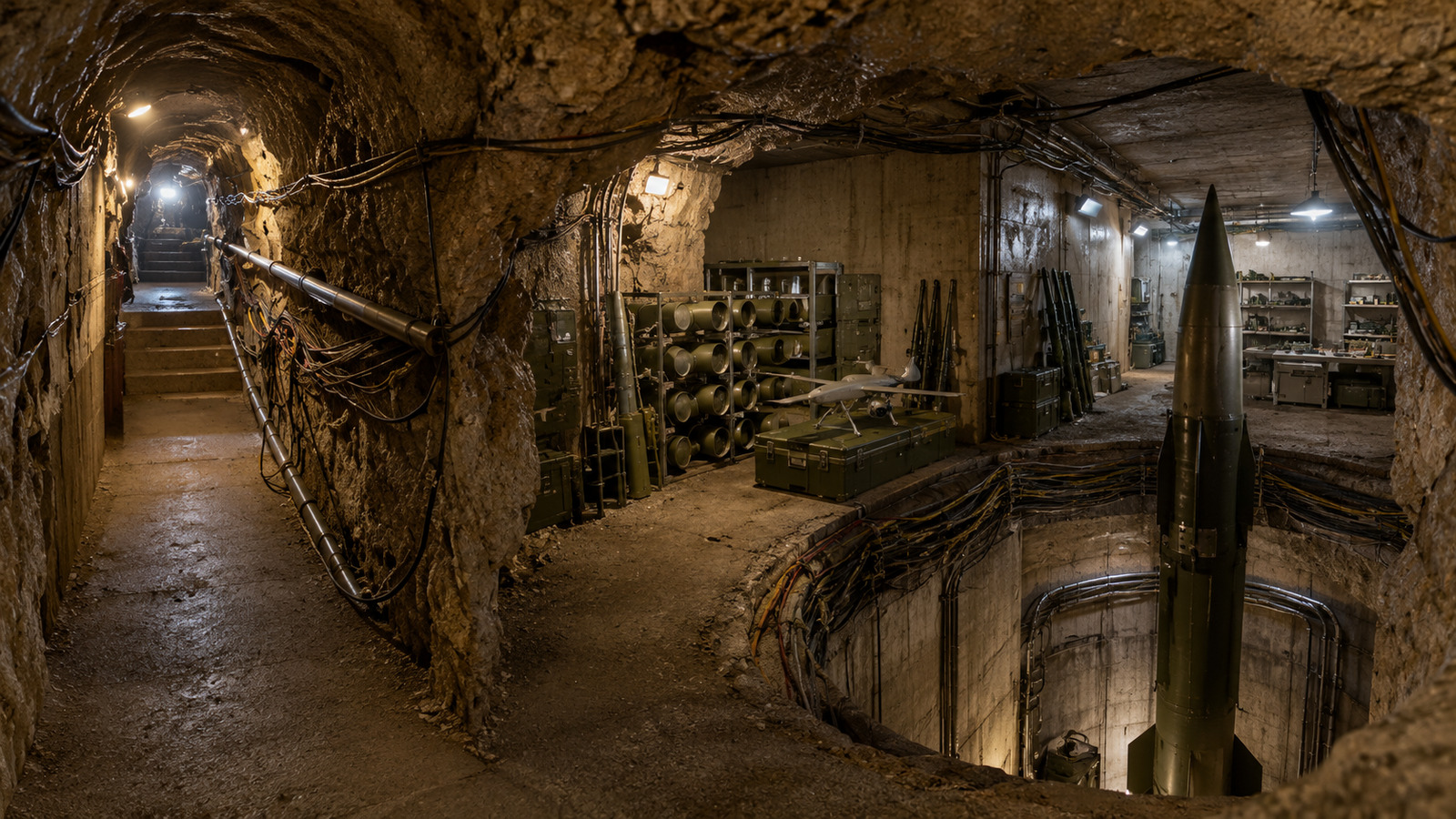
Israel finds Hezbollah militarized tunnel over 200 meters long under village, with 4 missile launch shafts, 12 chambers, anti-tank missiles, drones, and weapons depots at a depth of 25 meters.

-
Ukraine launches largest drone attack on Moscow since 2022, Russia claims to have intercepted nearly 200 aircraft near the capital, Kapotnya refinery targeted again, and offensive reignites alert about war reaching the Russian energy heart just a few kilometers from the Kremlin.

-
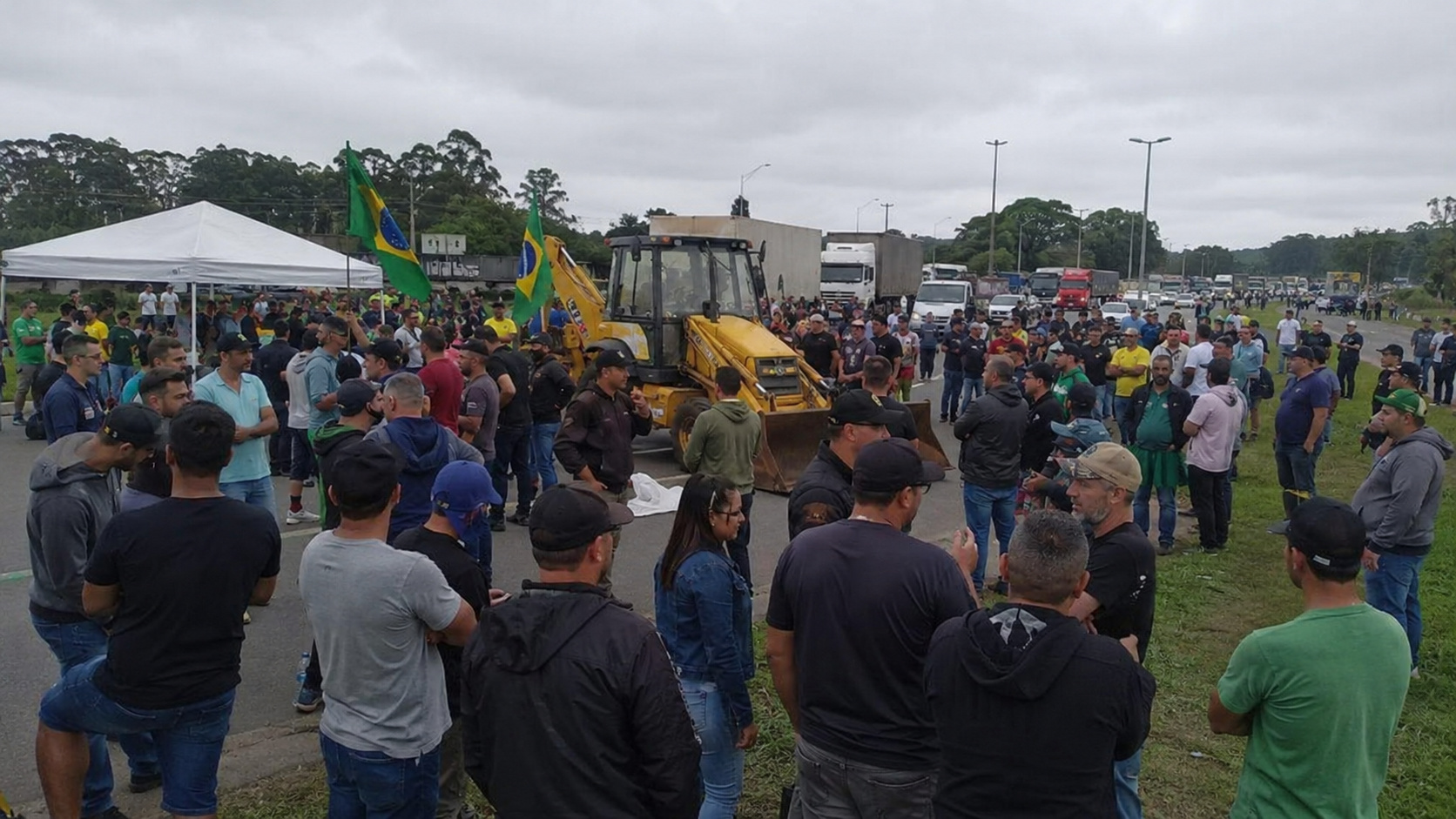
Truck drivers, freight, and fines from 2022 take center stage in politics: Chamber approves MP with amnesty, mandatory tracking by CIOT, million-dollar penalties, and new minimum wage for those who spend more than 24 hours on the road.


U.S. Pressure in the Caribbean
The statement comes after Washington announced the deployment of warships to reinforce the regional operation against drug trafficking.
The main target, according to the U.S., is the Cartel de los Soles, identified as being linked to high-ranking chavismo officials and supposedly led by Maduro.
The regime denies the accusations and classifies the American action as “a serious threat to peace and regional security.”
Furthermore, the Venezuelan dictatorship appealed this week to the Tlatelolco Treaty of 1967, which declared Latin America a nuclear-weapon-free zone.
According to Caracas, the U.S. would be violating the pact by sending a nuclear submarine along with the warships.
Mobilization of the Militia
In the same broadcast, Cabello praised the call made last weekend for the enlistment of the Bolivarian National Militia.
He highlighted that the turnout was, according to his account, spontaneous and motivated by the defense of the homeland.
“It overflowed from all sides. No one was forced, but they showed up of their own accord to defend the Homeland,” he declared.
The most important aspect is that this narrative faces resistance. Opponents and international outlets, such as CNN, assert that enlistment posts were empty, while the locations showcased by state propaganda gathered public servants and citizens in vulnerable situations, called under pressure.
Criticism of the Opposition
In light of these accusations, Cabello once again attacked political opponents. He directed criticism at leader María Corina Machado, accusing her of “<strong;creating a fiction” to downplay the mobilization promoted by the regime.
“While they continue to deceive themselves, we will keep moving forward,” stated the chavista leader, reinforcing the confrontational tone.
Recruitment Expansion
The Minister of Defense of Venezuela, Vladimir Padrino López, confirmed that the recruitment process will continue in the coming days at more than a thousand points across the country.
According to him, this is a “defense” strategy against the threat posed by the American military presence.
Million-Dollar Reward
Meanwhile, the United States has increased diplomatic and judicial pressure. The administration of Donald Trump announced earlier this month that it had doubled the reward to US$ 50 million for information leading to Maduro’s capture.
The dictator is accused in American courts of leading a criminal state involved in drug trafficking and money laundering.
With information from Gazeta de São Paulo.





Be the first to react!