






 Portuguese
  Spanish
  3 min of reading
  0 comments


Bunker One and UFRN Show Viability of Green Fuel B7 for Ships. Laboratory Tests Prove Biodiesel’s Effectiveness in Reducing CO2 Emissions.
Recently, a study conducted by the Federal University of Rio Grande do Norte in partnership with Bunker One demonstrated the viability of using biofuel B7 as an energy source for vessels. This research aims to evaluate the environmental and economic benefits of biofuel in the maritime sector, aiming to reduce the emission of pollutants in the atmosphere and promote sustainability in the shipbuilding industry.
The laboratory tests proved the effectiveness of biodiesel B7, a type of green fuel, in replacing conventional diesel and significantly reducing CO2 emissions. This discovery represents an important advancement in the search for cleaner and renewable alternatives for the global energy matrix, demonstrating that it is possible to reconcile economic development with environmental preservation. Bunker One intends to deliver the results of this research to the Ministry of Mines and Energy and ANP, reinforcing the company’s commitment to best environmental practices and sustainable innovation.
Experimental Study on the Use of Biofuel in Vessels
The use of biofuels has proven to be a viable and promising alternative in a scenario of global decarbonization. In Brazil, Bunker One and UFRN initiated experimental research in 2021 to assess the viability of using biodiesel in vessels. The biodiesel used in the study is from second generation, produced from animal waste and used cooking oil.
-
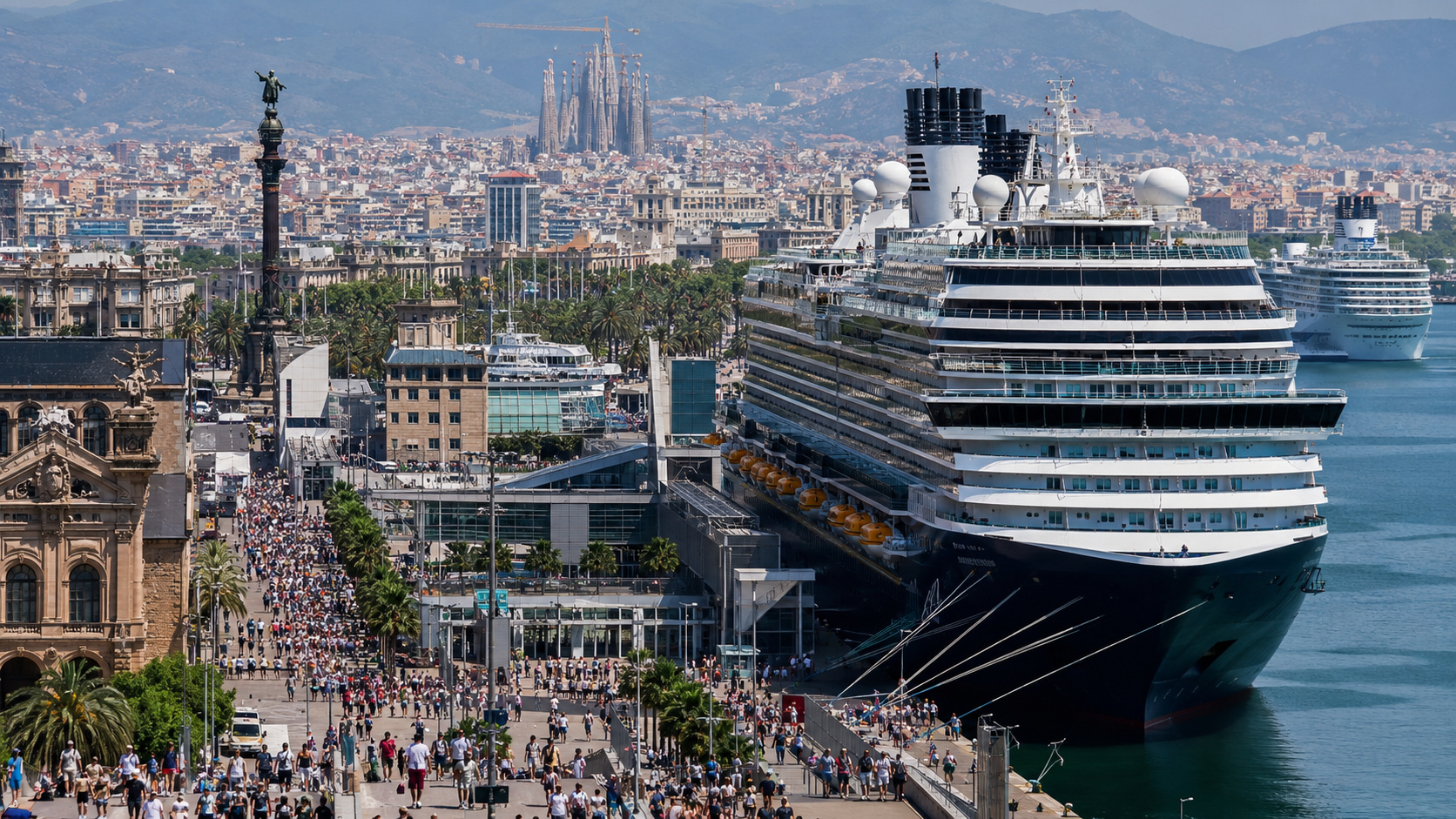
While many ports want to grow, Barcelona has decided to do the opposite and will cut cruise terminals from 7 to 5 after pressure from residents, protests, and crowds.

-
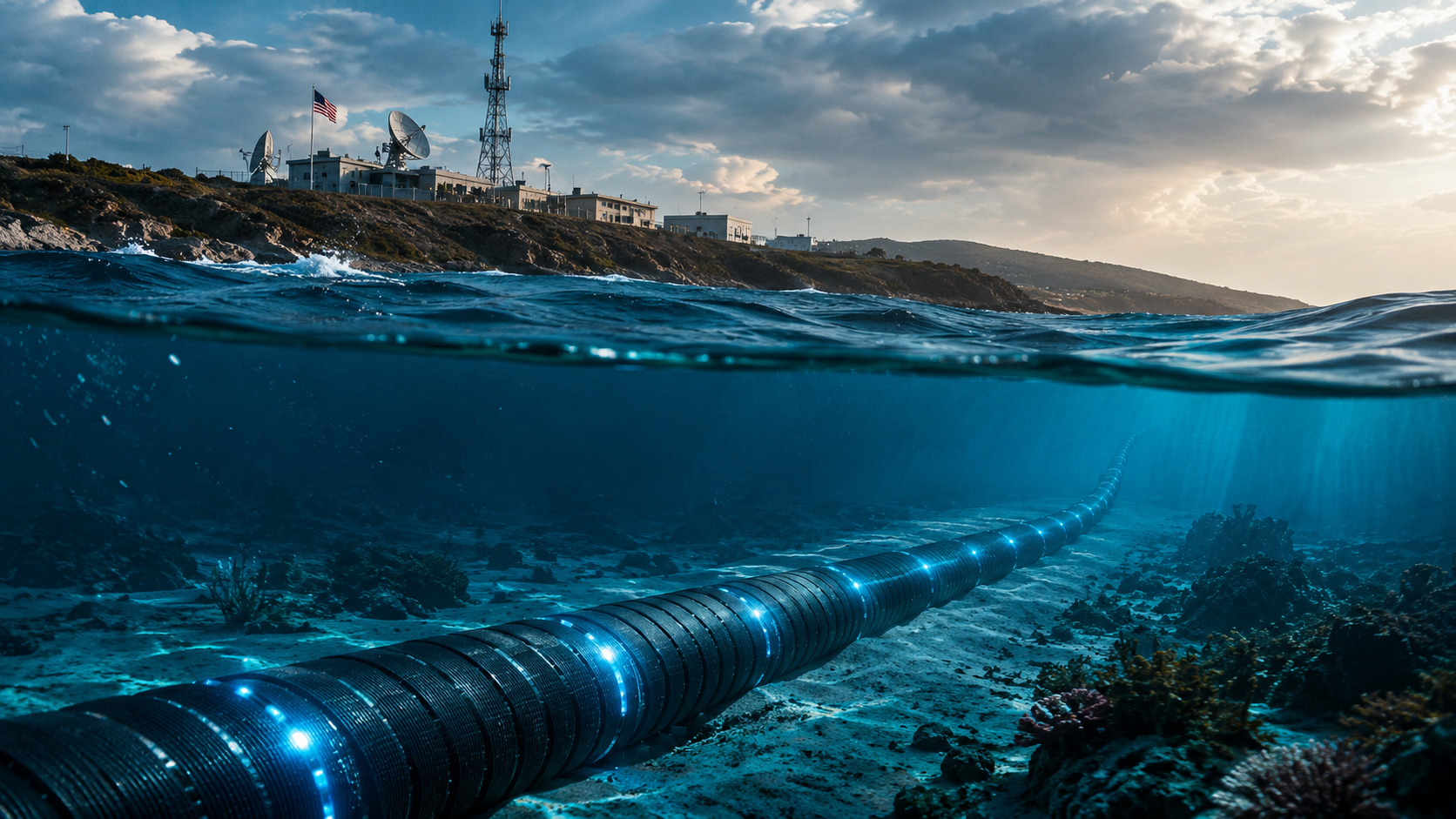
The United States wants to tighten control over submarine cables that carry 99% of international internet, silently cross oceans, total more than 400 routes worldwide, and have become a strategic piece in the competition for data, technology, and suppliers.
-
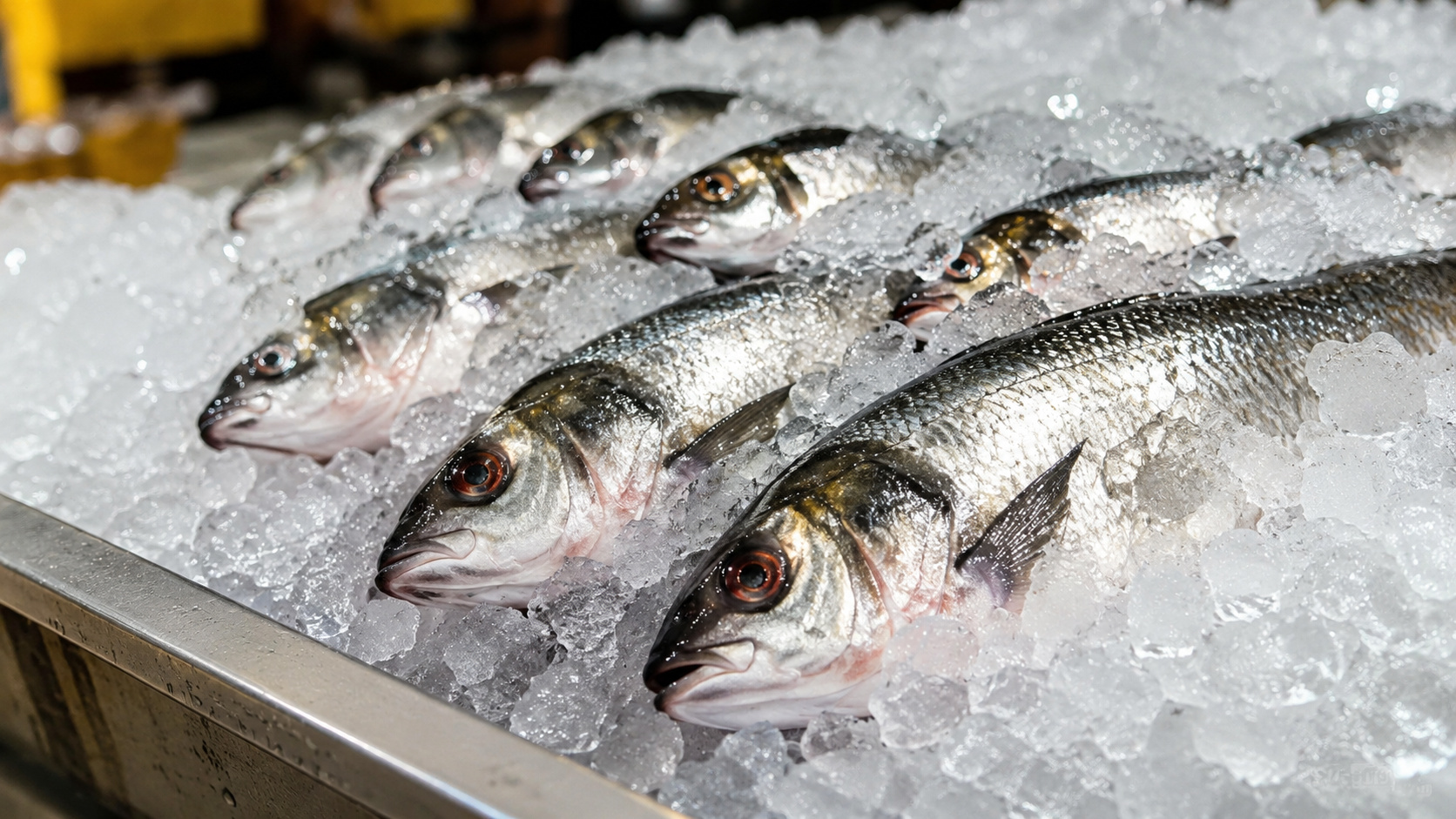
European Union looks again at Brazilian seafood after a nearly 8-year ban and may unlock a coveted market for lobster, tuna, tilapia, and shrimp.
-
Voltalia secures 322 MW of electrical connection in Pecém and targets data centers with renewable energy, robust network, and dedicated wind projects in Ceará.
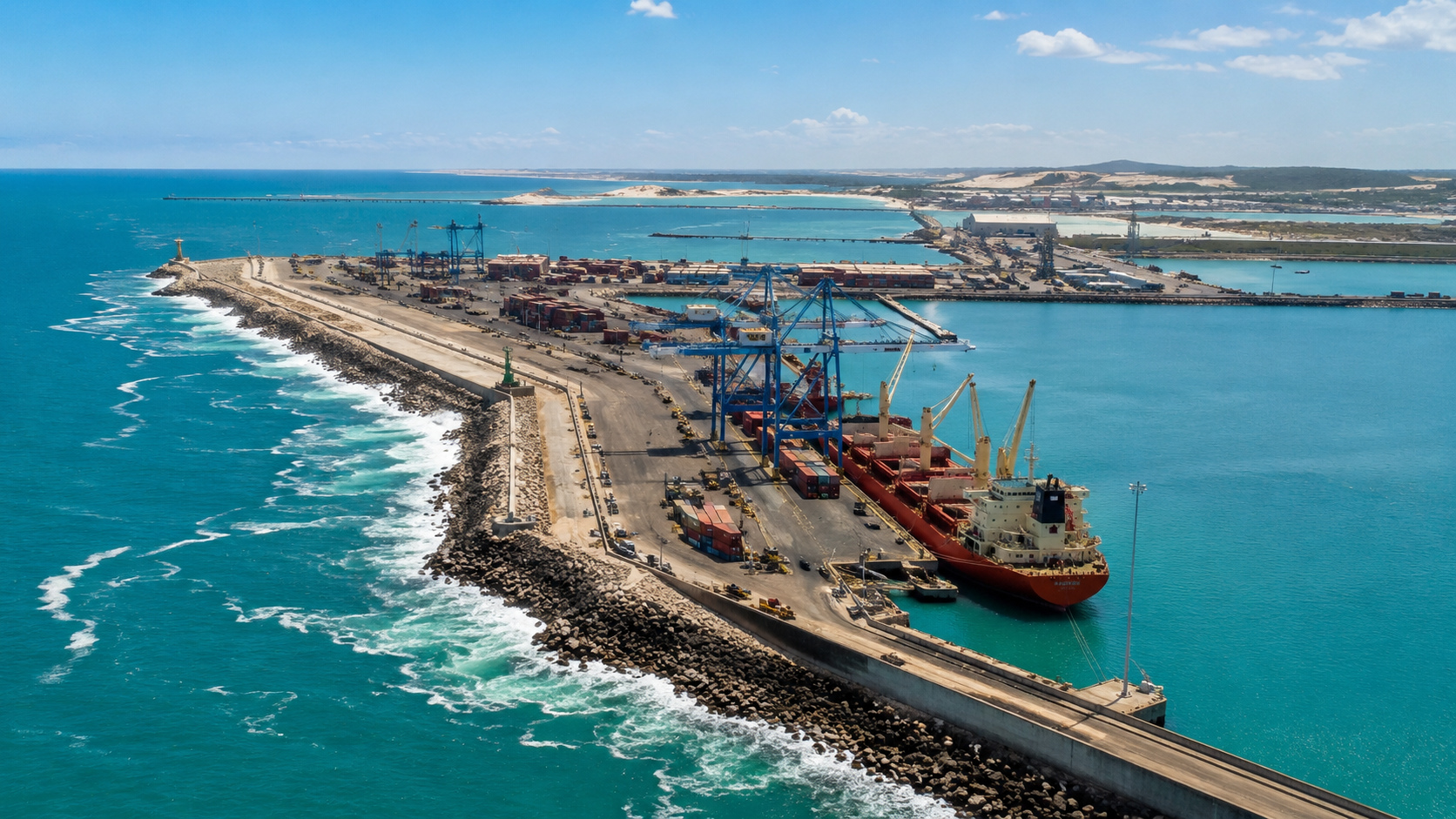
The research, led by professor Amanda Gondim, initially involved a literature review to evaluate similar studies conducted in Brazil and abroad. Subsequently, laboratory tests were performed, mixing diesel and biodiesel in different proportions, ranging from 5% to 100% of the biofuel.
The Importance of Biofuel B7 in Maritime Transport
The results indicated that a mixture of 7% biodiesel to marine diesel, known as B7, met Brazilian and international standards and was the most suitable for the study. In 2023, the final phase of the viability test began, where B7 was tested in a tugboat from Nova Offshore.
During the tests, it was observed that the technical viability of B7 was similar to traditional diesel, with the engine operating normally and similar consumption. Furthermore, the atmospheric effect was positive, with a 2% reduction in carbon dioxide emissions.
Future Perspectives for the Use of Biofuel in the Maritime Sector
The objective of the study is to encourage the use of biofuels in the maritime sector, aiming to reduce the carbon footprint and adopt more sustainable practices. Bunker One intends to provide the complete material of the study to the Ministry of Mines and Energy and ANP, paving the way for other companies to replicate the test.
With potential customers interested in biofuels, Bunker One plans to market green fuels in Brazil in the near future. The company, a subsidiary of the Danish group Bunker Holding, aims to lead the global market for marine fuel supply, promoting the transition to more sustainable sources. Learn more at https://bunkerone.com/
Source: © Credit: Disclosure/Bunker One




Be the first to react!