Portuguese
  Spanish



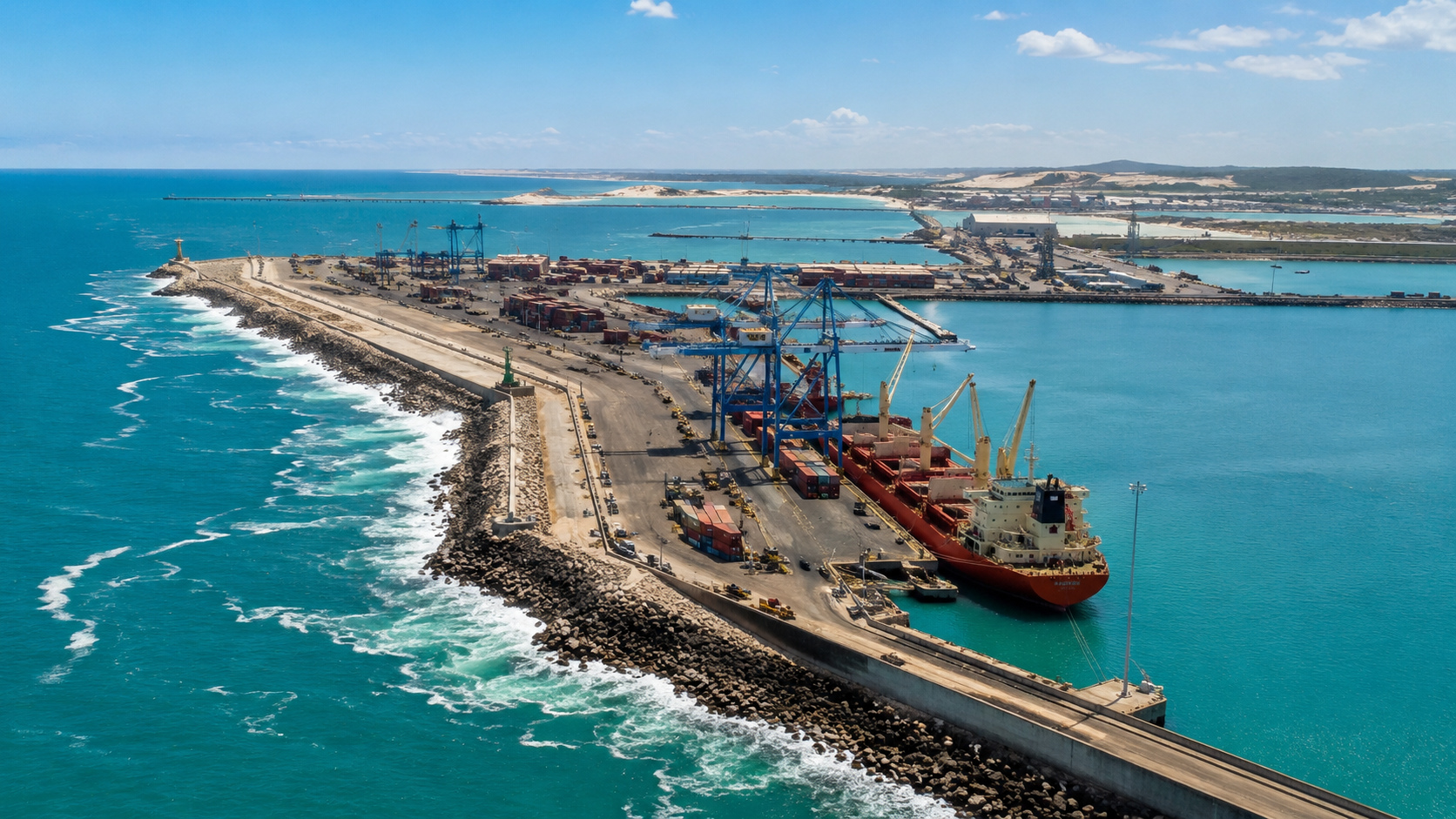
Port of Suape rises 38.5% and Itaqui soars 44% in January as Brazilian Northeast becomes growth engine for the country’s public ports
The public ports of the Brazilian Northeast led the growth of the port sector at the beginning of 2026. Firstly, the Port of Suape (PE) handled 2.2 million tons in January 2026 with an increase of 38.5%. Secondly, the Port of Itaqui (MA) recorded 2.1 million tons with a growth of 44%, according to official data from the Ministry of Ports and Airports.
The Port of Pecém (CE) complemented the regional performance with 1.5 million tons handled (+0.3%), according to the ministry. Meanwhile, the three ports together transported almost 6 million tons in a single month, highlighting the growing relevance of the Northeast in Brazilian foreign trade.
According to ministerial data, the growth is mainly due to liquid bulk and containers in Suape, and solid bulk such as fertilizers, corn, and soybeans in Itaqui. Similarly, flows of gasoline and diesel increased due to the supply crisis generated by the Russia-Ukraine war and tensions in Hormuz.
-
Petrobras Secures $2.2 Billion Contract to Build and Operate Four Support Vessels for Brazil’s Offshore Oil Fields

-
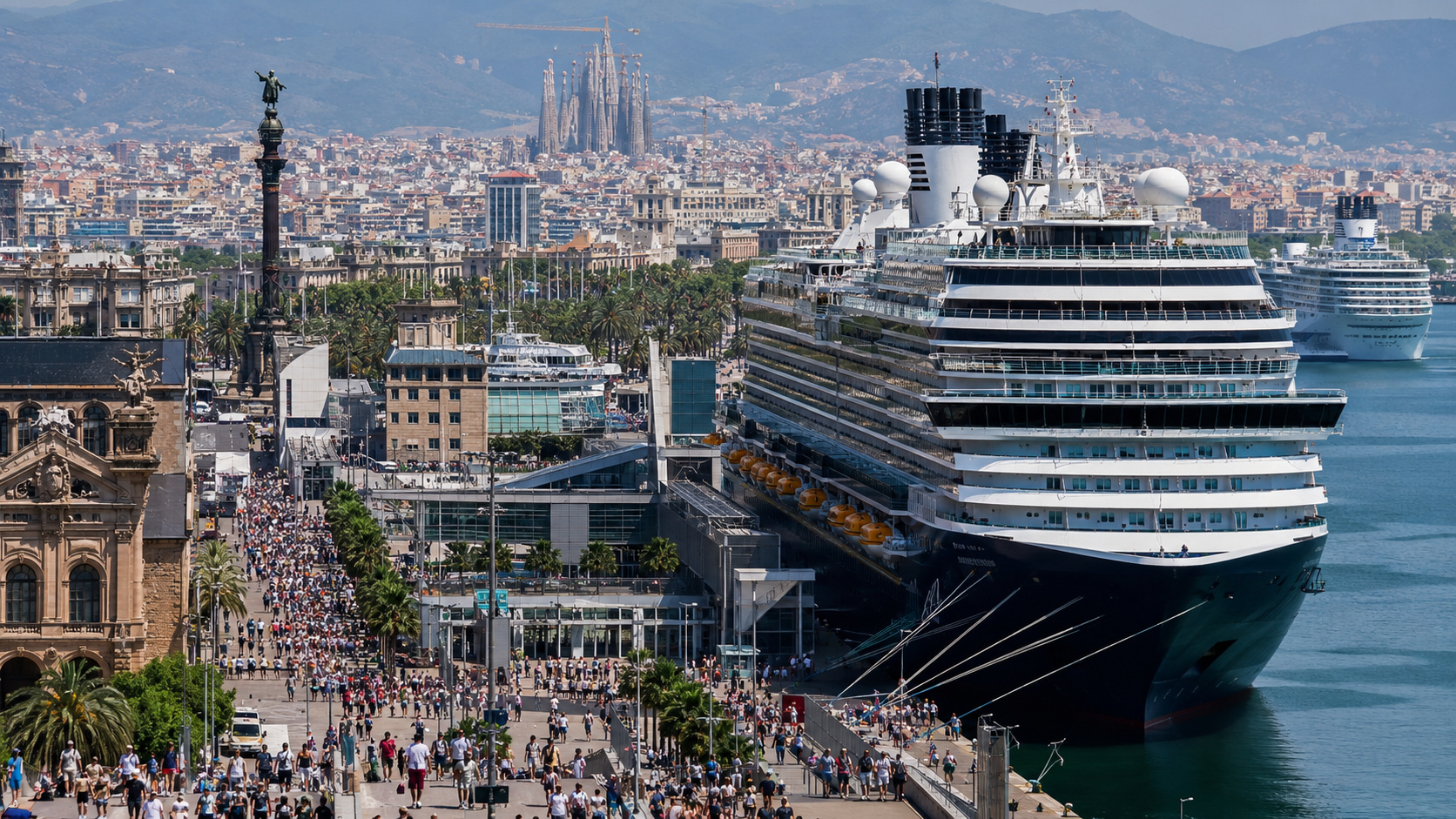
While many ports want to grow, Barcelona has decided to do the opposite and will cut cruise terminals from 7 to 5 after pressure from residents, protests, and crowds.

-
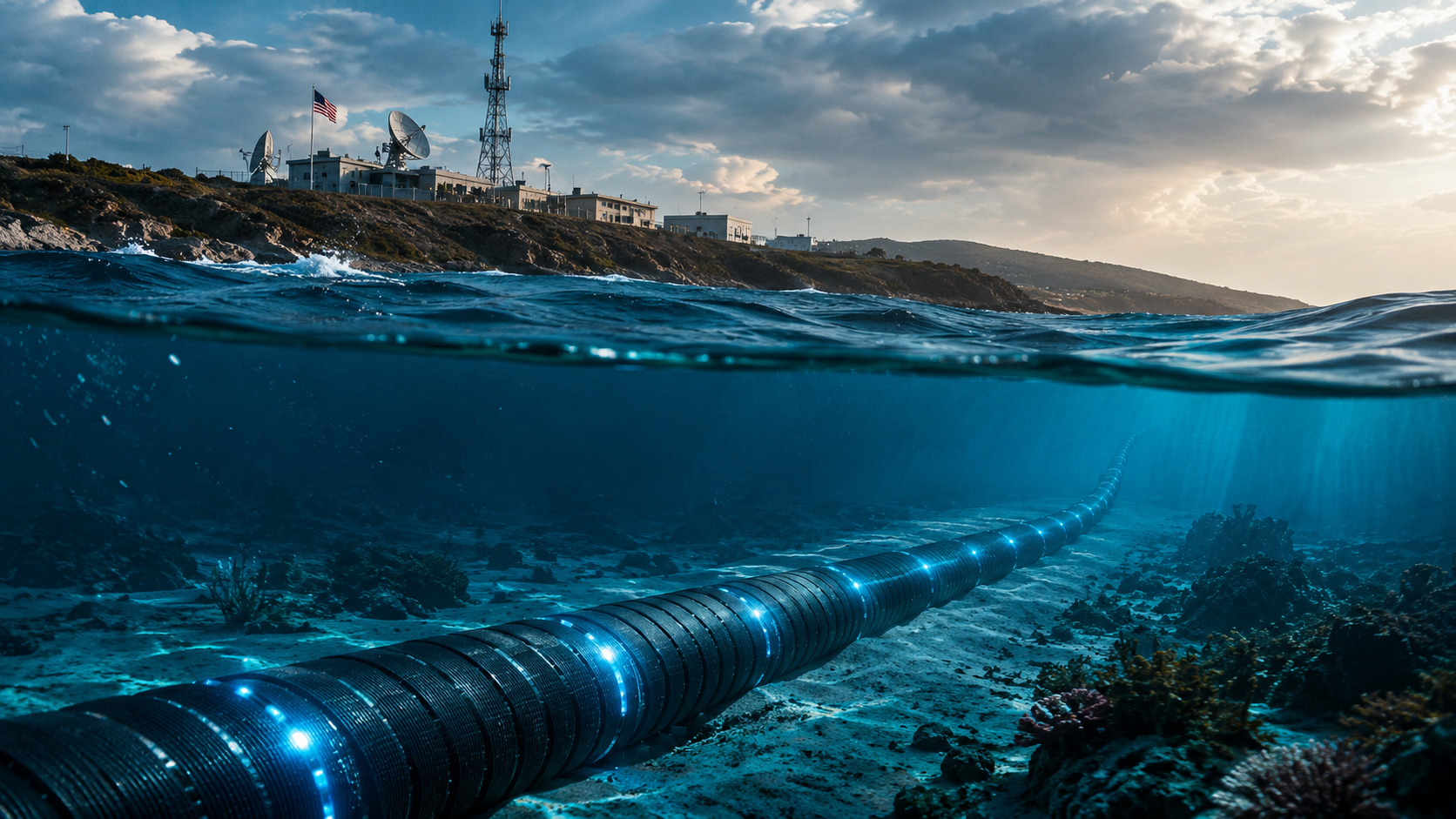
The United States wants to tighten control over submarine cables that carry 99% of international internet, silently cross oceans, total more than 400 routes worldwide, and have become a strategic piece in the competition for data, technology, and suppliers.
-
European Union looks again at Brazilian seafood after a nearly 8-year ban and may unlock a coveted market for lobster, tuna, tilapia, and shrimp.

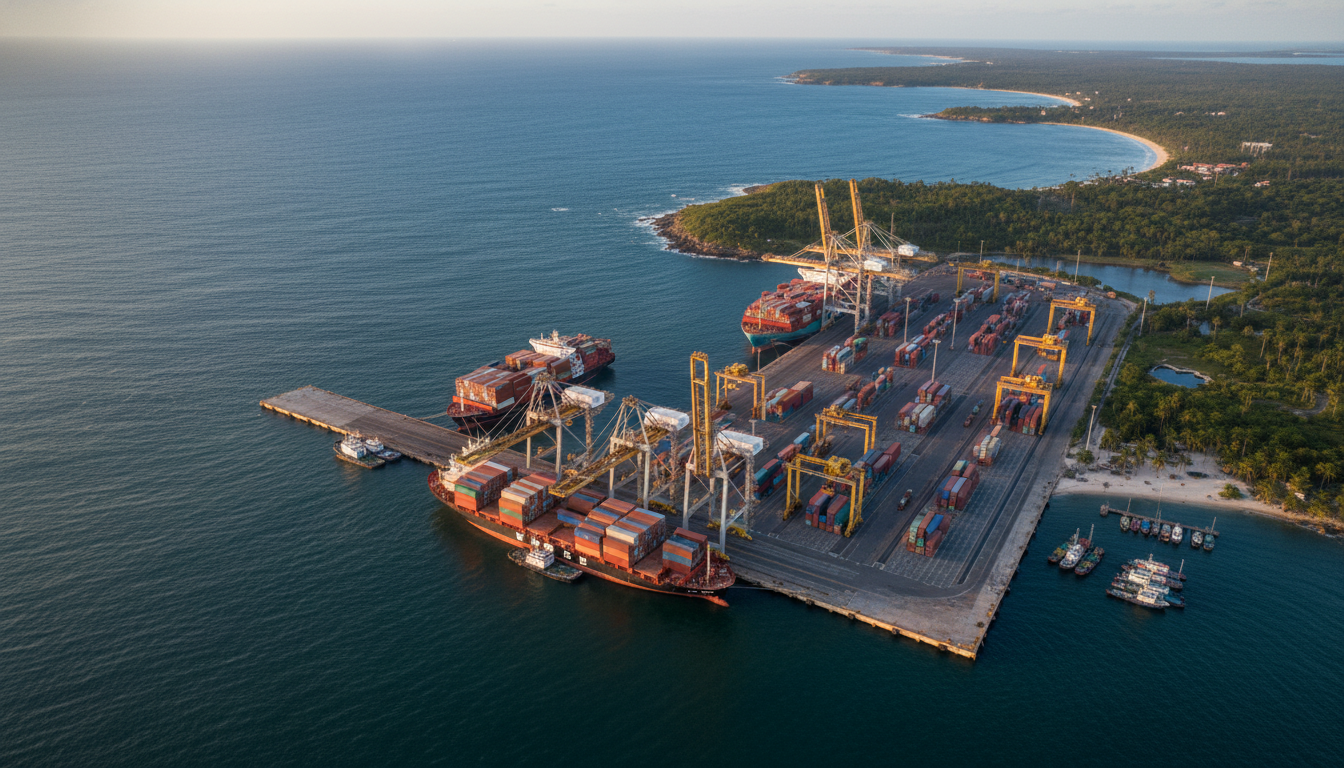
Port of Suape: the giant of Pernambuco that received a 366-meter super ship
The Port of Suape is the second-largest port in the Northeast and is located in Cabo de Santo Agostinho (PE), 40 km from Recife. Firstly, it specializes in liquid bulk — fuels, gas, and petrochemical products. Secondly, it houses Petrobras’ Abreu e Lima refinery with a capacity of 230,000 barrels/day.
According to the state port authority, Suape received in 2026 the largest container ship ever operated in the Northeast: the super ship with 366 meters in length and a capacity of 18,000 TEU. In comparison, this is equivalent to 4 football fields lined up. Consequently, the Port of Suape positions itself as a container hub for the North-Northeast.
Meanwhile, Suape is advancing an unprecedented project: the first 100% electrified container terminal in Latin America, announced in March 2026. To understand the scale, this will reduce CO2 emissions by 30% per container moved. Similarly, the operation will use electric cranes, electric RTGs, and electric port trucks.

Port of Itaqui: the boom of Maranhão’s fertilizers, corn, and soybeans
The Port of Itaqui is located in São Luís (MA) and specializes in solid bulk. Firstly, it receives iron from Carajás transported by Vale’s railway. Secondly, it exports corn, soybeans, and meal from the Matopiba harvest — an agricultural region of Maranhão, Tocantins, Piauí, and Bahia growing 8% per year.
According to the Maranhão Port Administration Company (EMAP), Itaqui handled in January 2.1 million tons, highlighting:
- Fertilizers (import): urea, MAP, and KCl — increase of 50%
- Corn: 380,000 tons exported (China, Egypt, Spain)
- Soybeans: 480,000 tons — increase of 38%
- Iron ore: 600,000 tons via Carajás
- Fuels: 300,000 tons in liquid bulk
Meanwhile, the port is investing in pier 100 which will start operations in 2027 — it will increase total capacity to 40 million tons/year. Similarly, dredging to 18 meters draft will allow docking of Capesize ships with up to 220,000 DWT.
Pecém: the port betting on Ceará’s green hydrogen
The Port of Pecém (CE) is a reference in green hydrogen strategy in Brazil. Firstly, it houses the country’s first H2V export project through a partnership between Fortescue and CEPP. Secondly, it received investments of R$ 5 billion in 2025 for a clean energy hub.
According to the Pecém Industrial and Port Complex Development Company, the movement of liquid bulk grew 12% in the semester. Similarly, the port received 1.5 million tons in January 2026, with a slight increase of 0.3%. Consequently, it is the third most active public port in the Northeast.
Meanwhile, projects like WEG Aerogerador (assembly of wind turbines with parts exported through Pecém) and the CSP-Ternium steel complex (with production of 3 million tons/year of steel) reinforce the port’s industrial role. Therefore, Pecém is today the most diversified public port in the country in terms of cargo.
The regional leap: why the Northeast grows more than the Southeast in ports
The Southeast has the busiest private ports — Santos (SP), Tubarão (ES), Açu (RJ). Firstly, these operate with high-value-added cargo and are saturated in some areas. Secondly, the Northeast offers expansion space and lower logistical costs on international routes.
According to Antaq, ports in the Northeast grew 22% in movement in 2025, compared to 3.5% in the Southeast. Similarly, investments in dredging works, new terminals, and access railways total R$ 18 billion planned until 2030 in the region. Consequently, there is a race to meet demand.
Meanwhile, integration with the Ferrogrão (future MT–PA railway) and the Norte-Sul is expected to increase flow via North-Northeast ports — Itaqui, Vila do Conde (PA), and Açu — to the detriment of Santos. Consequently, Brazil’s cargo balance tends to geographically rebalance over the next 10 years.

Implication for the oil and gas sector
For the O&G sector, the ports of the Northeast have strategic importance. Firstly, Suape exports fuels to the entire North-Northeast. Secondly, Itaqui-Maranhão serves the domestic market and exports oil from Maranhão’s offshore (Pará-Maranhão Basin).
According to Petrobras, Suape’s fuel terminal is strategic for regional supply. Meanwhile, new LNG terminals in Pecém and Bahia (TGB) are advancing for regasification of imported natural gas. Similarly, Pecém is fundamental for the Brazilian green hydrogen sector.
In comparison, the port of Santos still has the largest absolute volume of fuels — over 12 million tons/year. On the other hand, the percentage growth is in the Northeast. Therefore, Petrobras is considering expanding the capacity of northeastern terminals as part of the 2026-2030 plan.

Note on seasonality and infrastructure
Although January’s growth is significant, experts warn about seasonality. Firstly, soybean and corn exports are concentrated in January-April. Secondly, fertilizer imports follow the harvest cycle. Therefore, the growth of 38.5% in Suape and 44% in Itaqui may slow down in the second half.
On the other hand, there are infrastructure bottlenecks. The BR-316 highway connecting Itaqui to the interior of Maranhão has potholes. Similarly, the Norte-Sul Railway needs complementary works for full use. Other coverage of Brazilian ports is in the Click Petróleo e Gás archive. Will the Northeast surpass the Southeast in port volume by 2030?