





 Portuguese
  English
  Spanish
  5 min of reading
  0 comments


Although The Image Of Purity Built By Marketing, Recent Studies Indicate That Bottled Water May Contain Bacterial Contamination, Microplastics, Less Frequent Testing And Less Strict Rules Than Tap Water In Countries With Structured Public Supply
The Expansion Of Bottled Water Consumption Reflects The Growing Distrust In Tap Water, Although Recent Studies Indicate That The Product May Contain Bacterial Contamination, Microplastics And Less Oversight, Raising Questions About Safety, Public Health And Environmental Impacts On A Global Scale.
Expansion Of Consumption And The Construction Of The Perception Of Purity Of Bottled Water
The Transformation Of Bottled Water Into A Global Staple Occurred Even In Countries Where Public Supply Is Among The Most Rigorously Tested. The Growth Of This Market Was Driven By The Perception That The Product Would Be Purer, Healthier And More Convenient.
Marketing Played A Central Role In Consolidating This Image, Associating Bottled Water With Ideas Of Superior Safety And Quality. However, Accumulated Scientific Evidence Indicates That This Perception Does Not Necessarily Reflect The Reality Of Monitoring And Control Processes.
-
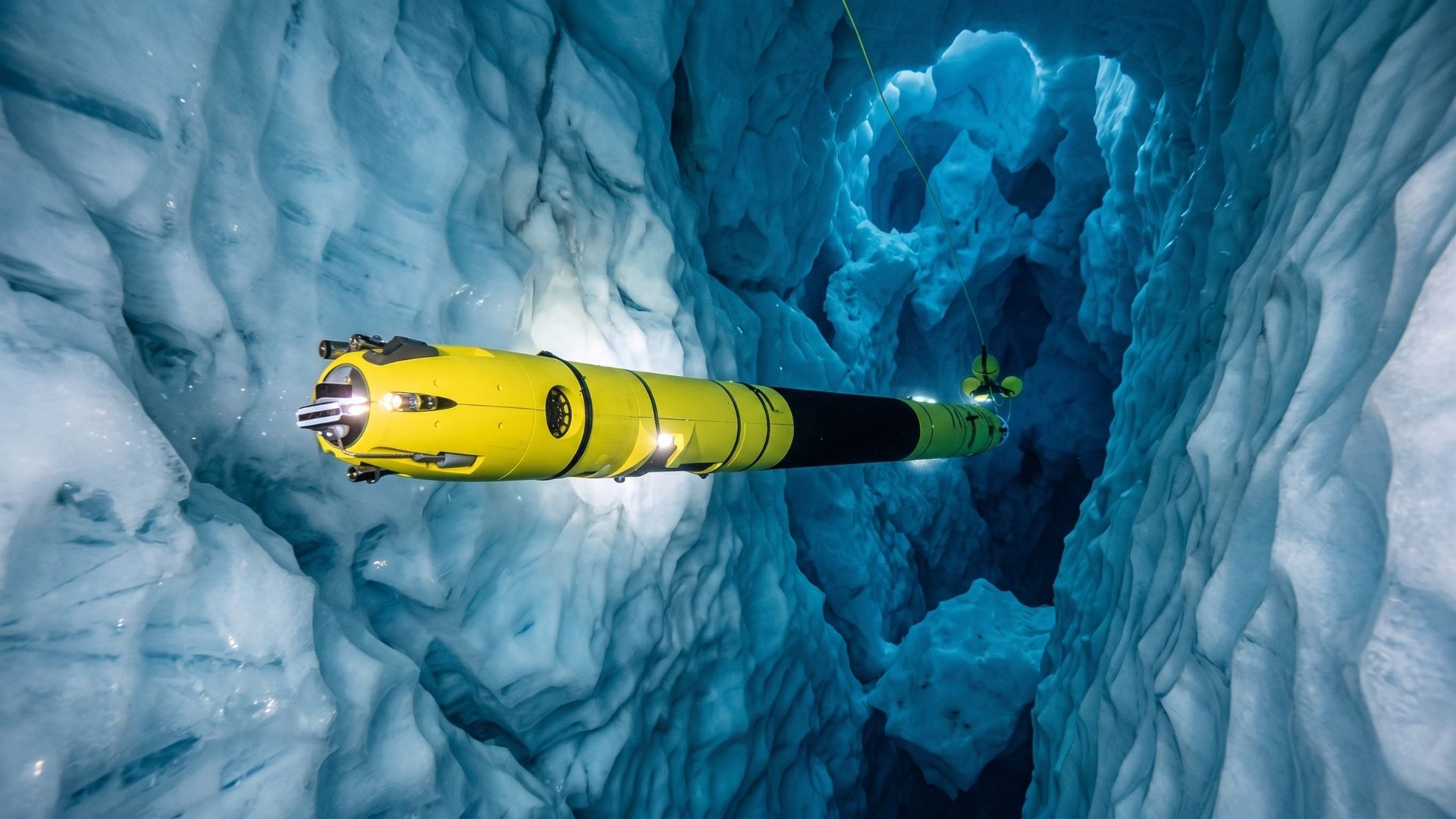
A torpedo-sized submarine robot was launched through a 600-meter hole in the “doomsday glacier” and revealed cracks melting up to 10 times faster; Icefin showed from the inside how warm water threatens Thwaites, an ice mass capable of raising sea levels by almost 70 cm.

-
The iPod is back in full force: young people are reviving Apple’s old device to escape digital distractions and control their own soundtrack.

-
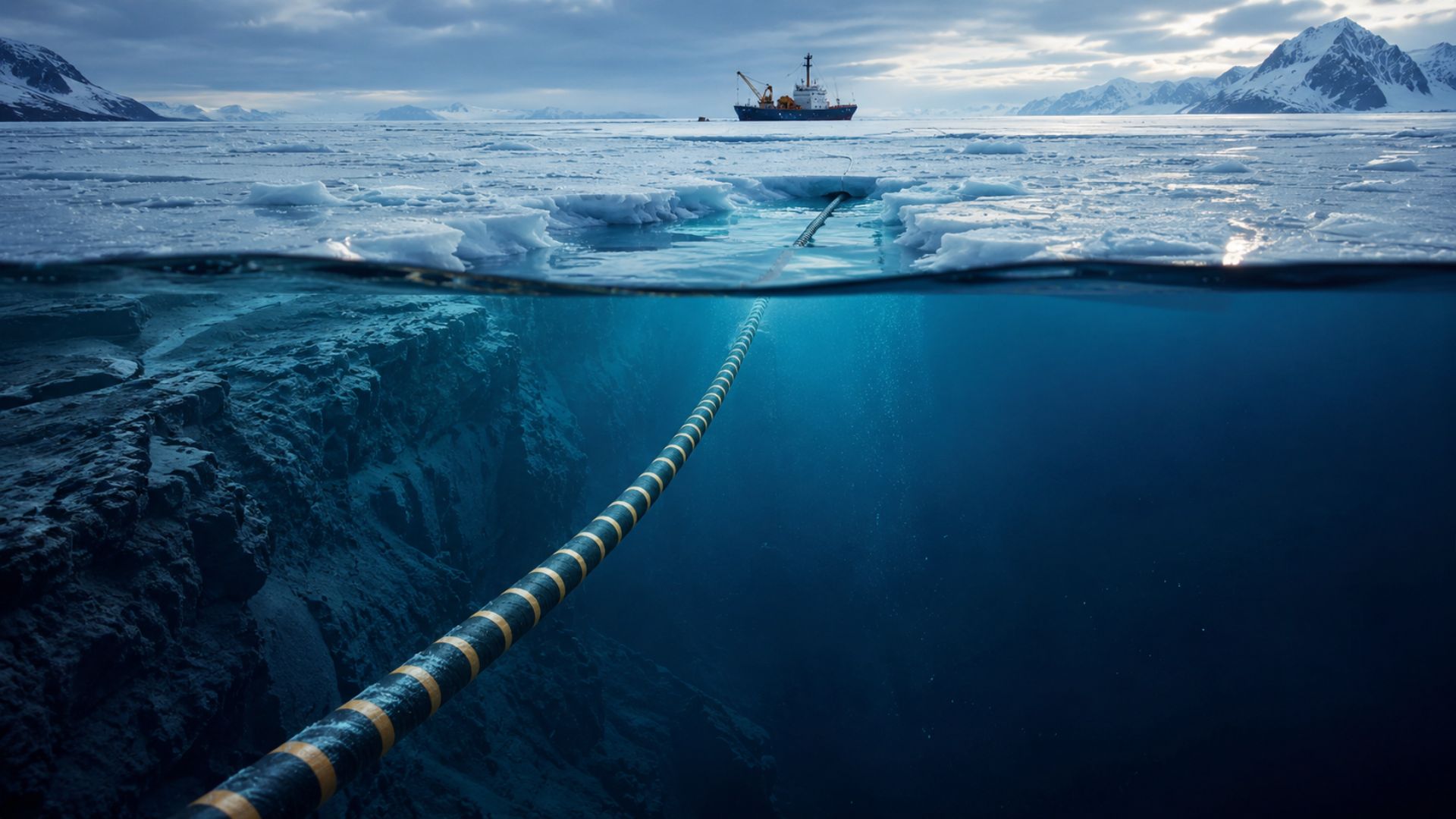
For the first time in history, a submarine cable will descend to four thousand meters deep under the ice of the North Pole to ensure that the internet between Europe and Asia no longer depends on conflict zones in the Middle East.
-
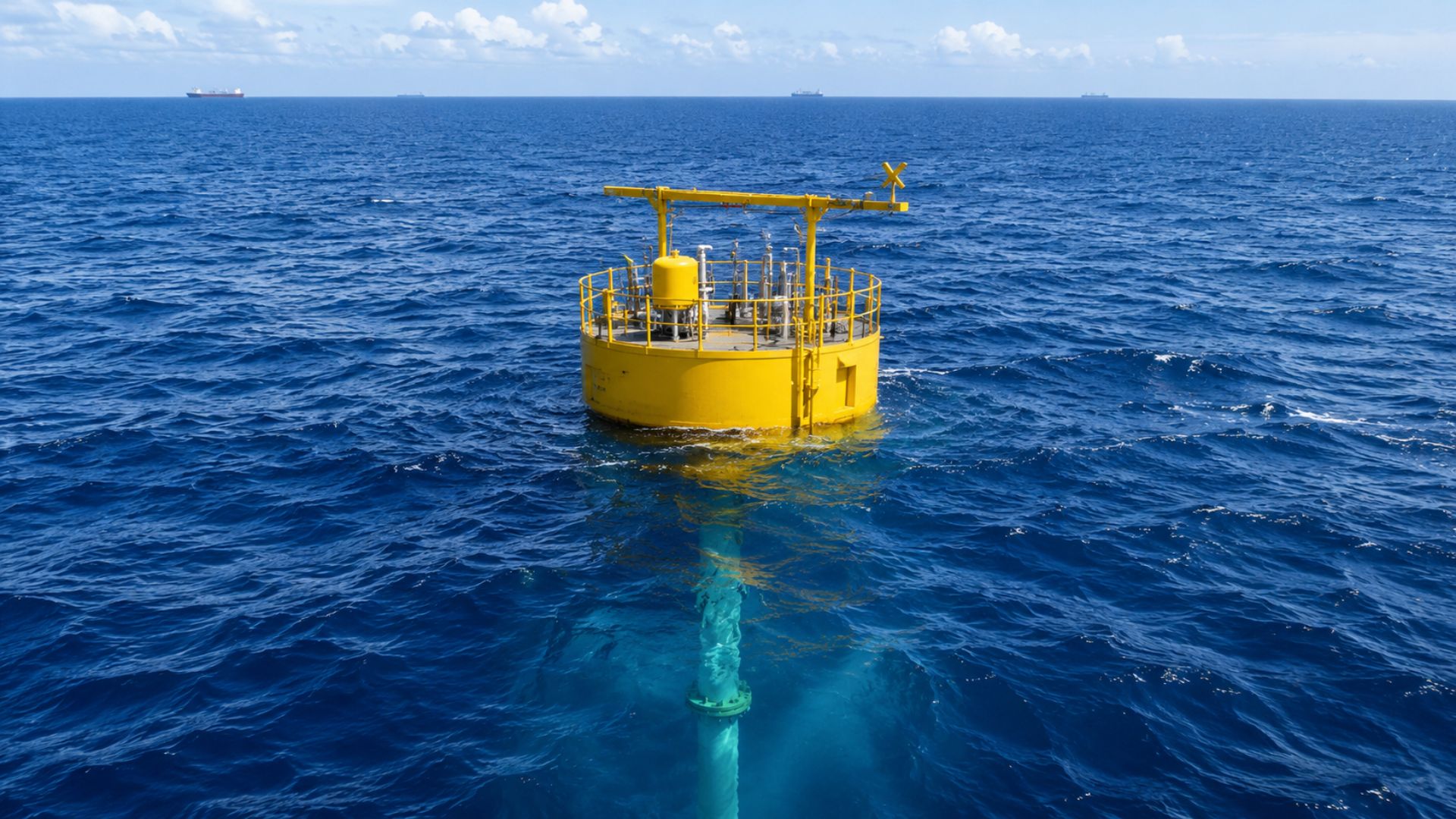
A British company has installed in the middle of the ocean the world’s first floating platform that generates electricity 24 hours a day from the temperature difference between the surface and the depths of the Atlantic, without relying on wind or sun.

Recent Studies Show That, In Many Contexts, Tap Water Is Subjected To Stricter Legal Standards Than Bottled Water, Especially In Developed Countries. These Data Have Expanded The Debate On The Real Sanitary Advantage Of Consuming Bottled Water.
Scientific Evidence And Detection Of Contamination In Bottled Water
A Study Published In 2025 Suggested That Bottled Water May Not Be As Safe As Many Consumers Assume. Tests Conducted On Water Sold In Reusable Gallons And Plastic Bottles Found Elevated Levels Of Bacterial Contamination.
These Results Reinforce A Growing Set Of Research Indicating That, In Various Regions, Tap Water Is Not Only Safe But Also Generally More Rigorously Monitored. In Developed Countries, Public Supply Undergoes Daily Testing.
Tap Water Is Regularly Analyzed For Bacteria, Heavy Metals And Pesticides. In The United Kingdom, Results Are Published By The Drinking Water Inspectorate. In The United States, Suppliers Follow The National Primary Drinking Water Regulations, Supervised By The Environmental Protection Agency.
In The European Union, Quality Is Governed By The EU Drinking Water Directive. In Contrast, Bottled Water Is Treated As A Packaged Food Product, With Less Frequent Testing And No Obligation To Provide Detailed Quality Results.
Microplastics, Chemical Residues And Associated Risks Of Consumption
Research Has Identified Various Contaminants In Bottled Water, Including Microplastics, Chemical Residues And Bacteria. A 2024 Study Detected Tens Of Thousands Of Plastic Particles Per Liter In Some Marketed Products.
Other Analyses Indicate That Bottled Water Frequently Exhibits Higher Concentrations Of Microplastics Than Tap Water. These Materials Have Been Associated, In Research, With Inflammation, Hormonal Dysfunction And Particle Accumulation In Human Organs.
Plastic Bottles May Also Release Chemicals Such As Antimony, Phthalates And Bisphenol Analogues. Antimony Is Used As A Catalyst In The Production Of PET Bottles, The Most Common Plastic In Disposable Beverages.
Phthalates Are Plasticizers That Provide Flexibility To The Material. Bisphenol Analogues, Such As BPS And BPF, Are Chemically Related Compounds To BPA, Used To Harden Plastics And Coat Food And Beverage Cans.
These Substances Can Migrate Into The Water, Especially When Bottles Are Exposed To Heat, Such As In Cars, Delivery Vans Or Under Direct Sunlight. Researchers Express Concern Because Some Of These Compounds May Act As Endocrine Disruptors.
High Exposure To Certain Phthalates And Bisphenols Has Been Associated With Effects On Reproductive Health, Metabolism And Development. Although The Levels Found In Bottled Water Are Generally Low, The Long-Term Risks Are Still Not Clearly Defined.
Bottled Water, Microorganisms And Nutritional Differences
Bottled Water Is Not Sterile. After Opening, Microorganisms Can Multiply Rapidly. A Partially Consumed Bottle Left In A Hot Car Can Become A Favorable Environment For Microbial Growth.
The Reuse Of Disposable Bottles Introduces Bacteria From Saliva And The External Environment. This Factor Increases The Risk Of Contamination, Especially When Packagings Are Not Designed For Multiple Uses.
Tap Water, In Turn, Generally Contains Beneficial Minerals, Widely Documented In Public Health Research. In Some Countries, Such As The United Kingdom, Fluoride Is Added To The Supply To Prevent Dental Cavities.
The Mineral Composition Of Bottled Water Varies Considerably. Studies Indicate That Children Who Consume This Type Of Water More Frequently Have Higher Rates Of Dental Cavities, Possibly Due To The Absence Of Fluoride.
Environmental Impacts And Pressure On Water Resources
The Global Consumption Of Bottled Water Has Reached High Levels. Estimates Indicate That Approximately One Million Plastic Bottles Are Bought Every Minute, Generating Significant Environmental Impacts.
The Danish Water Technology Company Aquaporin Estimates That Producing One Liter Of Bottled Water Can Require Up To Two Thousand Times More Energy Than Providing One Liter Of Tap Water.
The Carbon Footprint Is Also Higher. On Average, About Eighty Grams Of Carbon Dioxide Are Emitted Per Liter, Considering Bottling, Transportation And Cooling. This Environmental Cost Intensifies The Discussion On Sustainability.
The Debate On Bottled Water Is Linked To Broader Pressures On The Global Water Supply. Climate Change, Accelerated Urbanization, Industrial Pollution And Population Growth Overload Available Resources.
UNESCO Warns That More Than Two Billion People Already Live In Regions With High Water Stress, Increasing The Urgency For Sustainable And Safe Solutions.
Technical Alternatives And The Limited Role Of Bottled Water
To Reduce Dependence On Bottled Water, Researchers Are Developing Decentralized Drinking Water Production Systems. One Example Is Solar2Water, A Portable Device Powered By Solar Energy That Generates Water Directly From The Air.
The System Produces Water At The Point Of Use, Dispensating Long Plumbing Networks Or Large Treatment Plants. This Approach Reduces The Use Of Disposable Plastics And Alleviates Pressure On Already Overloaded Municipal Systems.
With Water Infrastructure Under Growing Pressure, Decentralized Solutions Can Complement Existing Networks, Strengthen Resilience Against Climate Shocks And Provide Alternatives Where Trust In Tap Water Has Been Undermined.
Bottled Water Remains Essential In Emergencies Or When The Public Supply Is Truly Unsafe For Consumption. However, In Most Developed Countries, It Is Neither Safer Nor Cleaner Than Tap Water.
As Climate Change And Pollution Affect Access To Potable Water, Understanding The Real Differences Between Bottled Water And Tap Water Becomes Even More Relevant For Informed Consumption Decisions And Public Policies.
Muhammad Wakil Shahzad, Professor And Head Of The Department Of Advanced Energy And Sustainability, Faculty Of Mechanical Engineering, Northumbria University







-

1 person reacted to this.