






 Portuguese
  Spanish


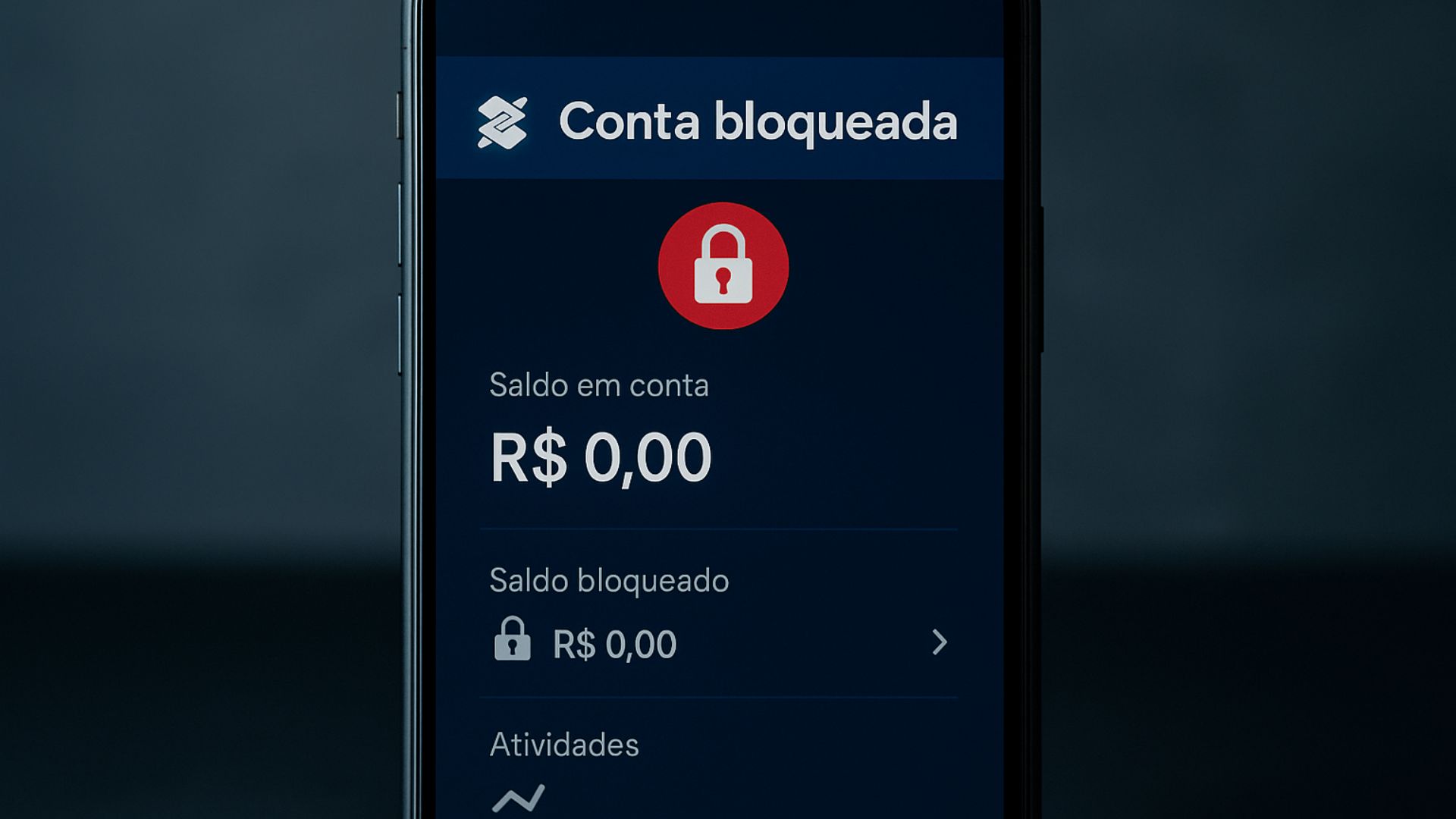


Resident of Natal Had His Account Blocked for Over 100 Days Due to Incorrect Tax and Garbage Fee Charges. Court Recognized the City’s Error and Set Compensation for Moral Damages, Highlighting the Objective Responsibility of the Public Power.
A resident of Natal obtained recognition in court that he was erroneously charged for property tax and garbage fee for properties that did not belong to him and, therefore, will be entitled to compensation of R$ 3,000.
The decision is from Judge João Eduardo Ribeiro, from the 4th Public Treasury Court of Natal, and takes into account that the plaintiff’s bank account remained blocked for over 100 days due to a tax execution filed by the Municipality of Natal.
Decision Recognizes the City’s Error and Moral Damages
Upon analyzing the case, the magistrate concluded that there was unjustified entry in active debt and the filing of a tax execution against someone who had no connection with the debts.
-
To erect the “Baleia” building on the richest avenue in Brazil, he bought 35 houses, paying with trips to Disney, a truck, and even an apartment, waited over 20 years, and today the complex is valued at R$ 2.5 billion.

-
The land belonged to her great-great-grandfather and was worth R$ 25 per square meter during the pandemic; the couple sold 250,000 m² for the nearly R$ 30 billion project that is transforming the “neighbor of Jericoacoara,” and today a house in the region goes for R$ 4.2 million.

-
Labor shortage reaches the truck drivers’ area: Brazil is already facing a deficit of 120,000 drivers, 65.1% of transport companies feel the impacts, and Mercedes-Benz strengthens training in the face of the new generation of technological trucks.
-
An important sector in Brazil is suffering from a labor shortage, requiring the qualification of 14 million workers by 2027, leading companies to invest R$ 5 million to train professionals and address the technical deficit.




As a consequence, there was a judicial blocking of funds used for basic expenses.
According to the ruling, this set of facts constitutes moral damage, in addition to demonstrating objective responsibility of the public entity.
The judge noted that the plaintiff’s name was kept in active debt for over three years, in addition to funds being blocked for more than 100 days.
According to the understanding of the decision, the circumstances surpass what could be classified as mere inconvenience.
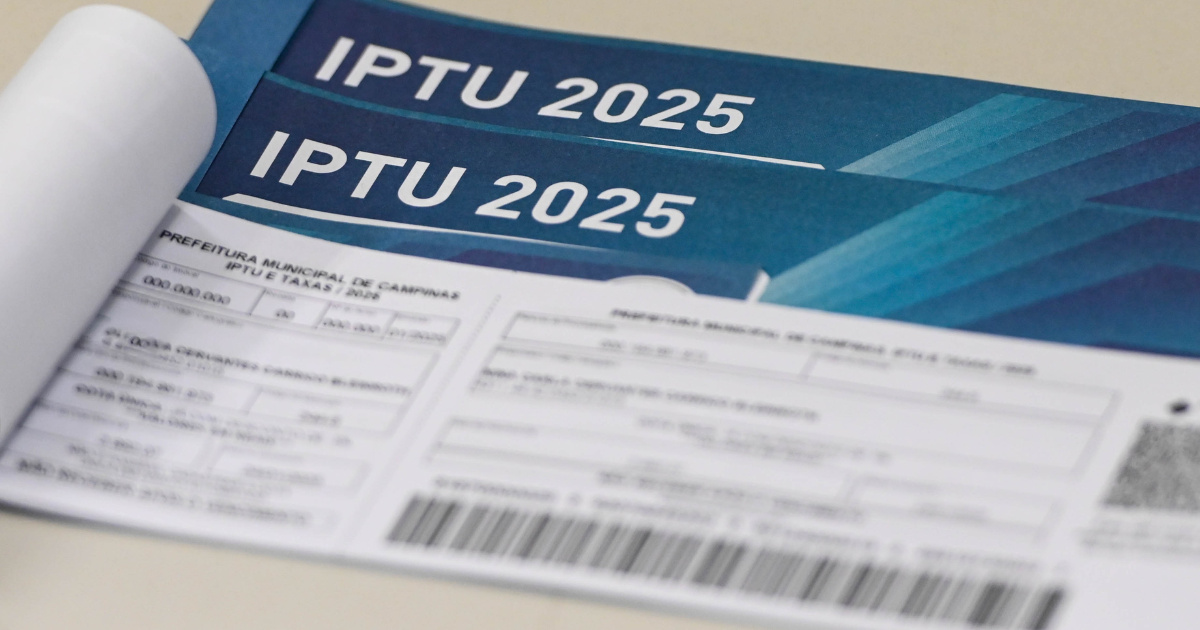
Blocking Started After Incorrect Tax Execution
The case began when the Municipality of Natal filed a tax execution to collect property tax and garbage fee related to properties in the Cidade Nova neighborhood, in the West Zone of the capital of Rio Grande do Norte.
The plaintiff reported that he was surprised to find a block of R$ 5,552.44 in his bank account, even though he was not the owner of the mentioned properties and had no connection with the tax obligations.
Documents were presented in the records that, according to the ruling, demonstrated the passive illegitimacy of the plaintiff to respond for the taxes.
Based on this evidence, the judge recognized that there was an error in identifying the responsible party for the debt.
Municipality of Natal States That It Has Not Yet Been Notified
When contacted, the Municipality of Natal stated that it has not yet been notified of the decision, which it considers necessary to assess the merits of the ruling and to respond officially.
In the records, the municipality’s defense argued that there was no moral damage, claiming that the entry in active debt, by itself, does not give rise to a right to compensation.
It also highlighted that the plaintiff’s name was removed from active debt after proving that he was not the debtor, claiming that the inconveniences amounted to mere administrative mishaps.
This argument was not accepted by the court.
The ruling stated that the retention of amounts for a long period and the permanence of the citizen’s name in active debt could not be treated as mere inconvenience, especially given the nature of the blocked resources.
Court Applied the Objective Responsibility of the Public Power
In the decision, the magistrate applied the principle of objective responsibility of the Public Administration.
According to this understanding, the State is liable for damages caused to individuals in the exercise of its functions, regardless of fault, provided that there is a harmful conduct, a causal nexus, and the damage.
For the judge, these elements were proven in the case.
The text of the decision also cites the understanding of the Appeals Chambers of the Court of Justice of Rio Grande do Norte, which recognize the right to compensation in cases of unjustified entry in active debt and irregular blocking of accounts.
Even after the removal of the plaintiff’s name from the registry, the judge considered that the prolonged blocking produced sufficient consequences to justify the compensation.
Compensation and Practical Effects of the Decision
The amount set at R$ 3,000 was considered appropriate to compensate for moral damages, observing the principles of proportionality and reasonableness.
The ruling also recognized the lack of connection between the plaintiff and the executed properties and determined that the amount be paid by the Municipality of Natal.
The understanding reaffirms that the taxpayer cannot be held responsible for taxes related to properties he does not own.
The tax execution must be directly linked to the taxpayer and the taxed property.
When this relationship is not proven, it is up to the public power to review the assessment and correct any errors.
Case Highlights the Need for Registration Verification
The process highlights the importance of correctly verifying the ownership of properties before promoting tax collections.
Registration errors, name similarities, or failures in updating records can lead to the unjustified inclusion of third parties in tax debts.
In similar situations, experts recommend submitting documents that prove the absence of a connection with the property — such as registration certificates or contracts — and seeking administrative or judicial recourse for correction.
The decision reinforces that the blocking of funds due to tax errors can lead to consequences recognized by the courts.

Municipality May Appeal After Being Notified
The Municipality of Natal emphasized that it has not yet been formally informed of the complete content of the ruling.
In its defense, it reiterated that the subsequent removal of the plaintiff’s name from active debt would have resolved the issue, a thesis that was not accepted.
Any appeals will depend on the notification of the parties and the regular procedural transit.
The judicial decision established that the charge resulted from an error in identifying the taxpayer, which led to the unlawful blocking of the bank account.
Based on this understanding, the right to compensation for moral damages was recognized.
Decision Reinforces Protection for the Taxpayer
The judgment affects only the parties involved but adds to other decisions addressing errors in tax executions and the responsibility of the public power for damages to citizens.
Similar cases have led the courts to evaluate the duration of the blocking, the time of registration in active debt, and the proof of illegitimacy of the taxpayer to define the appropriate indemnification.
In the face of an unjustified blocking, what should be the citizen’s first step to safeguard their rights: seek an administrative solution or go directly to court?





I loved as much as you will receive carried out right here The sketch is attractive your authored material stylish nonetheless you command get got an impatience over that you wish be delivering the following unwell unquestionably come more formerly again since exactly the same nearly a lot often inside case you shield this hike