






 Portuguese
  Spanish


Although modern and practical, a common kitchen appliance may be the biggest responsible for the increase in your electric bill, surpassing refrigerators and ovens — and many people still have not realized how much it consumes.
In Brazilian daily life, many do not imagine that one of the most used appliances in the kitchen can be the silent villain of the electric bill.
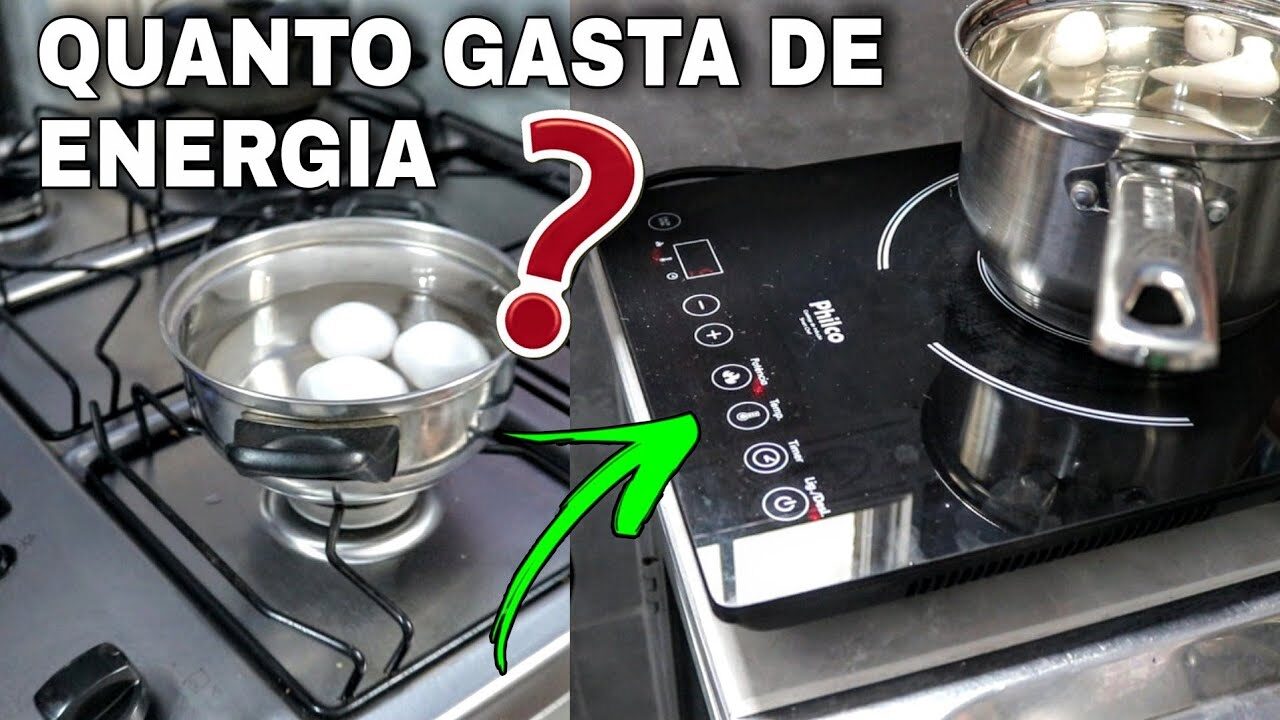
The induction stove, often promoted as a modern and efficient option, consumes more electricity than the refrigerator and oven combined, according to a recent study adapted to the Brazilian context.
According to the survey, this type of stove can consume, on average, 748 kWh per year, a value much higher than the approximately 270 kWh annually consumed by a common refrigerator.
-
18-Year-Old Student Designs Modular Microhouse from Fiberglass and PET to Combat Homelessness in Brazil, Plans to Live in Prototype for a Year to Demonstrate Quick Assembly

-
Toll Fees in São Paulo’s Countryside Drop by Up to 50% Starting Today

-
The Frenchman Who Brought the World Cup to Life: Overcoming Resistance and Crossing the Atlantic with the Trophy to Create Football’s Biggest Tournament
-
Archaeologists Reexamine 4,500-Year-Old Tombs in Ancient Mesopotamia, Suggesting Some Early Kings May Have Been Powerful Women


Given the continuous increase in energy tariffs in Brazil, understanding the operation and usage habits of the induction stove can make a significant difference in the family budget.
Why Does The Induction Stove Have Such A High Consumption?
The answer lies in the technology used for cooking.
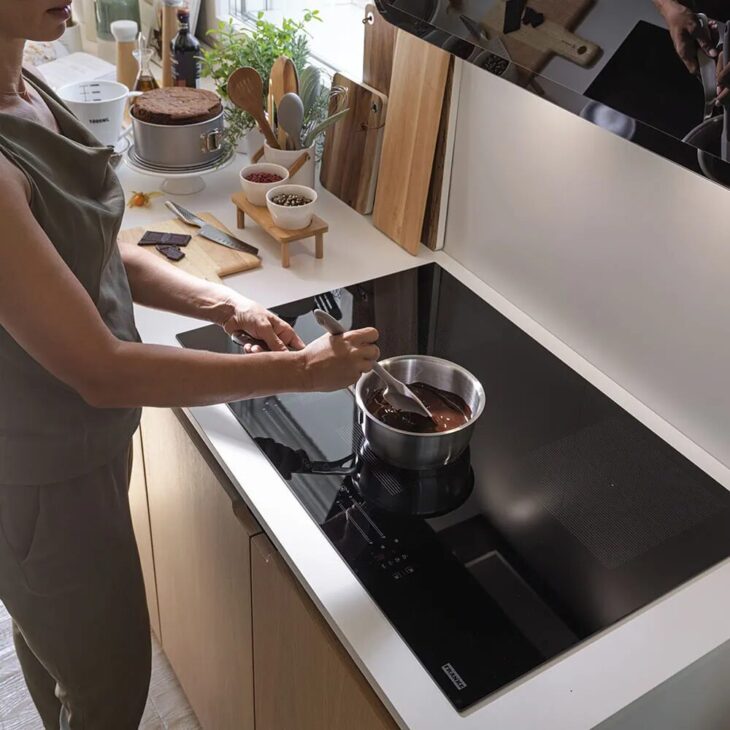
The induction stove heats food through magnetic fields that generate heat directly in the pot, eliminating the need for flames or electric coils.
Although this method is quick and effective for preparing food, it demands a large electric power, which explains the high consumption.
Additionally, constant use and lack of attention to power regulation further increase consumption.
In Brazil, where the climate is hot for most of the year, the consumption of powerful appliances tends to strongly impact the electricity bill, especially in regions with higher tariffs, such as the Southeast and South.
Experts recommend paying attention to simple details, such as adjusting the temperature to lower levels when maximum heat is not necessary and using the burner that corresponds to the size of the pot.
These small actions can represent significant savings in the long run.
How To Save Energy In The Kitchen Without Losing Practicality?
Controlling energy expenditure in the kitchen involves both choosing appliances and daily habits.
For the induction stove, it is best to avoid leaving it on for unnecessary periods and take advantage of the final minutes of cooking to reduce power.
Another valuable tip is to use complementary appliances.
Microwaves and pressure cookers, for example, can be more economical alternatives in certain recipes, consuming less energy and speeding up preparation.
In Brazil, the pressure cooker is already traditionally used and can be a great ally for those looking to reduce costs and time.
In the refrigerator, controlling the temperature is essential.
Keeping the appliance between 3°C and 5°C for refrigeration and -15°C for the freezer avoids waste.
It is also important not to open the door frequently and to ensure proper sealing of the gaskets.
When buying new appliances, looking for models with Procel A seal is a smart investment.
According to data from INMETRO, these appliances have energy efficiency that can reduce consumption by up to 30% compared to less efficient models.
The Impact Of Energy Tariffs On Household Bills
In recent years, electricity tariffs in Brazil have undergone significant adjustments, directly influencing the cost of maintaining an equipped home.
According to the National Electric Energy Agency (ANEEL), the average residential tariff increased by about 25% between 2020 and 2024, reflecting climatic conditions, generation and distribution costs.
This scenario reinforces the importance of knowing the actual consumption of appliances and adopting conscious practices.
The induction stove, despite its advanced technology, can raise the monthly electric bill if used improperly or without planning.
Therefore, consumers are increasingly seeking information to balance comfort, technology, and economy.
More Efficient Technologies And The Future Of The Electric Kitchen
Technological advancement has brought innovations to the kitchen, but the challenge is to align practicality and sustainability.
New models of induction stoves are being developed to consume less energy, with more precise regulation systems and smart panels that adjust power according to the type of pot and food.
Moreover, the popularization of appliances with IoT (Internet of Things) connectivity allows real-time monitoring of consumption via smartphone, facilitating control and avoiding waste.
According to energy efficiency experts, the future of the kitchen lies in a combination of technology, user awareness, and public policies that encourage the replacement of old appliances with more economical models.
Did You Know That It Is Possible To Reduce Up To 30% Of The Energy Consumed Just By Adjusting The Way You Cook?
Yes, simple changes in daily life, such as using lids on pots to speed up cooking and taking advantage of the residual heat from the stove, can make a big difference.
In Brazilian kitchens, the use of traditional techniques, such as cooking with a pressure cooker, gains new value when combined with energy awareness.
Additionally, it is essential to plan meal preparation to avoid turning on appliances during peak hours, when energy is more expensive in some regions of the country.


Is It Worth Investing In Efficient Appliances?
Despite the higher initial cost, buying appliances with better energy ratings is an investment that pays off in a few months with reduced electricity bills.
The Procel A seal ensures that the product consumes less energy to perform the same function.
In the Brazilian context, where tariffs are constantly rising, this choice can represent significant annual savings and contribute to environmental preservation by decreasing the demand on generating plants.
With so many details about the consumption of kitchen appliances, what change do you consider most important to save energy in your daily life?


Puxa, o cara que fez essa matéria, merece o NOBEL. afinal, quem poderia imaginar isso??? Só falta ele descobrir que um ebulidor, gasta mais que o gás e que um carro funcionando gasta mais combustivel que um desligado.