






 Portuguese
  Spanish
  4 min of reading
  0 comments


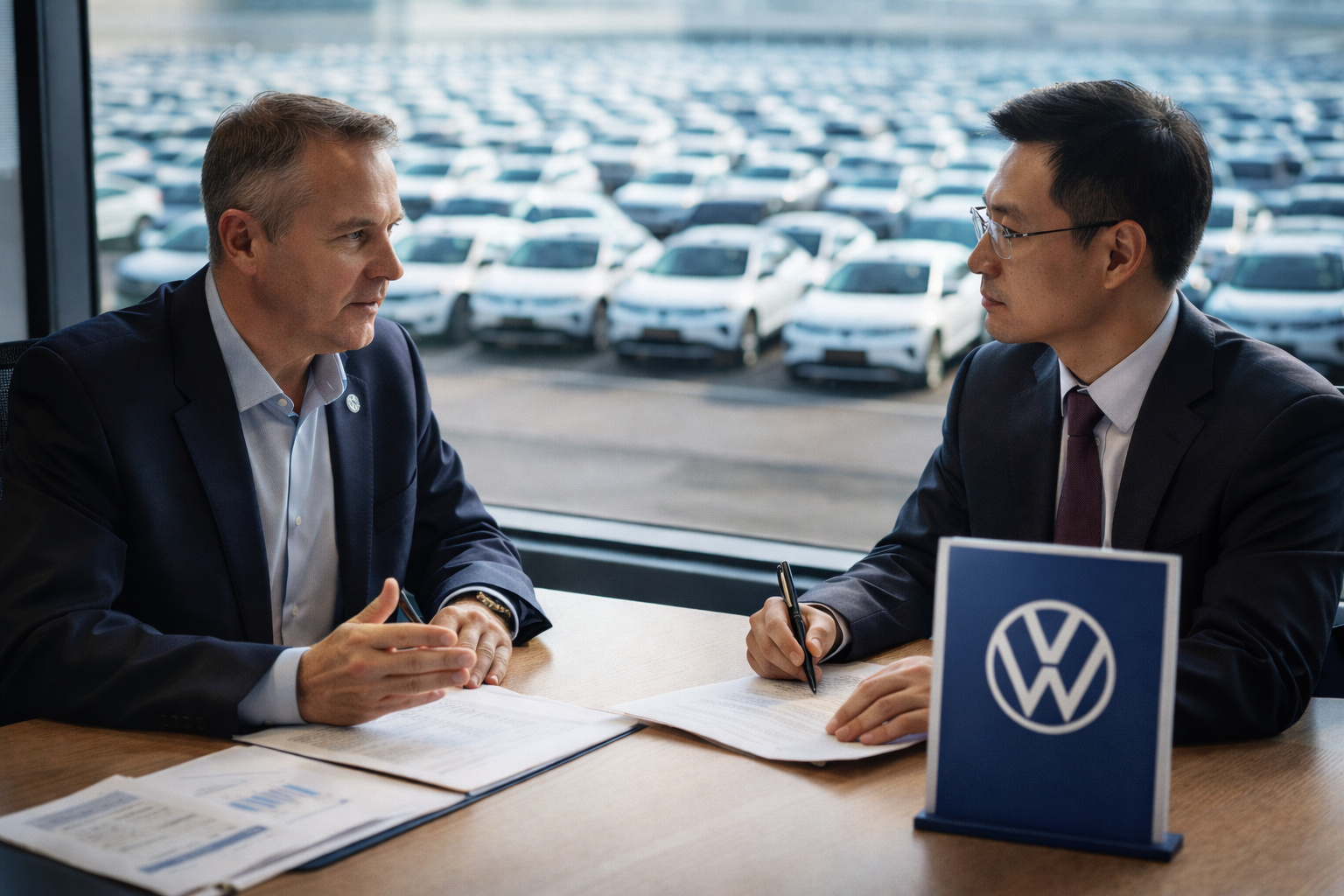
Volkswagen Executives Indicate That Electric Vehicles Should Arrive Imported From China, While Regional Production In Latin America Should Focus On Hybrid Models
Volkswagen is considering importing electric cars from China to Brazil and other Latin American countries, while preparing a gradual electrification strategy for the region.
The information was revealed by Motor1 Brasil in 2026, following interviews with executives during the Volkswagen Road Show held in Peru.
According to Alexander Seitz, Chairman of Volkswagen for Latin America, the local manufacturing of fully electric battery vehicles still does not have sufficient industrial scale in the region.
-
Uber Faces Shareholder Scrutiny as Board Accused of Ignoring Safety, Compliance, and Harassment Warnings Amid Over 3,500 U.S. Lawsuits

-
Ferrari’s First Electric Car Divides Fans, Priced at $630,000, Amid Concerns Over Limited Editions; Brand Clarifies It’s Not Just for Future Perks
-
BYD Dolphin Mini: The Electric Car That Defies Depreciation, Losing Only 3.58% in a Year and Becoming the Best-Selling Retail Model Under $22,000

-
Electric Car JAC E-JS4 Loses $19,000 in Value in One Year, Leading Record Depreciation of Used Cars in Brazil Due to Expensive Battery and New Models


Thus, according to the executive, electric cars should arrive imported from markets where there is already large-scale production, mainly from China.
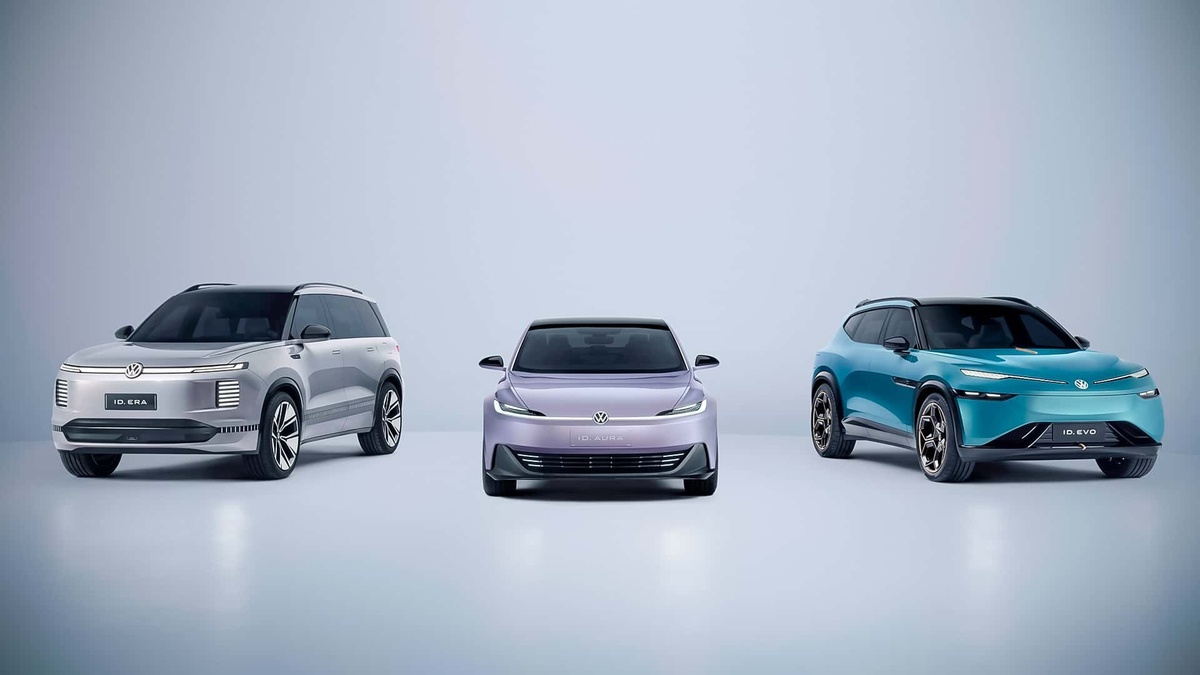
Industrial Challenges Hinder Local Production of Electric Cars
The discussion on regional production of electric vehicles gained prominence during the Volkswagen event held in Peru.
During the conversation with reporters, Alexander Seitz explained that Latin America still does not have the industrial conditions to produce electric cars at scale.
According to the executive, fully electric vehicles heavily depend on batteries, which requires a complex and substantial industrial chain.
Therefore, as Seitz stated at the event, the region still does not have the production scale to localize the manufacturing of these vehicles.
During the statement to reporters, the executive was emphatic in commenting on the subject.
“When we talk about a battery electric vehicle that depends 100% on the battery, no one has the scale in the region to localize.”
In addition, the chairman of Volkswagen added:
“Anyone who claims they do is lying; they are just making a fuss.”
Thus, the automaker understands that the electrification of Latin America should progress gradually, respecting the current limitations of the regional industry.
China Takes On A Strategic Role In Volkswagen’s Electrification
Meanwhile, China is emerging as one of the pillars of Volkswagen’s technological strategy for Latin America.
This is because the country houses some of the group’s most advanced operations in the development of electrified vehicles and new propulsion technologies.
According to Alexander Seitz, cooperation with Chinese partners is already part of the company’s strategic planning.
This collaboration mainly involves the development of hybrid and plug-in hybrid technologies.
In addition, part of this joint work includes important technical components, such as:
• electronic systems
• battery modules
• energy management systems
According to the executive, these partnerships should help to increase scale and reduce costs, especially in markets where electrification still faces obstacles.
During the meeting with reporters, Seitz explained that the goal is to achieve economies of scale with hybrid technologies.
“We will work together on hybrid and plug-in hybrid technology to achieve economies of scale.”
Regional Production Should Focus On Hybrid Models
As part of this strategy, hybrid and plug-in hybrid vehicles should have part of their production located in Latin America.
Thus, some technological components may be produced or supplied by China.
These mainly include:
• electronic modules
• battery management systems
Meanwhile, the final assembly of the vehicles may take place at factories located in the region itself.
This logic aims to adapt production to the industrial conditions of Latin America, while more complex technologies continue to be developed in hubs with larger scale.
Electric Cars Should Arrive Imported From China
On the other hand, when it comes to fully electric vehicles, the strategy will be different.
According to Alexander Seitz, the trend is that these models will arrive ready in Latin America, coming from markets with large-scale production.
In this context, China appears as the main source of these vehicles.
During the Volkswagen event in Peru, the executive summarized the strategy directly.
“This is the type of car we will import.”
Thus, Volkswagen’s electrification in the region will occur in stages.
First, with hybrids and plug-in hybrids produced or adapted locally.
Then, with the gradual arrival of fully electric imported vehicles, mainly from China.
In light of this scenario, Volkswagen’s strategy indicates that the transition to electric vehicles in Latin America will be gradual and aligned with regional industrial conditions.
However, given this global electrification strategy, will Latin America manage to accelerate the adoption of electric cars in the coming years, or will it continue to rely on hybrid vehicles for longer?





-

-

2 people reacted to this.